Technology news and discussion on TalkFuse.
Green trans Scottish politician sparks outrage by saying rape is ‘on a spectrum’ and rapists should not be ‘demonised’
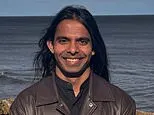
A Scottish Greens MSP, Q Manivannan, has provoked criticism after describing rape as existing "on a spectrum" and arguing that rapists should not be "demonised," during a podcast conversation recorded in February 2025 that has recently resurfaced online. Manivannan, who is trans non-binary and elected to represent Edinburgh and Lothian East, also dismissed the notion of "monster rapists" as a myth, prompting accusations that a sitting politician is minimising a serious crime. The comments have drawn condemnation from members of the public and rival politicians, who argue the remarks pose a risk to victims and survivors of sexual violence.
In the podcast, recorded with Dr Sindhu Rajasekaran, Manivannan suggested rape covers a "spectrum" of acts of equal severity and questioned the stereotype of the "big burly man" attacker, while discussing ideas around rehabilitation and abolitionism. Scottish Labour's Tracy Gilbert said she was "alarmed," insisting there is no spectrum of rape or of survivor suffering, and cited statistics showing nine in ten survivors knew their attacker, with half assaulted by a current or former partner. Manivannan, currently in Scotland on a student visa, must secure a graduate or global talent visa to serve a full five-year term at Holyrood.
In short
- Scottish Greens MSP Manivannan called rape "a spectrum," sparking backlash
- Said rapists shouldn't be "demonised"; called "monster rapist" idea a myth
- Labour's Tracy Gilbert called comments "alarming," citing survivor statistics
Steelman: both sides, in good faith
The strongest fair case each way — we don't pick a winner.
The case for
Advocates for restorative and transformative justice argue that holding offenders accountable whilst maintaining their humanity enables genuine change and prevents reoffending more effectively than purely punitive approaches. They observe that sexual violence exists on a continuum of coercion and circumstance, and that understanding this complexity is essential to prevention. They contend that moral clarity about harm and offender accountability are compatible with refusing to dehumanise even serious offenders, allowing space for meaningful rehabilitation where victims may wish it.
The case against
Critics argue that rape's distinctive trauma and the perpetrator-victim power imbalance demand unambiguous moral language and prioritisation of victim support. They maintain that describing rape as being on a spectrum risks normalising sexual violence and discouraging reporting. They contend that society's duty is to protect potential victims through strong deterrence and victim advocacy, and that focusing on offender dignity or rehabilitation prospects may undermine the legal and cultural clarity required to prevent rape and support survivors.
Explained simply
The Scottish Greens are a political party, and MSPs are elected members of the Scottish Parliament at Holyrood. Q Manivannan represents Edinburgh and Lothian East and is a trans non-binary politician.
Rape is a serious crime involving sexual activity without consent. Public discussion of sexual violence often includes questions about how offenders should be held accountable and whether rehabilitation can reduce further harm.
The debate also concerns how survivors’ experiences are recognised and how the public understands who may commit sexual violence. Tracy Gilbert is a Scottish Labour politician who has criticised Manivannan’s comments.