Business news and discussion on TalkFuse.
Greenpeace lays seabed boulders to deter trawling in North Sea protected zone
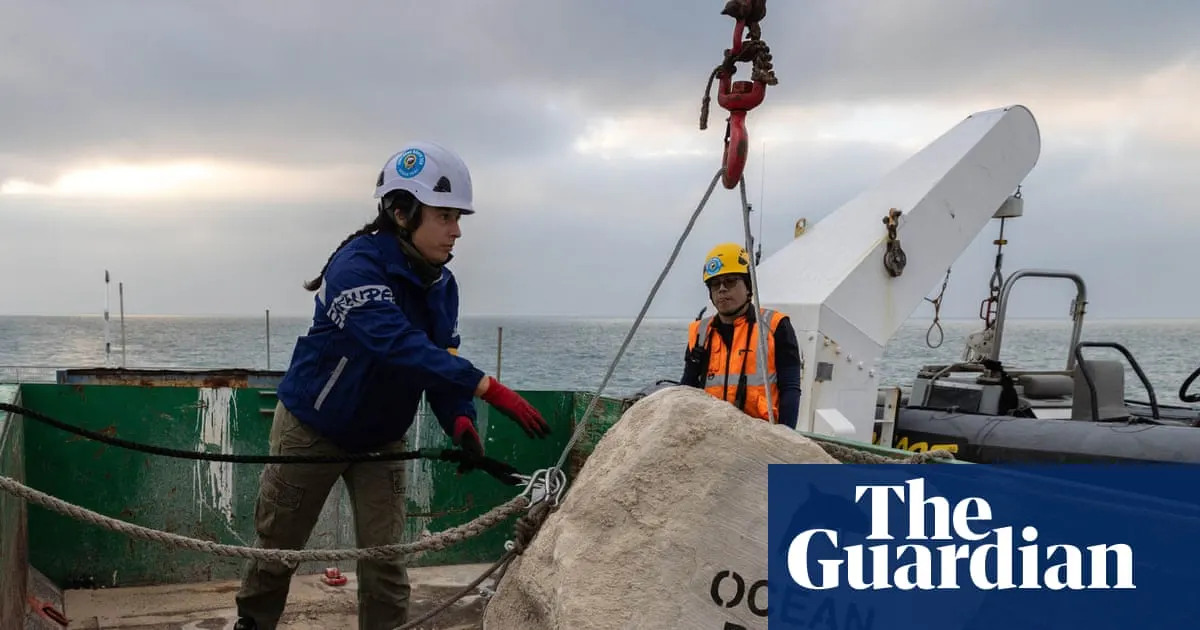
Greenpeace activists have placed boulders on the seabed in the Southern North Sea marine protected area, aiming to snag bottom trawling nets and deter industrial fishing. The action highlights a gap between the area’s protected status and the lack of fishing restrictions across most of it, despite its importance to harbour porpoises.
Greenpeace says the barrier closes 116 sq km to bottom trawling, and its ship will patrol the area in the coming days. Bottom trawlers recorded more than 37,200 fishing hours in the protected zone in 2025; across UK marine protected areas, trawlers and dredgers disturbed 55,600 sq km of seabed that year, according to Greenpeace analysis. The government has been contacted for comment.
In short
- Greenpeace placed boulders to deter bottom trawling in the North Sea.
- The barrier covers 116 sq km of a marine protected area.
- The site supports nearly 20% of the UK North Sea’s harbour porpoises.
Steelman: both sides, in good faith
The strongest fair case each way — we don't pick a winner.
The case for
Supporters can argue that protected status should provide meaningful protection in practice, especially where bottom trawling damages seabed habitats in an area important to harbour porpoises. With restrictions absent across much of the zone, Greenpeace’s action draws attention to the gap and may offer a temporary deterrent while pressing for stronger safeguards.
The case against
Critics can argue that placing boulders in a shared fishing ground is a unilateral intervention that may obstruct lawful fishing and create hazards for vessels or lost gear. Decisions about access and conservation should be made through accountable regulation, weighing ecological evidence against fishing livelihoods and the practical effects on the industry.
Explained simply
Marine protected areas are parts of the sea designated for nature conservation, but the rules on fishing can vary from one area to another. Bottom trawling involves dragging heavy nets along the seabed to catch fish, which can disturb seabed habitats.
The Southern North Sea protected area is important for harbour porpoises, small whales that live in the region. Greenpeace is an environmental campaign group, while industrial fishing vessels operate in the area; the balance between conservation and fishing depends on the restrictions set by the authorities.
The issue matters because a protected label does not necessarily prevent activities that affect wildlife or seabed habitats. It raises questions about how conservation aims are put into practice alongside fishing.
Read the full article at the source →
Originally published by The Guardian as “Greenpeace activists create ‘boulder barrier’ in North Sea to deter industrial fishing”.