Grocers issue warning over Mamdani’s taxpayer-backed stores: ‘We’re going to go after’ them
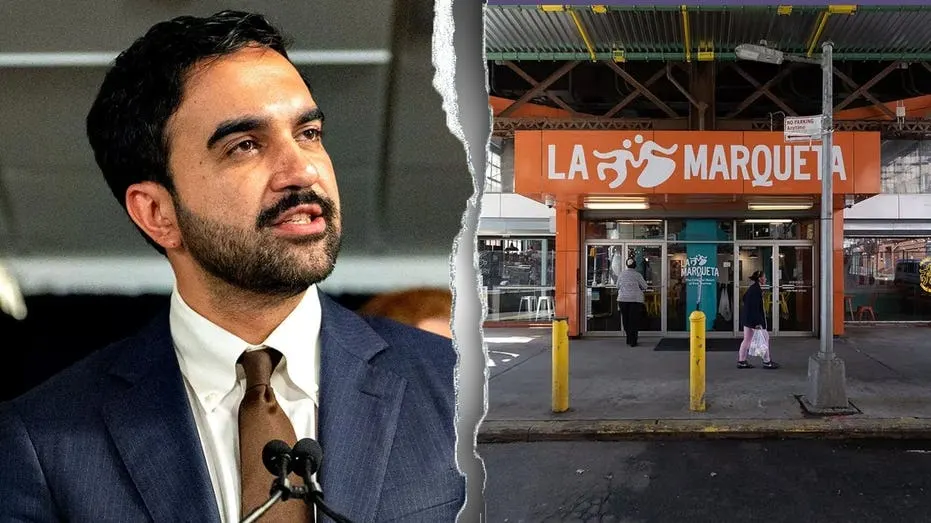
A coalition representing immigrant- and minority-owned grocers in New York City has threatened legal action against any private company that agrees to operate Mayor Zohran Mamdani's planned taxpayer-backed grocery stores. Frank Garcia, chairman of the Multicultural Business Coalition, said the group hopes no operator submits a proposal at all, extending a legal fight that began with two lawsuits filed against the city on Monday. The dispute centres on fears that publicly subsidised stores would unfairly undercut small businesses already operating on thin margins.
The city's Economic Development Corporation opened a request for proposals in July seeking up to five operators, with bids due by 16 October and the five stores, one per borough, expected to open by 2029. Selected operators would run city-backed premises while selling a core basket of groceries, including produce, meat and staples, at 30% below typical retail prices. Mamdani has defended the plan's legality and argued it would not harm bodegas, noting the stores would not sell cigarettes, alcohol, lottery tickets or hot food, while also pointing to regulatory reforms aimed at helping small grocers cut costs. Garcia said his coalition sought a meeting with the mayor beforehand but was rebuffed, alleging he instead met only with Dominican business owners, leaving other minority groups excluded.
- Grocer coalition threatens lawsuits against operators of NYC's planned subsidised stores.
- City's RFP for up to five stores closes 16 October; opening by 2029.
- Mamdani defends plan's legality, says it won't undercut bodegas' core sales.
New here? Start with this
Mayor Zohran Mamdani’s plan would use public funding to establish up to five grocery shops, one in each New York borough. Private operators would run them from city-backed premises and offer a set of everyday foods at prices intended to be about 30% below typical retail levels.
The Multicultural Business Coalition represents grocers, including immigrant- and minority-owned businesses. Its members say publicly supported shops could compete unfairly with small independent stores, which often operate on narrow profit margins; Mamdani says the proposed shops would not sell some items that bodegas commonly rely on, such as cigarettes and hot food.
The dispute raises questions about how city spending should support access to affordable food while affecting existing businesses. It also concerns how the city consults business groups whose members could be affected by its policies.
Both sides, in good faith
The strongest fair case each way — we don't pick a winner.
The case for
Food access is a fundamental public health issue, and many New York neighbourhoods lack adequate grocery options or face unaffordable prices that contribute to poor health outcomes. Subsidised stores address a genuine market failure by ensuring all residents can afford nutritious food, particularly in underserved areas. The plan's careful exclusions—no alcohol, cigarettes, lottery tickets or hot food—and regulatory support for small grocers demonstrate effort to minimise competitive harm. Public investment in food infrastructure is a legitimate policy tool, comparable to schools or libraries.
The case against
Small immigrant and minority-owned grocers already operate on razor-thin margins whilst serving their communities with limited resources and deep local connections. A 30 per cent price undercut from a government-backed competitor creates impossible competition conditions that could force closures and harm immigrant entrepreneurs who have built these essential community institutions. Rather than creating competing stores, public resources should strengthen existing small businesses through targeted support and regulatory relief. The lack of genuine consultation with affected minority business owners compounds the injustice, suggesting policymakers prioritised abstract goals over the wellbeing of vulnerable business owners the plan could harm.