Entertainment news and discussion on TalkFuse.
GTA 6’s devotion to life simulation is taking retro gaming sickos back to the Dreamcast era
Developed over time first seen 22 hours ago
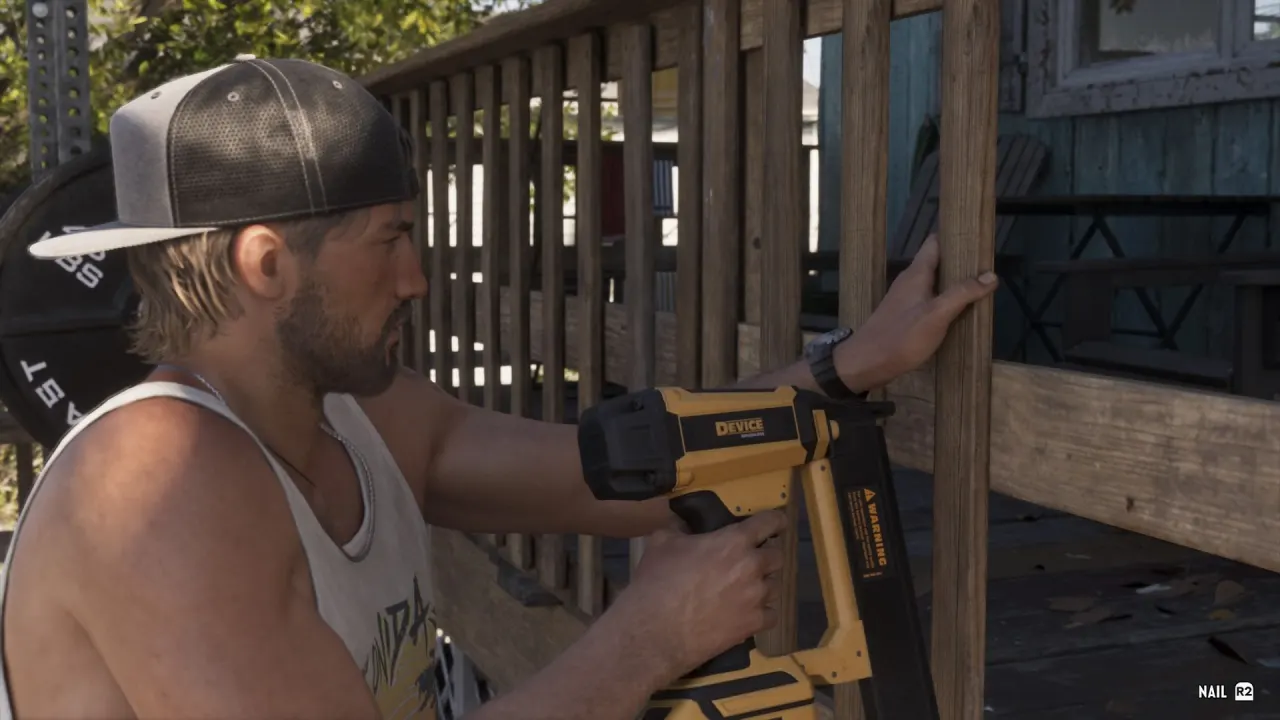
GTA 6’s early hours have prompted comparisons with Shenmue, as players find themselves doing everyday activities such as home repairs, errands and exercise alongside the series’ familiar criminal action. The resemblance highlights Rockstar’s focus on simulating the routines and surroundings of its characters, an approach that recalls Shenmue’s ambitious portrayal of daily life.
Shenmue, released in 1999, reportedly cost $70 million to make, around $140 million in today’s money, but failed to recoup its costs and later gained a cult following. Rockstar has not disclosed GTA 6’s budget, though the article says it could be among the most expensive games made. Players’ comparisons include calling it “Florida Shenmue” and “the Shenmue of 2026”, while noting that GTA 6 gives everyday activities more tangible payoffs.
- Sources
- 2
- Outlets
- 1
- Left · Centre · Right
- 0 · 0 · 0
In short
- GTA 6’s routine activities have drawn comparisons with Shenmue.
- Shenmue reportedly cost $70 million in 1999.
- Players say GTA 6 brings its life-simulation ambition to modern scale.
How this story developed
- 20 hours ago GTA 6’s early hours have prompted comparisons with Shenmue, as players find themselves doing everyday activities such as home repairs, errands and exercise alongside the series’ familiar criminal action.
Full account
The opening hours of Grand Theft Auto 6 have prompted an unexpected comparison with Shenmue, Sega’s Dreamcast game from 1999. Although Rockstar’s new release allows players to cause the familiar mayhem of a GTA game, it also gives considerable attention to Jason and Lucia’s ordinary routines. Home repairs, errands, exercise, meals and conversations with other characters can occupy as much time as driving or crime.
That emphasis recalls Shenmue’s attempt to make everyday life part of an ambitious adventure. Its story follows Ryo Hazuki’s search for revenge, but players spend much of their time exploring a compact town, asking residents for information and taking part in mundane activities. The game was reported at the time to have cost around $70 million and did not recover its development costs, though it gained a devoted following. Rockstar has not disclosed GTA 6’s budget, so claims that it has set a new spending record remain unconfirmed.
Some players have taken to social media to describe GTA 6 as a modern successor to Shenmue. The comparison concerns the attention paid to routine interactions rather than a close match between the games’ stories or settings. GTA 6 offers a larger world and more opportunities for action, while Shenmue’s deliberate pace was central to its design. Whether GTA 6 sustains its interest in daily life beyond its opening hours is a separate question.
The second report captures a different part of the launch conversation. It focuses on Doja Cat’s public disappointment that her music does not appear in GTA 6, despite the range of artists heard on its radio stations. Her posts express frustration with Rockstar alongside affection for the game. They illustrate the attention being paid to details of the release, but provide no evidence about its life simulation or the Shenmue comparison.
Where outlets differ
From the full account, which is AI-written from the sources:
Source 1 concentrates on gameplay, development ambition and players’ comparisons with Shenmue. Source 2 covers GTA 6’s soundtrack and Doja Cat’s reaction to her absence from it; it does not address the Dreamcast comparison. The reports therefore emphasise different responses to the launch rather than conflicting accounts of the same feature.
Steelman: both sides, in good faith
The strongest fair case each way — we don't pick a winner.
The case for
Everyday routines can make a game world feel inhabited and give players a stronger connection to its characters, rather than serving only as scenery between action sequences. If those activities bring tangible rewards, they may also add meaningful choices and variety, building on Shenmue’s ambition with lessons from decades of game design.
The case against
A detailed simulation of ordinary life can slow the pace and burden players with chores that feel less compelling than the game’s central action. Shenmue’s costly commercial failure also illustrates the risk of investing heavily in this kind of detail, especially if the routines appeal to a narrower audience than the headline features.
Explained simply
Shenmue is a 1999 adventure game in which players follow martial artist Ryo Hazuki through a detailed version of a Japanese town. Alongside pursuing the story, they could explore, talk to residents and take part in ordinary routines. Its reported $70 million budget was exceptionally high for its time, and the game did not earn back its costs.
The game later developed a devoted following, in part because of its ambitious attempt to make a fictional place feel lived in. Grand Theft Auto, or GTA, is Rockstar’s open-world series, usually associated with crime stories and action. Comparisons with Shenmue point to a shared interest in everyday activities and detailed settings, as well as a contrast in how those activities fit into each game.