Guinea’s president dismisses 173 soldiers, including coup ally, for desertion
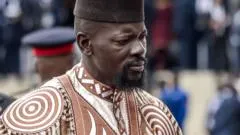
Guinea's President Mamadi Doumbouya has dismissed 173 soldiers for alleged desertion, including Colonel Michel Lamah, who took part in the 2021 coup that brought Doumbouya to power. The move is widely seen as an effort by the president to tighten his grip on the military and pre-empt any challenges to his authority, coming just months after he won a landslide election victory in December that cemented his transition from junta leader to civilian president.
The dismissals were announced in a decree read out on state television by presidential spokesman Gen Amara Camara, who gave no details of the alleged desertions. Col Lamah, a former member of Doumbouya's elite Special Forces Group, was pictured escorting deposed President Alpha Condé after troops stormed the presidential palace in September 2021. Since the coup, Guinea has seen media closures, banned protests and suspended political parties, with two major opposition groups excluded from last year's vote, in which Doumbouya secured 87% of the ballot.
- Guinea's president sacked 173 soldiers for alleged desertion
- Dismissed officer helped Doumbouya seize power in 2021 coup
- Move seen as consolidating control after December election win
New here? Start with this
Guinea is a country in West Africa. In September 2021, army officer Mamadi Doumbouya led a coup that removed President Alpha Condé; Doumbouya later became head of the military-led government.
The army has played a central role in Guinea’s politics, and Colonel Michel Lamah was among the soldiers involved in the coup. Doumbouya won a presidential election in December after a period of military rule, while restrictions on protests and political parties have shaped the political landscape.
The military’s relationship with the civilian government matters because it can affect who holds power and how stable the country is. Allegations of desertion concern whether soldiers have left their posts without authorisation, though the announcement did not give details of the claims.
Both sides, in good faith
The strongest fair case each way — we don't pick a winner.
The case for
The president is right to maintain military discipline by removing soldiers for desertion, a serious breach of military order. That the dismissed officers include a former coup ally demonstrates commitment to impartial standards and unified military command under civilian authority. Having won electoral legitimacy, the president is justified in ensuring the military remains subordinate to civilian government and operates under clear hierarchical principles.
The case against
The dismissal of a coup ally combined with other authoritarian actions—media closures, banned protests, and opposition exclusion from elections—reveals this as political consolidation rather than military discipline. The lack of detail regarding the alleged desertions and the suspicious timing, just months after a contested election where major opposition groups were barred, suggests the president is eliminating potential rivals and consolidating power through nominal military discipline.