Politics news and discussion on TalkFuse.
Haberman knocks Trump ‘bullying campaigns’
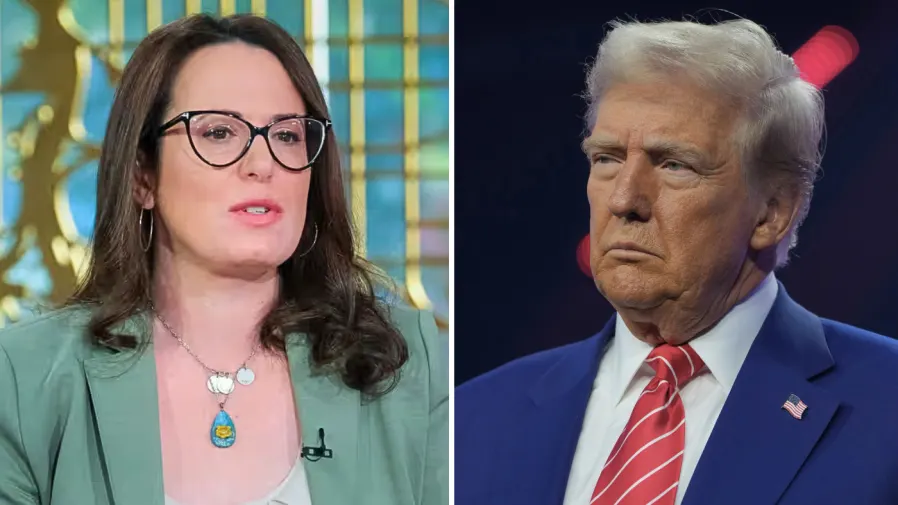
The New York Times criticised what it described as President Trump’s attempts to intimidate journalists, after he publicly attacked its reporters Maggie Haberman and Peter Baker. The paper said such pressure would not deter its reporting, framing the dispute as part of a broader concern about political attacks on the press.
Trump’s remarks appeared in a Truth Social post in which he criticised Haberman, misspelling her name, as well as Baker and his wife, New Yorker writer Susan Glasser. The Times said its reporters had covered both the current and previous administrations fairly, amid wider tensions over the paper’s reporting on Elon Musk and the Defence Department.
In short
- The Times condemned Trump’s attacks on its journalists.
- It said intimidation would not alter its reporting.
- Trump targeted Haberman, Baker and Susan Glasser.
Steelman: both sides, in good faith
The strongest fair case each way — we don't pick a winner.
The case for
Publicly targeting named reporters and their family members can be seen as an attempt to intimidate journalists and discourage scrutiny, with wider consequences for press freedom. The Times can reasonably argue that robust reporting on those in power is a public service and should continue without threats or pressure.
The case against
A president can reasonably argue that publicly challenging journalists is a form of political speech and accountability, particularly when he believes their coverage is unfair. Critics of the Times may also contend that its assurance of fair reporting does not settle disputes over its accuracy or impartiality, and that powerful media organisations should face forceful criticism.
Explained simply
President Trump has targeted specific New York Times journalists for public criticism on his Truth Social platform. The newspaper says this represents an attempt to intimidate its reporters and discourage their work. The Times has stated it will continue its reporting despite such pressure.
The dispute reflects ongoing tensions between Trump and major news organisations, particularly the New York Times, which has provided extensive coverage of both his current presidency and his earlier term in office. The publication's reporting on sensitive topics including Elon Musk's activities and Defence Department matters has heightened these political divisions.
Attacks on journalists and news organisations by political figures raise broader concerns about press freedom and the ability of media outlets to report independently. The New York Times has emphasised that political pressure should not influence editorial decisions or deter reporters from their work.