Entertainment news and discussion on TalkFuse.
“Had there been a more sensitive or more efficient producer, it could have been much better”: The album that inspired prog’s most English movement was made in America in four days
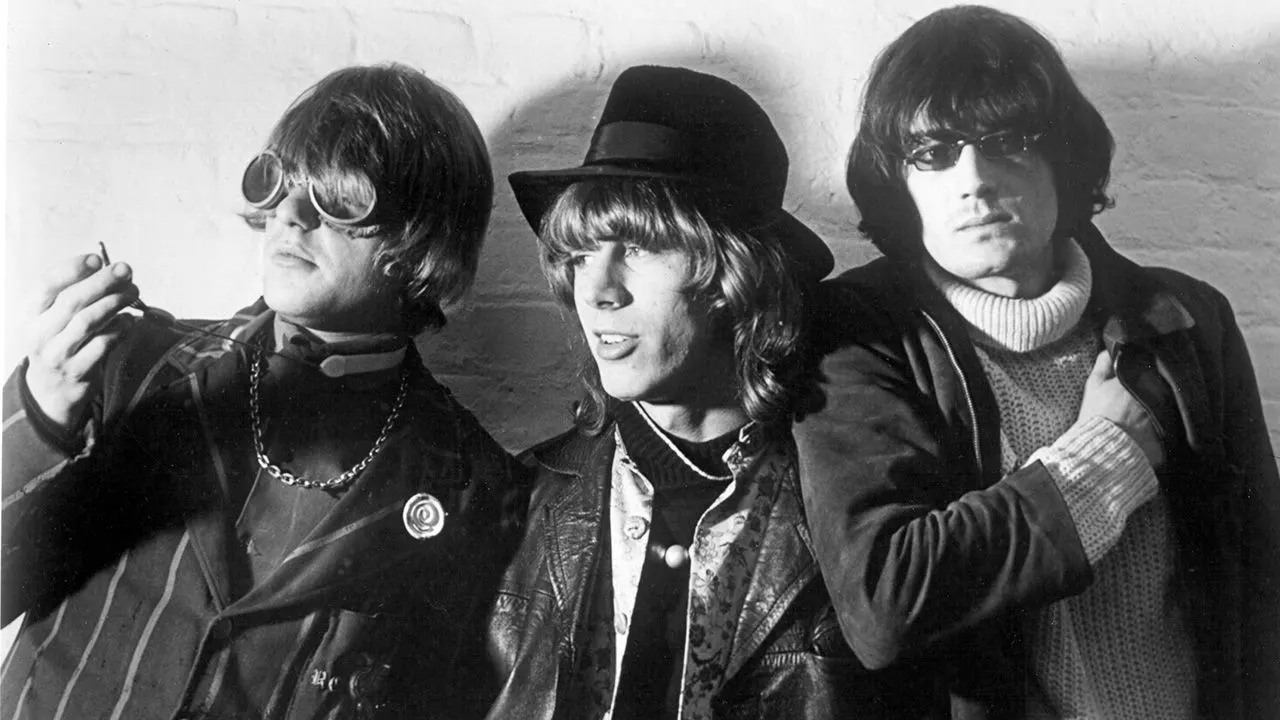
Soft Machine’s 1968 debut, The Soft Machine, fused psychedelic rock, free jazz and playful pop to help establish both progressive rock and the Canterbury Scene. Its importance lay in its unusually abrasive, experimental approach at a time when psychedelic music was common, making it feel more confrontational than the era’s typical peace-and-love sound.
Although the group’s members had already split by the time the record appeared, friends and family in London treated its imported release as a major event. The album was made in America in four days and opens with “Hope For Happiness”, combining Robert Wyatt’s raw vocals and drums, Mike Ratledge’s droning organ, Kevin Ayers’ bass, tape effects and dissonant passages. Its distinctive sleeve included a revolving pinwheel design, while listeners recalled being struck by music unlike anything they had previously heard.
In short
- Soft Machine’s debut helped shape prog and the Canterbury Scene.
- Recorded in America in just four days.
- Its sound mixed psychedelia, jazz, pop and harsh experimentation.
Explained simply
Soft Machine were a British band formed in the mid-1960s, with Robert Wyatt on drums and vocals, Mike Ratledge on keyboards and Kevin Ayers on bass. They were part of the loose group of musicians and artists known as the Canterbury Scene, named after the city where several of them had links.
Their first album mixed rock songs with improvisation, jazz influences and unusual sounds. It appeared during a period when psychedelic music was popular, but its harsher and less predictable style stood apart from much of the era’s gentler sound.