World news and discussion on TalkFuse.
Hammer us more, Andy! Two-thirds of Labour members think they’re taxed TOO LITTLE and want Burnham to boost Government’s spending
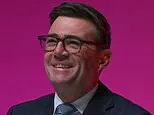
A YouGov poll found that 64 per cent of Labour members believe the Government taxes too little and spends too little on public services, while 9 per cent think it taxes and spends too much. The findings came before Andy Burnham’s conference speech, where he was expected to outline a proposed NHS-style social care system estimated to cost £18 billion a year, amid concern about how such spending might be funded.
When asked where spending could be cut, 32 per cent of Labour members named pensions, 25 per cent foreign aid and 23 per cent welfare benefits; 25 per cent said they would cut none of the listed areas. Pension cuts were more often favoured by members under 40 than older members. The wider public had different priorities: 43 per cent said the Government taxes and spends too much, and respondents were most likely to favour cuts to foreign aid and welfare.
In short
- Most Labour members say taxes and public spending are too low.
- Pensions were their most frequently selected area for cuts.
- Public opinion differs, with many favouring lower taxes and spending.
Steelman: both sides, in good faith
The strongest fair case each way — we don't pick a winner.
The case for
Public services including healthcare, education and social care require adequate funding to function effectively, and investment in these areas yields long-term benefits for productivity, health outcomes, and quality of life. Higher-tax, higher-spending models in comparable nations have delivered superior outcomes in key public services, whilst underinvestment creates persistent problems that ultimately cost more to address. The state has a responsibility to provide essential services at a standard that reflects a developed economy's capabilities.
The case against
Excessive taxation constrains economic dynamism and individual choice, potentially discouraging investment and talent, and government frequently delivers poor returns on spending despite good intentions. Citizens themselves, as evidenced by the 43 per cent of the public saying the Government taxes and spends too much, often prefer keeping more of their own income to the promise of improved public services. Spending priorities should be rigorously scrutinised and targeted rather than justified through blanket tax increases, and efficiency improvements should precede demands for higher funding.
Explained simply
Government decisions about taxation and spending on public services are a central political debate in Britain. There is genuine disagreement among voters about whether taxes are too high or too low, and whether the Government spends enough on services like the NHS, schools and social care. Different political groups often have differing priorities on how much taxation is appropriate and where money should be spent.
A recent survey compared the views of Labour Party members with those of the general public on these issues. The results showed a striking divide: the vast majority of Labour members believe the Government taxes and spends too little, whilst a large proportion of the general public believes the Government taxes and spends too much. The survey also explored which services people would cut if necessary, revealing different priorities between Labour members and the wider public.
These findings matter because they show a significant gap between the views of Labour's grassroots supporters and the voting public more broadly. When there is such a gap between party members and voters, it can create challenges for political parties in deciding what policies to pursue and how to attract support beyond their core membership. Understanding these differing priorities helps explain ongoing debates about government spending and taxation.
Americas Art Culture Government Politics World