World news and discussion on TalkFuse.
Haribo Kimchi review – Korean snack bar serves lessons in belonging
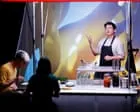
Jaha Koo's one-man show Haribo Kimchi, playing at the Edinburgh festival theatre studio, sees the performer set up a Korean street-food snack bar on stage, cooking dishes for two audience volunteers while exploring themes of displacement, memory and cultural identity. Koo, who left South Korea for Europe 15 years ago, uses food as a way of examining rootlessness and belonging, aided by animated projections of a singing snail and eel that echo his sense of having no fixed home; the show also touches on the racism he has experienced abroad.
Over the course of the performance Koo prepares a cucumber starter, a kimchi pancake, soup and a seagrass, mint and lime pudding for his volunteers. Amid mostly lighthearted moments, the show includes a darker recollection of his father, who after the 1980 Gwangju pro-democracy uprising could no longer bear the smell of fried chicken and retreated to the countryside. Produced by Koo for Campo in Ghent, the piece frames food, including Haribo sweets, as a source of comfort, community and identity for those far from home, and runs at the Edinburgh venue until 24 August.
In short
- Jaha Koo's solo show blends cooking and reflection on displacement and identity.
- He cooks Korean street food live for two audience volunteers each performance.
- Show touches on racism abroad and a painful family memory from 1980 Gwangju.
Explained simply
Kimchi is a traditional Korean dish made by fermenting vegetables, often cabbage, with seasoning. Food can carry memories of family and home, so it may take on added meaning for people who have moved far from where they grew up.
Jaha Koo is a South Korean performer who moved to Europe 15 years ago. In his theatre work, he uses cooking and animated animal characters to explore what it can feel like to live between cultures, including experiences of racism and uncertainty about where one belongs.
The show also refers to the 1980 Gwangju uprising, a pro-democracy movement in South Korea that was violently suppressed. Koo connects that history with a family memory, showing how political events can leave lasting marks on ordinary life.