Business news and discussion on TalkFuse.
Harsh winter in Europe could drive energy prices ‘even higher’, agency boss warns
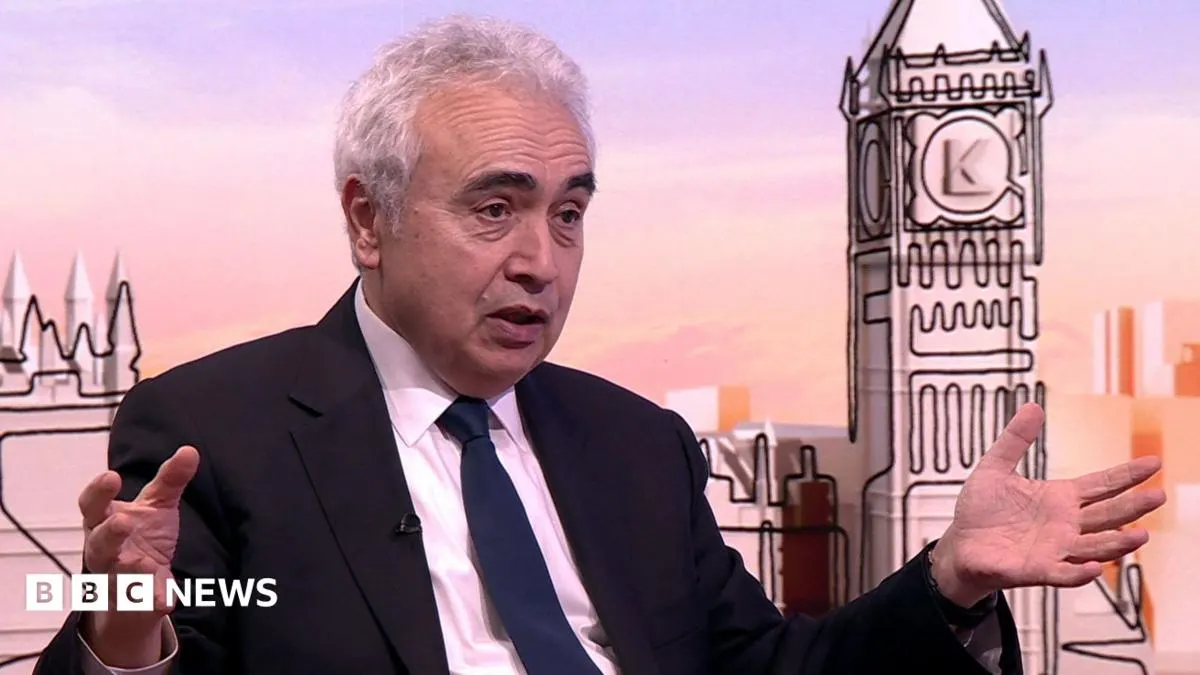
The head of the International Energy Agency, Dr Fatih Birol, has warned that energy prices could rise even further if Europe experiences a harsh winter. He said it was impossible to imagine the global energy system returning to its state before the Iran war, which he described as the largest energy security threat in history.
Energy bills are set to rise by 26% in January for millions of UK households, following a surge in gas prices since the war began in February. Ofgem says the increase is driven by higher wholesale costs, which rose 33% over the three months used to set the cap and have more than doubled since late 2025. Birol said prices could climb further depending on whether the Strait of Hormuz reopens convincingly, and he cited a 400% rise in attempted cyber attacks on energy infrastructure. The UK government has announced a £100 payment for up to 20 million households in England from 4 January, with equivalent payments in Scotland and Wales.
In short
- Energy prices could rise further if Europe faces a harsh winter.
- UK energy bills are set to rise 26% from January.
- Wholesale gas costs have more than doubled since late 2025.
Explained simply
Energy markets set the price of the oil and gas that heat homes, power factories and fuel transport. Prices have risen sharply since a conflict involving Iran began in February, which has disrupted shipments through the Strait of Hormuz, a narrow sea passage between Iran and the Arabian Peninsula that carries a large share of the world's oil and gas.
The International Energy Agency, an international body founded in 1974 to advise governments on energy policy and security, is led by Dr Fatih Birol. Ofgem, the UK's energy regulator, sets the maximum price that household energy suppliers can charge under the energy price cap, which is reviewed every three months based on wholesale costs.
Energy costs affect household budgets, business expenses and national security, and governments often step in to shield consumers from sudden price rises. Winter is a particular concern because demand for heating peaks, so supply pressures during cold months can have a greater effect. Attacks on energy networks by hackers are also a growing worry for governments and operators.