World news and discussion on TalkFuse.
Has the torch passed to a really new generation of Americans?
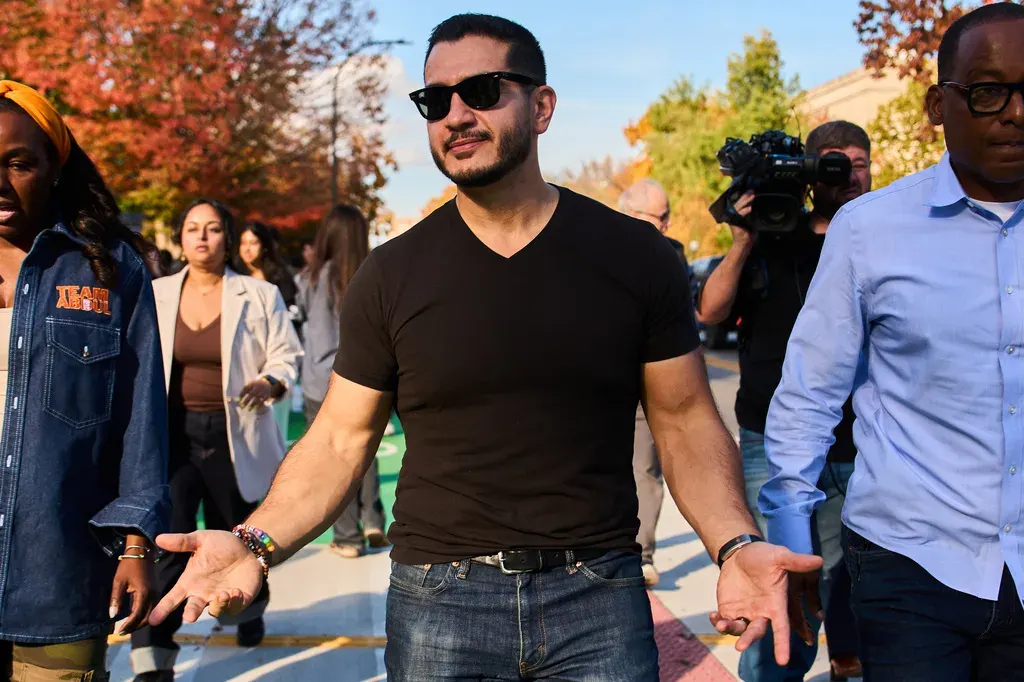
The article argues that the unexpected 2026 midterm results raise questions about political attitudes among young Americans and their sense of civic duty. It points to several Democratic victories as evidence of a generational shift, while using strongly critical language to describe the candidates.
The examples are James Talarico’s Texas Senate victory, Abdul el Sayed’s win in Michigan and Darializa Avila Chevalier’s House victory. The article cites Talarico’s religious views, el Sayed’s Arabic-language victory speech and Avila Chevalier’s rhetoric, then asks whether young voters still respond to John F. Kennedy’s call to serve the country.
In short
- The article questions whether young Americans share older ideas of civic duty.
- It cites three Democratic victories in the 2026 midterms.
- Its argument rests on the author’s interpretation of those candidates.
Explained simply
American politics includes elections for Congress, which consists of the Senate and the House of Representatives, as well as for state offices. Midterm elections take place halfway through a president’s four-year term, and their results can affect which party controls Congress and how much influence the president has.
Younger voters are one part of a diverse electorate, and their views and participation can shape election outcomes. The examples in the article involve Democratic candidates James Talarico in Texas, Abdul el Sayed in Michigan and Darializa Avila Chevalier, who won a House seat; their backgrounds and public remarks have prompted discussion about changing political attitudes and civic service.
Americas Elections Government Politics World