Culture news and discussion on TalkFuse.
Hasan Piker unloads on ‘Islamophobic pieces of s—‘ Democrats as El-Sayed faces party unity test
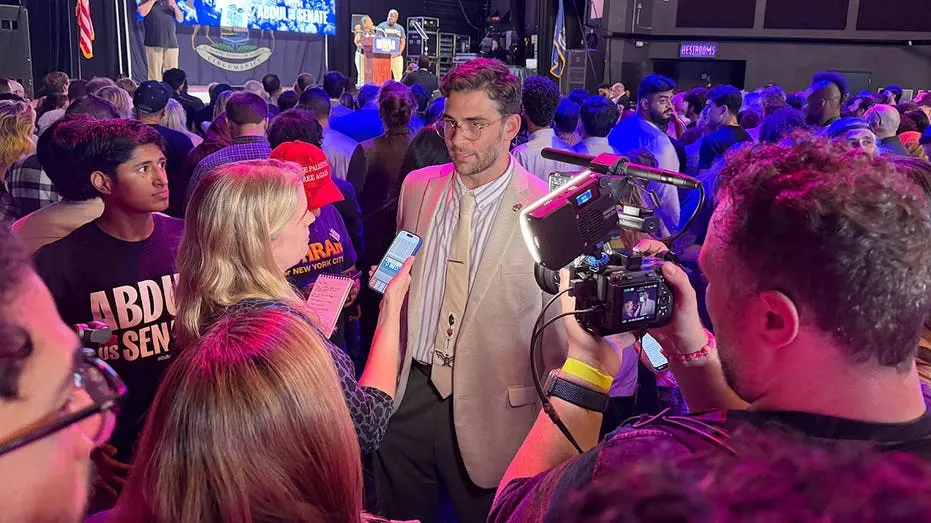
Fox News reports that left-wing streamer Hasan Piker accused unnamed Democrats of Islamophobic attitudes, framing the row around Abdul El-Sayed's recent primary win as a test of party unity. The piece is part of Fox's ongoing coverage of tensions between progressive and moderate wings of the Democratic Party, alongside related spats involving strategist James Carville and Senator Bernie Sanders.
According to the article, Piker used strong language, calling certain Democrats "Islamophobic pieces of s***," while El-Sayed struck a more conciliatory tone, saying he wanted to "mend fences" with critics. This comes amid broader disputes, including Carville reportedly threatening to leave the party and Sanders telling him he could "start his own party," with moderates warning against what they describe as the party "embracing extremism."
In short
- Hasan Piker accused some Democrats of Islamophobia amid party unity tensions.
- Abdul El-Sayed's primary win prompted the row; he seeks to "mend fences."
- Comes alongside separate Carville-Sanders clash over party direction.
Steelman: both sides, in good faith
The strongest fair case each way — we don't pick a winner.
The case for
Progressives contend that intense opposition to El-Sayed from party moderates reflects underlying Islamophobia or discriminatory bias, particularly given that substantive policy disagreements could be addressed directly but often are not. They argue that Muslim candidates should not face an implicit electability penalty based on identity rather than policy, and that the reluctance to engage with El-Sayed's platform on its merits suggests bias is the real driver of resistance. The stronger progressive case is that if legitimate policy concerns existed, they would be articulated plainly; the evasiveness itself indicates prejudice.
The case against
Moderates argue that concerns about El-Sayed stem from genuine disagreements over policy direction, electoral strategy, and the party's broader appeal to swing voters—not from his religion. They contend that questioning a candidate's viability or policy positions is a routine and necessary part of primary politics, and that attributing such questions automatically to bias prevents the honest intra-party debate essential to healthy democracy. The stronger moderate case is that supporting candidates they believe are less electable or further from mainstream American politics represents prudent stewardship, not prejudice.
Explained simply
Abdul El-Sayed is a doctor and political figure who has run for office in Michigan as a Democrat. The party includes a range of views, from moderates who favour gradual change to progressives who seek wider reforms, and disagreements between these groups can shape election campaigns.
Hasan Piker is a political commentator and online streamer known for supporting progressive causes. Accusations of Islamophobia concern prejudice or hostility towards Muslims; disputes over such claims can become especially sensitive when they involve a candidate’s identity and how party members treat one another.
The argument matters because Democrats must balance internal disagreements with the effort to appeal to voters and work together in elections. Calls for unity can sit alongside debates about which views and candidates the party should support.
Art Culture Elections Politics World