World news and discussion on TalkFuse.
Hasbro takes $56 million hit over multiple game cancellations, but it’s still talking about how Baldur’s Gate 3 is key to its future success
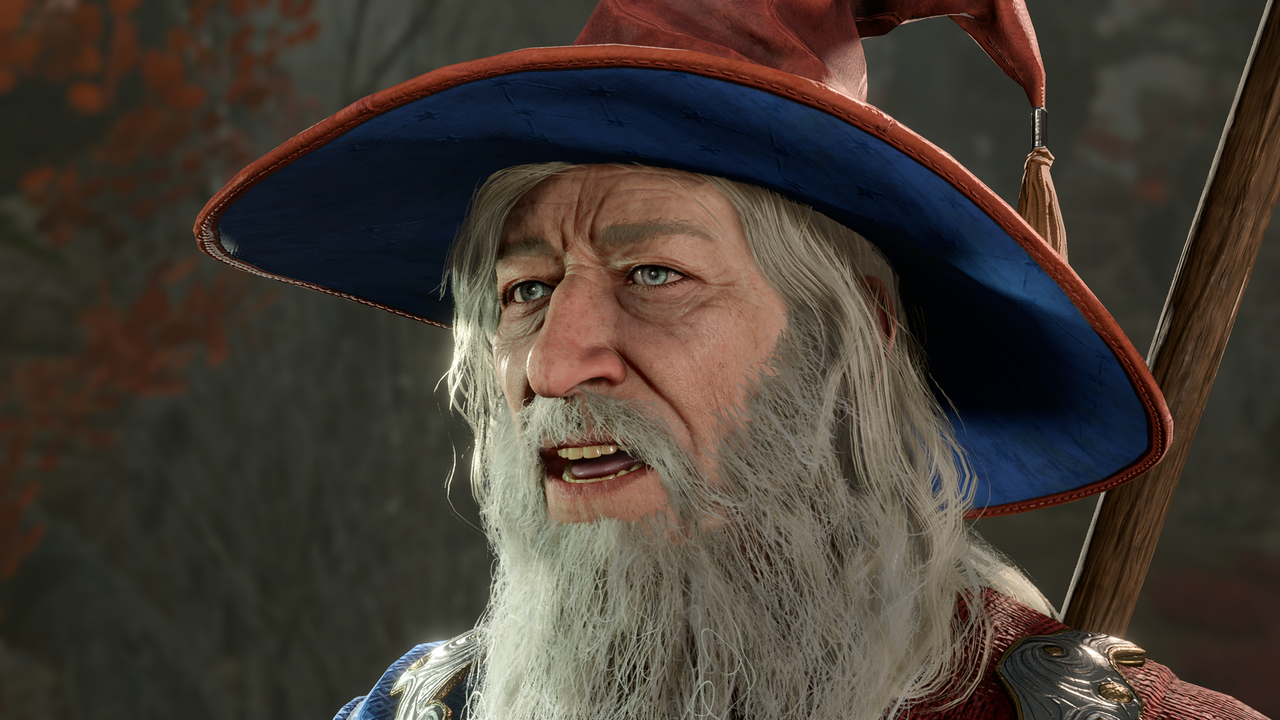
Hasbro has confirmed a $56 million financial hit linked to the cancellation of several video game projects, a reminder of the risks inherent in expanding into interactive entertainment. Despite the setback, the toy and games giant continues to point to Baldur's Gate 3 — developed by Larian Studios under licence from Hasbro's Wizards of the Coast division — as proof that its strategy of partnering with external studios to bring its tabletop properties, such as Dungeons & Dragons, to video games remains sound and central to its future growth.
The write-down reflects money spent on projects that were shelved before release, underlining the financial exposure Hasbro faces when in-house or commissioned game development doesn't pan out. Even so, company executives have continued to cite Baldur's Gate 3's critical and commercial success as validation of licensing its intellectual property to accomplished third-party developers rather than relying solely on internal studios, suggesting this approach will remain a cornerstone of Hasbro's digital gaming ambitions going forward.
In short
- Hasbro takes a $56 million charge from cancelled video games
- Losses tied to shelved projects, not Baldur's Gate 3
- Hasbro still cites Baldur's Gate 3 as key to its gaming strategy
Steelman: both sides, in good faith
The strongest fair case each way — we don't pick a winner.
The case for
The Baldur's Gate 3 success demonstrates that the licensing model, when paired with genuinely talented studios, can produce world-class results that drive both critical acclaim and commercial returns. The $56 million write-down is a proportionate cost of portfolio development; not every venture succeeds, but the strategic approach itself remains validated by BG3's performance, suggesting the path forward is refining partner selection and oversight rather than abandoning the model.
The case against
A single successful title cannot justify a strategy that has produced multiple project failures and a $56 million loss, indicating systemic problems in partner selection, contract management, or development oversight. Before committing further resources to this approach as a cornerstone of growth, Hasbro should conduct a thorough analysis of what went wrong with the cancelled projects and whether the licensing model itself requires fundamental revision rather than simply adjusting execution.
Explained simply
Hasbro is one of the world's largest toy companies, owning famous board game and entertainment brands including Monopoly, Transformers, and Dungeons & Dragons. In recent years, the company has made video games a key part of its growth strategy, aiming to bring its franchises to the gaming industry.
Hasbro has announced a $56 million loss linked to the cancellation of multiple video game projects that were shelved before release. The figure illustrates the financial risks of game development: substantial sums can be spent on projects that ultimately fail to reach players, resulting in complete losses.
The company is pointing to Baldur's Gate 3 as evidence that its gaming strategy can work. This Dungeons & Dragons game, developed by external studio Larian Studios, achieved major critical and commercial success, and Hasbro views this as validation that partnering with experienced game developers — rather than relying solely on internal studios — is the right path for its digital entertainment ambitions.