Hawaii Democrats reinforce establishment slate as Green, Case secure primary victories
Developed over time first seen 2 months ago
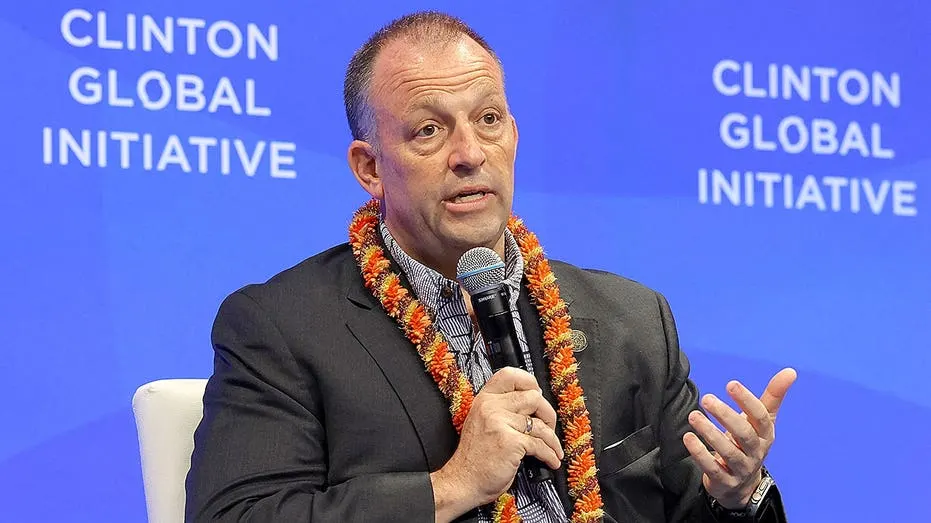
Hawaii's Democratic primary elections delivered decisive wins for establishment-backed candidates across multiple races. Governor Josh Green easily secured re-nomination against three challengers, entering the general election as a clear frontrunner bolstered by a 56% approval rating. His comfortable victory positions him as the likely Democratic nominee facing the Republican nominee in the autumn contest.
The primary results underscored a broader pattern of establishment Democrats consolidating power against progressive challengers. Longtime U.S. Representative Ed Case defeated progressive state Senator Jarrett Keohokalole, continuing a national trend of incumbent advantage and establishment coordination in Democratic primaries. These outcomes in Hawaii reflect wider party dynamics, where traditional Democrats have successfully fended off challenges from the party's socialist-aligned wing.
- Hawaii Gov. Josh Green and Rep. Ed Case both won Democratic primary races, securing establishment-backed candidates as the likely general election nominees
- Green's 56% approval rating and decisive primary victory position him as a heavy favourite heading into the November contest
- Ed Case's defeat of progressive challenger Jarrett Keohokalole reflects broader national tensions between establishment and progressive wings of the Democratic Party
New here? Start with this
Hawaii holds its state elections every two years, and this month's contest was the Democratic primary, which effectively decides who will represent the party in the general election in November. Because Democrats have long dominated Hawaii politics, winning the primary is often seen as the bigger hurdle than the general election itself.
Two races drew particular attention. Josh Green, the sitting governor, was seeking his party's nomination again and faced competition from three other candidates. At the same time, Ed Case, a long-serving member of the US House of Representatives, was challenged by Jarrett Keohokalole, a state senator representing a more progressive wing of the party.
These contests matter beyond Hawaii because they form part of a wider debate within the Democratic Party nationally, between established, longer-serving politicians and newer, more left-leaning challengers seeking to change the party's direction. How such primaries play out in different states is often read as a signal of which approach holds more sway within the party at present.
Both sides, in good faith
The strongest fair case each way — we don't pick a winner.
The case for
Advocates of the establishment outcome argue that voters rewarded proven governance and delivery: Josh Green's 56% approval rating reflects tangible confidence in his handling of the state's challenges, including the Maui wildfire recovery, and Ed Case's long tenure gives Hawaii experienced representation in Washington at a time when seniority and institutional relationships matter for securing federal resources. They would say primary voters, not party insiders, made these choices freely, and that stability and a track record of results are legitimate values to prioritise over untested alternatives.
The case against
Critics sympathetic to the progressive challengers argue that the results reveal structural advantages, incumbency, name recognition, fundraising networks and party infrastructure, that make it disproportionately hard for insurgent candidates to compete on ideas alone, regardless of grassroots enthusiasm. They would contend that figures like Jarrett Keohokalole represented a genuine call for renewal on issues such as housing affordability and cost of living, and that a primary process tilted toward incumbents risks leaving the party less responsive to voters seeking more transformative change.