Science news and discussion on TalkFuse.
Hawk diagnosed as ‘too fat to fly’ after overeating chickens and snoozing for weeks on end
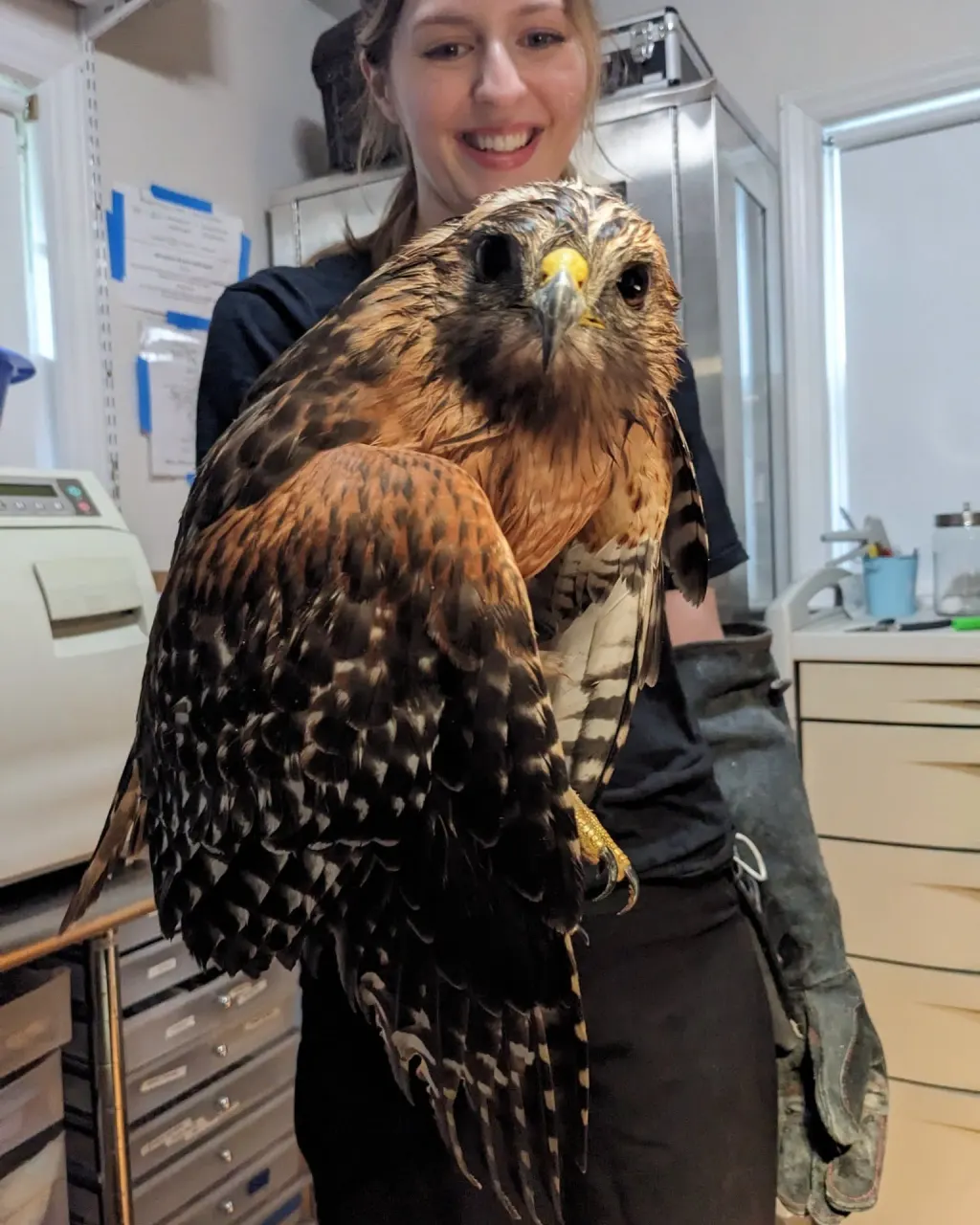
A red-shouldered hawk in Virginia was rescued after being found grounded in a driveway. Wildlife staff said she was healthy but too heavy to fly, and traced her weight gain to repeatedly eating chickens left outdoors; the case highlights how human activity can affect wild animals’ health and safety.
The hawk weighed more than 910 grams, or about two pounds, compared with a typical weight of roughly one to 1.5 pounds for the species. A neighbour confirmed that chickens had been disappearing for weeks, while the hawk apparently ate and rested in nearby trees. The wildlife centre said being unable to fly left her vulnerable to predators and urged people not to feed wildlife, directly or indirectly.
In short
- A Virginia hawk weighed more than two pounds.
- It had been eating chickens left outdoors.
- Rescuers said the extra weight left it vulnerable.
Explained simply
Red-shouldered hawks are birds of prey found in eastern North America, including Virginia. They hunt small animals and birds, and rely on flight to find food and escape danger.
The hawk was found near a property where chickens had been kept outdoors, and wildlife staff linked the extra food to her weight gain. This illustrates how food provided or left accessible by people can affect wild animals’ health and behaviour.
A hawk that cannot fly is less able to avoid predators or move to safer places. Keeping domestic animals secure and avoiding food sources that attract wildlife can reduce contact between wild and domestic animals.