HBO’s Must-Watch Drama Is Doubling Down on Its Biggest Formula Change Yet in Season 4
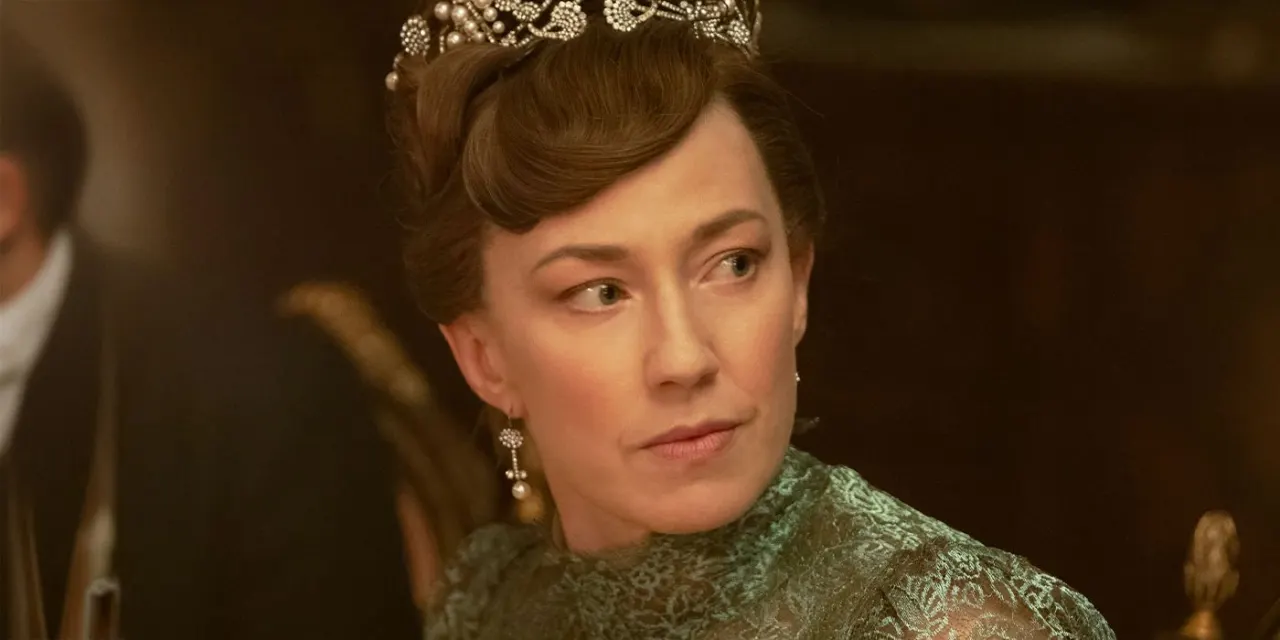
The first trailer for HBO’s fourth season of The Gilded Age suggests that Bertha and George Russell’s marriage will remain fractured after the conflict that ended season three. The article argues that prolonging their separation could strengthen the drama, testing a relationship previously presented as an unusually supportive and equal partnership while exploring the personal and social consequences for Bertha.
The dispute centres on Bertha’s decision to secure daughter Gladys’s marriage to an English duke, which boosts the family’s status and offers protection in a period when women had limited financial and political independence. Although Bertha is criticised as a parent, the article portrays George as also culpable for failing to protect Gladys and for turning against Bertha; it also flags concern over his earlier access to laudanum and the possibility of worsening health or relationship problems.
- Season four appears set to continue the Russells’ marital estrangement.
- Gladys’s arranged marriage drives the central family conflict.
- The article sees separation as dramatic potential, not necessarily a mistake.
New here? Start with this
The Gilded Age is a period drama set in New York in the 1880s, when wealthy families competed for money, influence and acceptance among established high society. Bertha and George Russell are newly rich industrialists: she works to raise the family’s social standing, while he builds their fortune.
Their daughter Gladys’s marriage to an English duke reflects the limited choices women had in a society where financial security and status often depended on family and marriage. The Russells’ conflict brings those pressures into their home and tests a marriage that had been portrayed as a partnership.
Both sides, in good faith
The strongest fair case each way — we don't pick a winner.
The case for
Keeping Bertha and George apart can give the series a richer test of a marriage that has often seemed unusually secure for its setting. Bertha’s decision about Gladys can be understood as a harsh but strategic effort to protect her daughter’s future in a society that offered women few independent sources of power or security, while George also bears responsibility for not preventing the match. Exploring the fallout could illuminate the unequal pressures on women, the cost of ambition and the fragility of even loving partnerships.
The case against
Prolonging the separation risks weakening one of the programme’s most distinctive and appealing relationships, whose mutual respect has offered a refreshing contrast to the era’s many restrictive marriages. A thoughtful critic could argue that securing Gladys’s marriage to the duke treated her future as a tool for family advancement, whatever practical protections it promised, and that George’s anger reflects a legitimate failure of trust between parents. The drama may be strongest if it addresses that harm directly without allowing prolonged conflict or health-related melodrama to eclipse Gladys’s own agency.