Culture news and discussion on TalkFuse.
“He confounded his fans and his record label. Most of his band jumped ship after it”: When Arthur Lee steered Love into uncharted waters
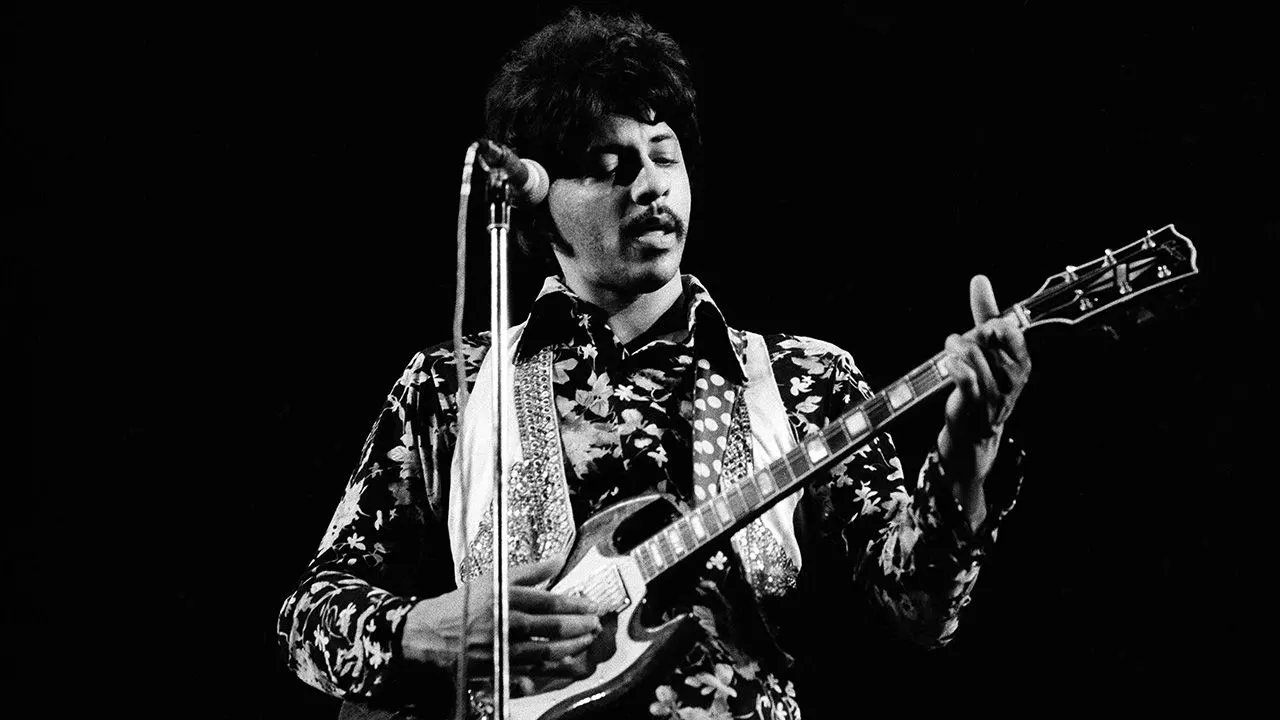
This retrospective piece looks back at Love's ambitious second album, Da Capo, released in 1967, and how frontman Arthur Lee pushed the Los Angeles band in a radically new creative direction. Recorded at RCA Studios in Hollywood in September 1966 with engineer Dave Hassinger (who had also worked with the Rolling Stones), the record marked a dramatic departure from the band's self-titled debut and from mainstream rock of the era, leaving fans, their label Elektra, and even some of Lee's own bandmates baffled.
To realise his vision, Lee expanded Love's line-up from five musicians to seven, adding saxophonist Tjay Cantrelli and drummer Michael Stuart, giving the group a fuller, almost orchestral sound rather than that of a typical garage band. The album's title, taken from the Italian musical term "da capo" meaning "from the head", reflected Lee's intent to start afresh, and the resulting shift in direction proved so divisive that most of the band's original members left in its aftermath.
In short
- Arthur Lee reshaped Love's sound on 1967 album Da Capo.
- Line-up grew from five to seven musicians, adding sax and drums.
- The bold new direction confused fans and drove bandmates away.
Steelman: both sides, in good faith
The strongest fair case each way — we don't pick a winner.
The case for
Arthur Lee demonstrated genuine artistic courage by refusing to remain bound by the expectations of Love's debut. Great artists must evolve and experiment, even at considerable risk, and the expansion to a fuller, orchestral sound represented a sophisticated creative choice worthy of serious consideration. That initial audiences and bandmates struggled with the new direction does not diminish the artistic merit of the work; many now-revered albums faced similar incomprehension upon release, and meaningful innovation often requires willingness to leave behind those unable or unwilling to follow the vision.
The case against
Whilst artistic growth matters, Lee pursued his vision in a manner that disregarded the interests and input of his collaborators. The dramatic shift in direction, undertaken apparently without consensus-building amongst the existing members, fractured the group he had helped establish. When most original bandmates depart following such a change, it suggests a failure in communication and collaborative responsibility. There is a meaningful distinction between pushing artistic boundaries and unilaterally redirecting a collective project in ways that alienate those who built its foundation.
Explained simply
Love were a Los Angeles rock band led by singer and songwriter Arthur Lee. Their first album had an electric, rough-edged sound; for their 1967 follow-up, Lee wanted to take the music in a different direction and begin again.
Lee enlarged the group from five musicians to seven, adding saxophone and another drummer. The extra players gave the recordings a broader sound, setting them apart from the leaner rock many listeners expected at the time.
The change divided opinion among fans, the band’s record label Elektra and some of the musicians themselves. Most of the original line-up left afterwards, making the album a turning point in Love’s history.
Art Culture Entertainment Music