Dexter-inspired student’s murder raises concerns over violent television effects
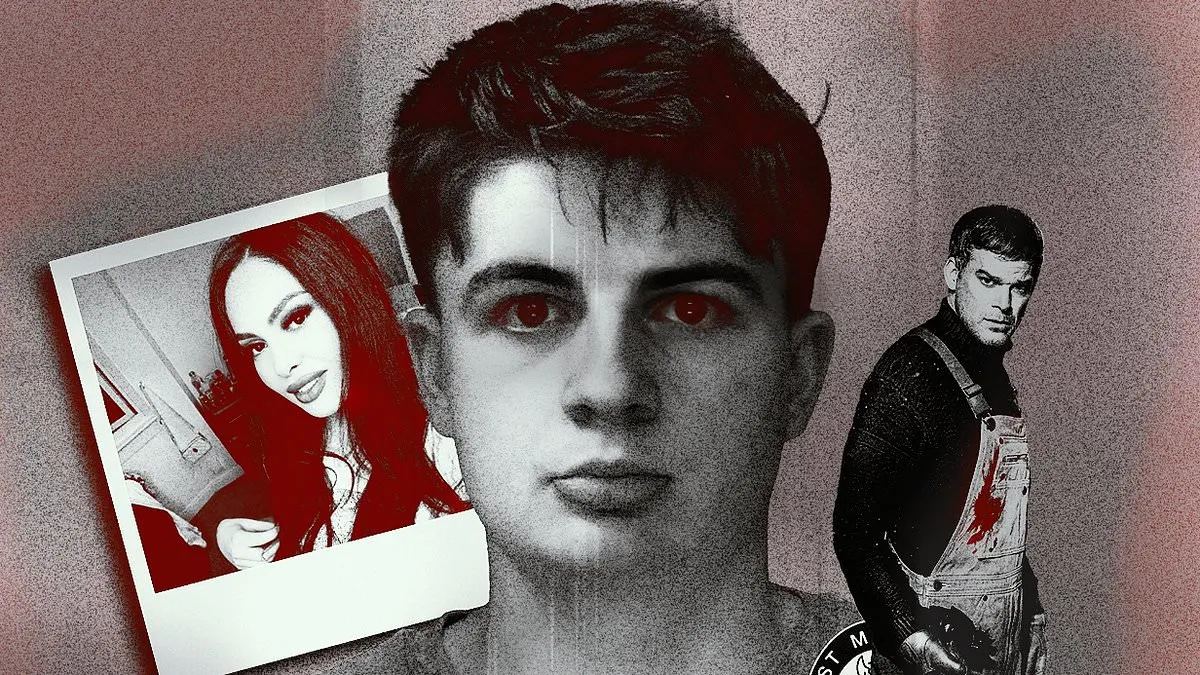
Benjamin Day, a 19-year-old University of Worcester student, stabbed Maria Saceanu, a 24-year-old mother, 78 times in an Airbnb room on 20 December. He had meticulously prepared a "kill room" with plastic sheeting, multiple knives, duct tape and cleaning materials, and prosecutors told Wolverhampton Crown Court he drew direct inspiration from the television drama Dexter, which features a blood-spatter analyst who is secretly a serial killer. The case raises urgent concerns about the real-world impact of popular entertainment depicting violent crime.
Day, from an affluent area of Redditch, Worcestershire, had switched to an applied biology and forensics course at university shortly before the killing. The prosecutor described his actions as those of "a copycat, imitating the things he had seen in that programme". Day pleaded guilty to murder on the second day of his trial and now awaits sentencing in December. His parents, from a prosperous family, said they were unaware of the influence Dexter had exerted on their son, with the case reportedly one of several copycat crimes potentially inspired by the series.
- University student murdered woman 78 times in meticulously prepared "kill room" inspired by Dexter.
- Suspect drew direct inspiration from TV drama featuring serial killer with strict rules.
- Case is one of several copycat crimes potentially linked to popular television series.
New here? Start with this
Last December, Benjamin Day, a 19-year-old University of Worcester student, killed Maria Saceanu, a 24-year-old mother, in an Airbnb room. Prosecutors said Day drew inspiration from the television series Dexter, which depicts a serial killer, and had carefully prepared for the attack using methods featured in the programme.
Dexter became a widely watched crime drama that ran for several seasons and featured graphic depictions of violence and killing techniques. The case is reportedly not isolated, with other crimes said to show similar patterns of copycat inspiration linked to the series.
The incident raises questions about the potential real-world effects of television programmes that depict graphic violence and criminal behaviour. These concerns form part of a longstanding debate about media responsibility and whether entertainment depicting crime could influence viewers.
Both sides, in good faith
The strongest fair case each way — we don't pick a winner.
The case for
This tragic case demonstrates that violent entertainment can directly inspire real violence, with the defendant's meticulous preparation directly mirroring the methods depicted in Dexter. When graphic depictions of violence are widely available to young audiences, creators and platforms bear responsibility for considering the potential impact on vulnerable individuals. The case highlights an ethical imperative to balance creative freedom with recognition that such content can influence real-world behaviour, particularly amongst those already struggling with psychological difficulties.
The case against
Millions of viewers watch Dexter and similar programmes without committing violence, suggesting that media influence is far less determinative than other factors in explaining violent crime. This individual's actions reflect his own psychological state, access to weapons, and deliberate choices—blaming television risks obscuring the genuine risk factors whilst constraining creative freedom for millions of consumers. Focusing on media effects can distract from addressing root causes such as mental health support, social isolation, and access to means, which are far more reliable predictors of violence than entertainment consumption.
Read the full article at the source →
Originally published by Daily Mail as “He murdered and dismembered a woman in his ‘kill room’ – but Dexter-obsessed killer Benjamin Day is just one in a string of copycats inspired by the series… that could be the most dangerous show on TV”.