Healey’s gambling tax rise threatens 77 bingo halls and 1,200 jobs
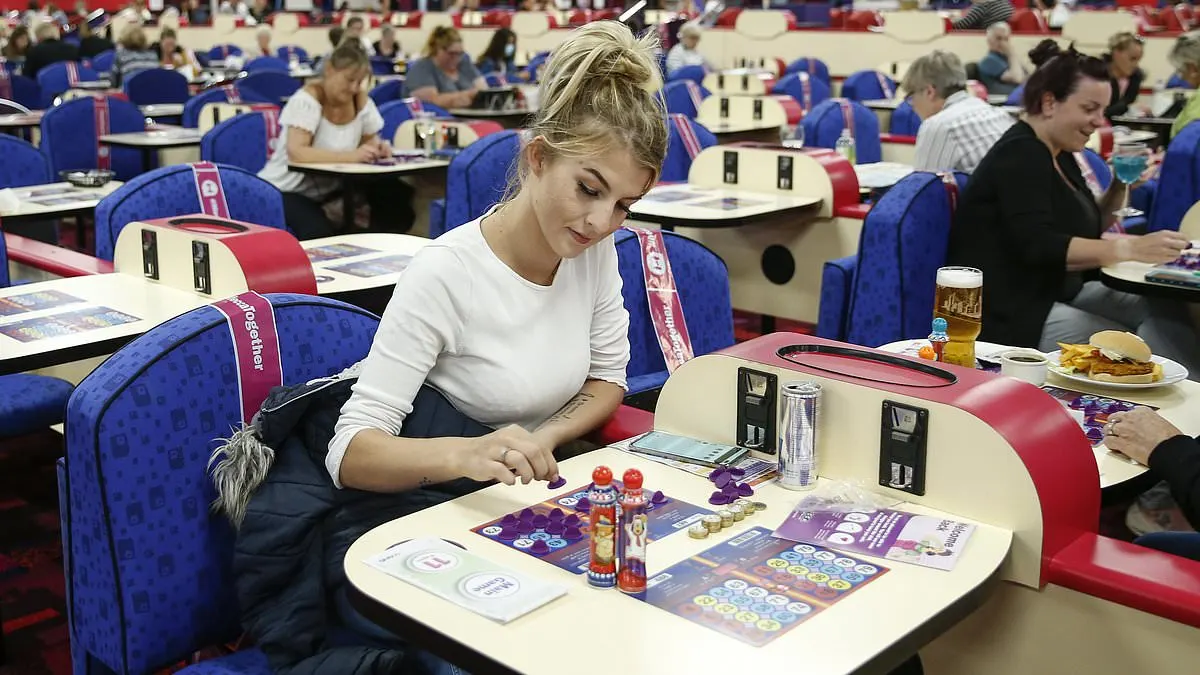
Chancellor John Healey’s Budget raises Machine Games Duty from 20 per cent to 25 per cent, a measure intended to curb gambling harm and raise money for retail, hospitality and leisure businesses. Bingo operators say the tax will make many halls unprofitable, putting sites and jobs at risk and prompting criticism that bingo has been grouped with more harmful forms of gambling.
The increase is expected to raise £145 million a year, but the Bingo Association estimates 77 of the UK’s 239 halls could become loss-making, with as many as 1,200 jobs at risk. Rank Group, which owns Mecca Bingo, says the change will cost it £9 million and that it is considering mitigating measures, potentially including closures. Bingo leaders argue slot machines provide an important source of income and that clubs also offer social contact, particularly for older and isolated customers.
In short
- Bingo operators say a 5-point tax rise threatens 77 halls.
- Up to 1,200 jobs could be at risk.
- Rank Group expects a £9 million cost.
Steelman: both sides, in good faith
The strongest fair case each way — we don't pick a winner.
The case for
Raising Machine Games Duty could help reduce gambling harm while raising an estimated £145 million a year for retail, hospitality and leisure businesses. Supporters may argue that taxing machine gambling is a reasonable way to address its social costs and that bingo halls should not be exempt simply because they also serve a social function.
The case against
Bingo operators argue that the increase treats bingo machine play too much like more harmful forms of gambling and could make already pressured halls unviable. They warn that as many as 77 halls and 1,200 jobs could be at risk, while closures would also remove valued places for social contact, particularly for older and isolated people.
Explained simply
Machine Games Duty is a tax paid by businesses on money taken from certain gambling machines, including slot machines in bingo halls. Bingo venues earn income from both games of bingo and these machines, which can help cover the cost of running a hall.
The government uses gambling taxes to raise revenue and influence gambling activity. Bingo operators say their halls also provide a place for people to meet, including older customers and those who may be isolated, while critics of gambling focus on the potential for financial harm.
Read the full article at the source →
Originally published by Daily Mail as “Healey faces bingo backlash as Budget tax raid puts 77 sites and 1,200 jobs at risk”.