Healey insists he will bring welfare bill down despite delaying decisions
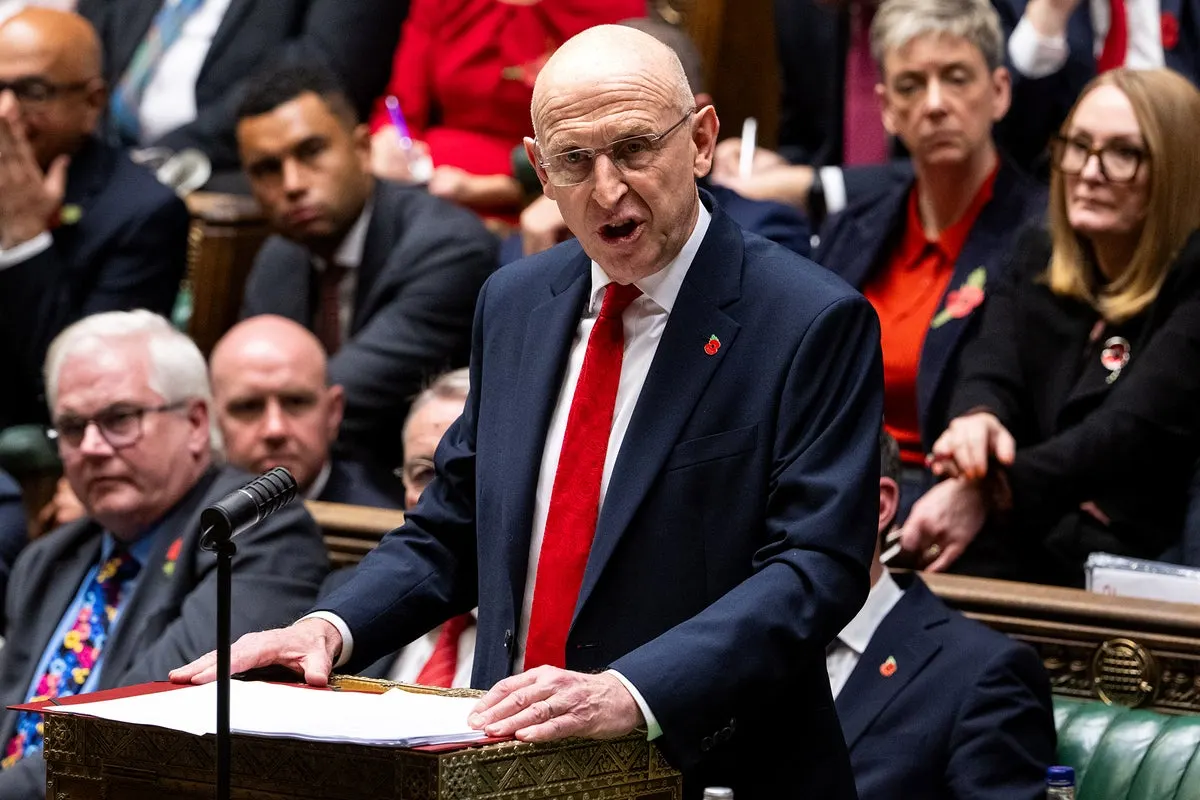
John Healey said the government would reduce the benefits bill before the next general election, despite postponing major welfare decisions until 2027. The Budget delay drew criticism from opposition Conservatives and the Institute for Fiscal Studies, as forecasts point to rising health-related benefit spending.
The Office for Budget Responsibility expects health-related benefits, including sickness benefits and Personal Independence Payments, to cost £105bn in 2028-29, with about three quarters going to working-age adults. Healey cited face-to-face assessments and Universal Credit changes as measures already under way, and said reforms should help young people into work without resorting to “crude cuts” amid cost-of-living pressures.
In short
- Healey promises to reduce the benefits bill before the next election.
- Health-related benefits are forecast to cost £105bn in 2028-29.
- Major welfare decisions have been delayed until 2027.
Steelman: both sides, in good faith
The strongest fair case each way — we don't pick a winner.
The case for
Delaying major decisions until 2027 may allow the government to assess the effects of measures already under way, including face-to-face assessments and Universal Credit changes, before making further reforms. With living costs under pressure, avoiding blunt cuts could protect people who rely on support while reforms aim to help more young people into work and reduce spending over time.
The case against
A commitment to reduce the benefits bill before the next election is difficult to assess when major decisions have been postponed and forecasts show health-related spending continuing to rise. Conservatives and the Institute for Fiscal Studies can reasonably argue that waiting risks leaving taxpayers with a larger bill and gives too little clarity about which policies will deliver savings.
Explained simply
The benefits bill covers payments to people on low incomes, people who are out of work and people whose health affects their ability to work or manage daily life. Personal Independence Payment helps with extra costs linked to disability, while Universal Credit is a means-tested payment that can include support for people who are not working.
John Healey is the work and pensions secretary, responsible for the government’s welfare policy. The Office for Budget Responsibility is an independent body that forecasts public spending and the economy; its estimates help inform decisions about taxes and government budgets.
Welfare spending matters because it affects both the support available to households and the amount the government spends from public funds. Changes to benefits can also shape how people with health conditions are assessed and what help they receive to work.
Art Business Culture Markets Politics