Healey to clobber banks with higher taxes – after hailing them as ‘jewel in the crown of the British economy’
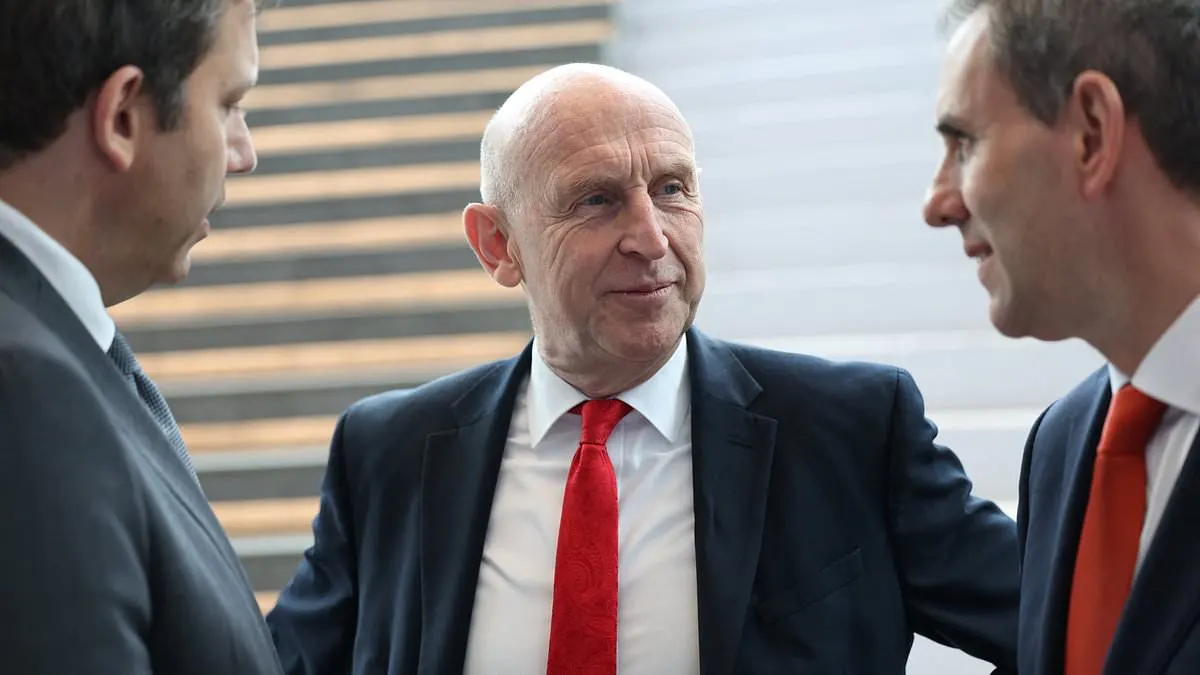
Chancellor John Healey praised banks as an important part of Britain’s economy, but left open the possibility of raising their taxes in his Budget on 28 October. The uncertainty matters because a higher tax bill could affect banks’ investment decisions and the cost of borrowing for households and businesses.
The bank surcharge, paid on profits on top of corporation tax, was cut from 8 per cent to 3 per cent under Rishi Sunak. A return to 8 per cent is estimated to raise about £2 billion a year; unions have called for a windfall tax to help fund energy bill cuts, while business groups warn that higher taxes could weaken investor confidence and encourage firms and people to leave Britain. Healey also said he would meet the government’s fiscal rules and provide some breathing space for families and businesses.
- Healey has not ruled out raising taxes on banks.
- Restoring the surcharge to 8 per cent could raise £2 billion a year.
- Business groups warn a tax rise could affect investment and borrowing costs.
New here? Start with this
Banks take deposits, lend money to households and businesses, and provide services that support trade and investment. Their profits are taxed through corporation tax, with an additional bank surcharge applying to some profits.
The surcharge was reduced from 8 per cent to 3 per cent under former chancellor Rishi Sunak. Unions have called for a tax on banks’ windfall profits to help pay for lower energy bills, while business groups say higher taxes could affect investment and confidence in Britain.
The debate matters because banks’ costs and decisions can influence how readily households and businesses can borrow, and at what price. The government also has fiscal rules governing public borrowing and debt, which shape its choices about taxes and spending.
Both sides, in good faith
The strongest fair case each way — we don't pick a winner.
The case for
Raising the bank surcharge or taxing exceptional profits could bring in substantial revenue at a time when families and businesses face pressure, and could help fund support such as lower energy bills while meeting fiscal rules. Banks benefit from operating in Britain and can be asked to contribute more, particularly if profits are strong, without relying solely on cuts to public services or other taxes.
The case against
Banks are a significant source of investment, jobs and lending, so higher taxes could make Britain less attractive to investors and encourage firms or people to move activity elsewhere. If banks respond by reducing investment or passing costs on through more expensive borrowing, households and businesses could bear some of the burden, potentially weakening economic growth and the tax base over time.