Health news and discussion on TalkFuse.
Healthcare workers on the front line of Ebola: ‘One day patients may seem fine and the next they are dead’
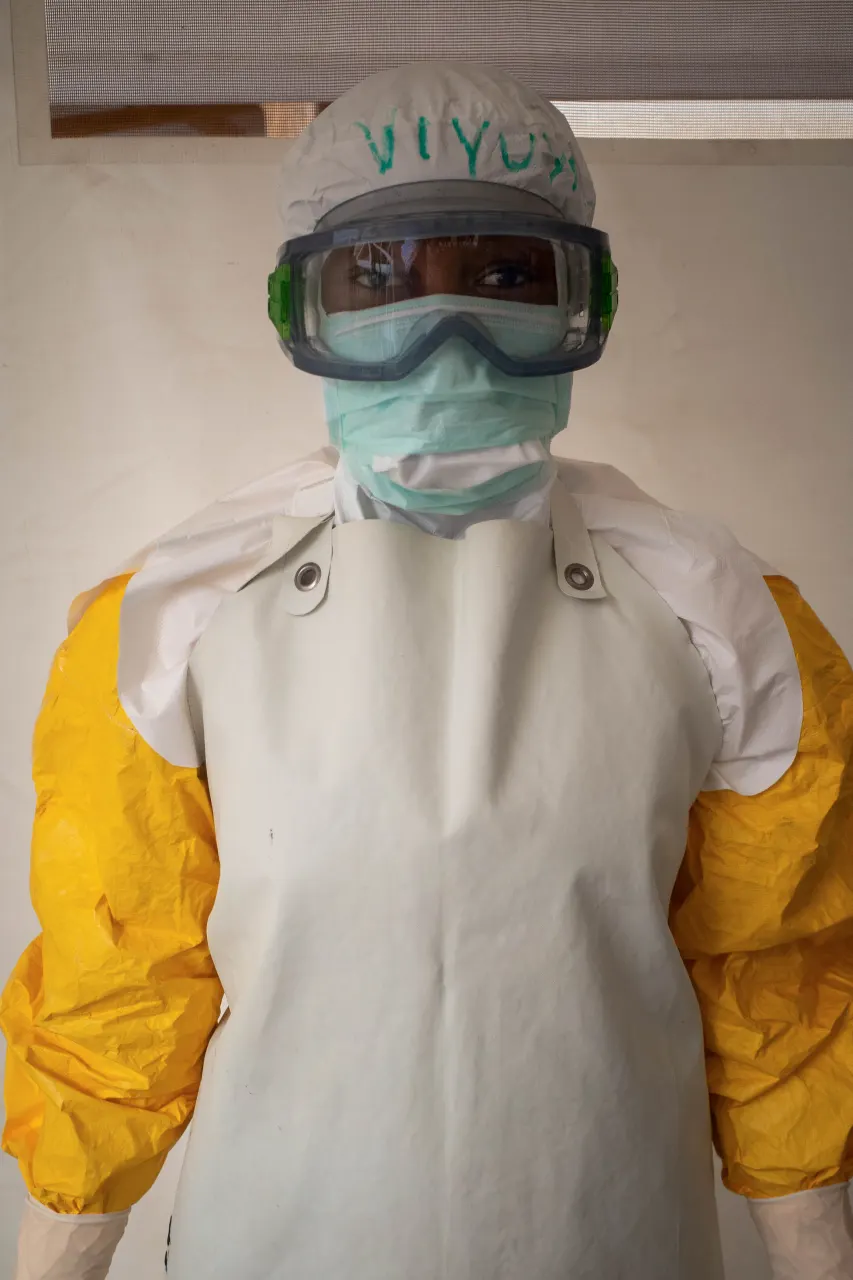
Healthcare workers treating Ebola in the Democratic Republic of the Congo describe a fast-moving outbreak that is placing patients and staff under severe pressure. The Bundibugyo-strain epidemic has infected more than 11,000 people and killed over 5,400, and aid group Médecins Sans Frontières says the response is out of control.
Nurse Vivuya Kavira Mwenga says early care can improve patients’ chances, though the centre can only treat symptoms; supervisor Alice Alyerunga recalls about 100 deaths in three weeks before the first patient survived. The outbreak has affected eight of the DRC’s 26 provinces and spread across four African countries, with Nigeria declared free of the disease after its only patient was evacuated. MSF says late detection, conflict and overstretched health services have hindered the response, while frontline teams lack resources despite substantial funding.
In short
- Ebola has infected more than 11,000 people and killed over 5,400.
- Nurses describe the strain and risks of treating patients.
- MSF warns that resources are not reaching communities effectively.
Explained simply
Ebola is a serious infectious disease that can cause fever, weakness and other symptoms, and some patients become dangerously ill very quickly. The Bundibugyo strain is a type of Ebola virus; care centres can help patients manage symptoms, while early treatment and supportive care may improve their chances of recovery.
In the Democratic Republic of the Congo, nurses and other health workers care for patients while trying to limit infection. Médecins Sans Frontières, also known as MSF, is an aid organisation whose teams support the response alongside local health services.
The outbreak has reached several provinces and crossed national borders, making detection and coordination difficult. Conflict and overstretched services can delay care, while shortages at treatment centres affect both patients and staff.