Science news and discussion on TalkFuse.
Heartless bureaucrats threaten to ban wildlife carer from rescuing sick and injured animals after she took a wombat interstate without a permit to get it lifesaving treatment
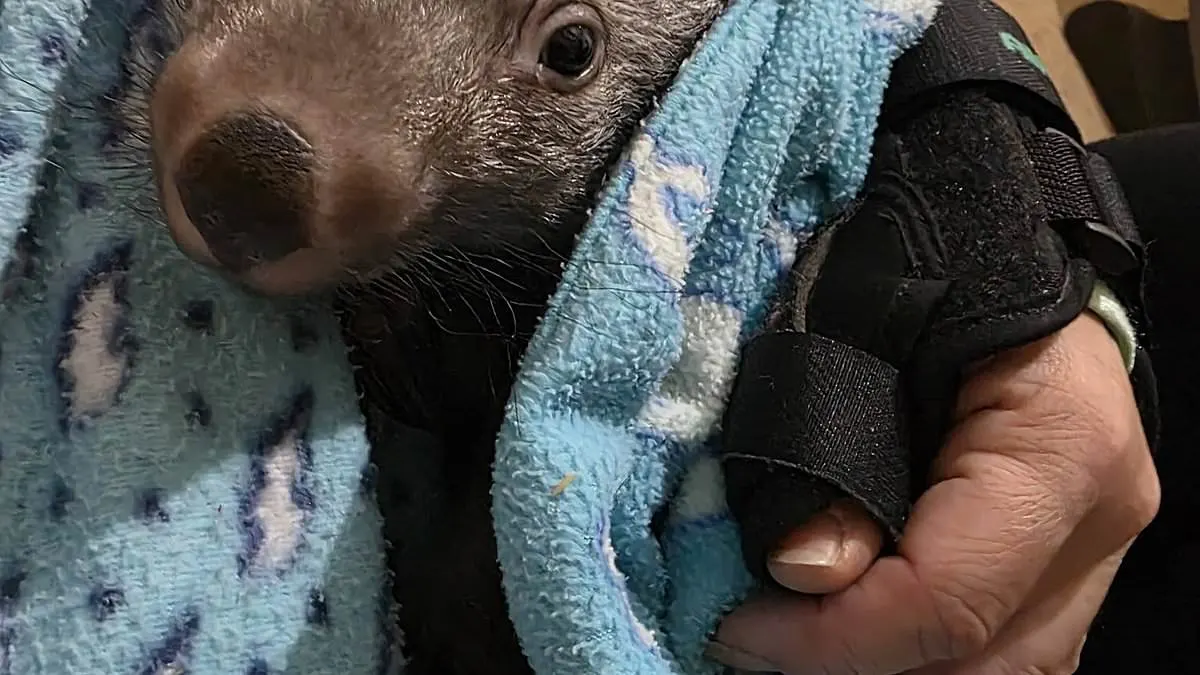
Victorian wildlife carer Jade Whittingham is under investigation after taking a sick wombat across the border into New South Wales for specialist treatment without a permit. If authorities uphold the complaint, she could lose her wildlife licence, potentially leaving her shelter unable to care for animals.
Whittingham says she first sought help from a Victorian vet who lacked the expertise to treat the wombat. Wombat Wisdom Wildlife Care says she did not know a permit was required and acted to save the animal; the Victorian Wildlife Alliance has called for authorities to use discretion. Whittingham attended a formal interview and expects an outcome by year’s end. Moving wildlife into or out of Victoria without approval carries a maximum court fine of A$20,190.
In short
- A Victorian carer is investigated for taking a sick wombat interstate without a permit.
- She sought specialist treatment after a local vet could not treat its condition.
- The maximum court fine for unpermitted wildlife transport is A$20,190.
Steelman: both sides, in good faith
The strongest fair case each way — we don't pick a winner.
The case for
Whittingham’s strongest case is that she faced an urgent animal-welfare problem after a local vet could not provide the specialist care the wombat needed, and she acted to obtain treatment rather than leave it without help. If she did not know a permit was required, and the breach was isolated and made in good faith, a proportionate response could recognise those circumstances and avoid depriving other animals of care at her shelter.
The case against
Authorities’ strongest case is that permits for moving wildlife across state borders help enforce animal-health, biosecurity and wildlife-protection rules, and those rules need to be followed even when the motive is compassionate. A consistent process protects animals and creates accountability; officials may also need to establish the facts and consider whether the breach was avoidable before deciding whether discretion is appropriate.
Explained simply
Wildlife carers are licensed to rescue and care for native animals, often working with vets when an animal is sick or injured. The rules vary between states, and taking an animal across a state border may require official approval.
Jade Whittingham runs Wombat Wisdom Wildlife Care in Victoria, where she says a local vet could not provide the specialist treatment a sick wombat needed. The Victorian Wildlife Alliance has urged authorities to consider the circumstances, while the investigation could affect Whittingham’s licence and her shelter’s ability to care for animals.
Environment Health Medicine Science World