Heathrow expansion ‘is threat to England’s largest surviving medieval barn’
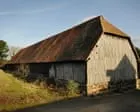
Campaigners are warning that Heathrow's proposed third runway could damage or destroy the New Barn at Harmondsworth, believed to be England's largest surviving medieval timber-framed barn, with the public deadline for objections to the expansion set at 1 September. The 600-year-old structure, owned by English Heritage since 2011, is considered a remarkable and unusually well-preserved piece of medieval architecture, and campaigners fear vibrations from aircraft taking off could shake it apart once the expanded airport boundary sits just a few hundred metres away.
Built in 1426 on land bought in 1391 by the then Bishop of Winchester, the barn measures almost 60 metres long, 12 metres wide and 11 metres tall, supported by 13 oak trusses, and was once likened to a "cathedral" by former poet laureate Sir John Betjeman. Justine Bayley, English Heritage's former archaeological scientist and chair of the Stop Heathrow Expansion campaign, says over 95% of its structural timbers remain original, far higher than comparable medieval barns, and cites vibration problems already felt in nearby Longford, a village that would be demolished under the plans. The government is currently consulting on changes to the Heathrow expansion's national policy statement, with Bayley criticising the process for prioritising the airport's "critical national infrastructure" status over environmental protections, while noting that opposition, though difficult, is not impossible given reported reservations from senior figures such as the prime minister.
- Heathrow's third runway may threaten a 600-year-old medieval barn
- Barn near Harmondsworth is over 95% original timber, campaigners say
- Public objections to expansion plans are due by 1 September
Both sides, in good faith
The strongest fair case each way — we don't pick a winner.
The case for
Advocates for the Heathrow expansion argue that the airport is a vital piece of national infrastructure, and that a third runway would boost the UK economy through increased trade, connectivity and jobs, both directly at the airport and in supply chains across the country. They would say that heritage concerns, while genuine, must be weighed against the country's competitiveness, and that modern engineering assessments, planning conditions and vibration-monitoring measures can adequately protect nearby historic structures without abandoning a project of major economic significance. From this perspective, the planning process exists precisely to test and mitigate such risks, and objections should be resolved through evidence-based conditions rather than halting expansion outright.
The case against
Heritage campaigners and local residents argue that the New Barn at Harmondsworth is an irreplaceable piece of England's medieval history, one of the finest surviving timber-framed buildings in the country, and that its physical integrity cannot be risked for the sake of aviation growth. They would say that once such a structure is damaged by sustained vibration, no amount of compensation or restoration can truly undo the loss of an authentic six-hundred-year-old fabric, and that the burden of proof should fall on developers to demonstrate the barn's safety beyond doubt before any expansion proceeds. For them, the case reflects a broader principle that irreplaceable heritage assets deserve precautionary protection against incremental industrial encroachment, however economically beneficial that encroachment might be.