Entertainment news and discussion on TalkFuse.
Help: I can’t stop obeying traffic laws in GTA 6
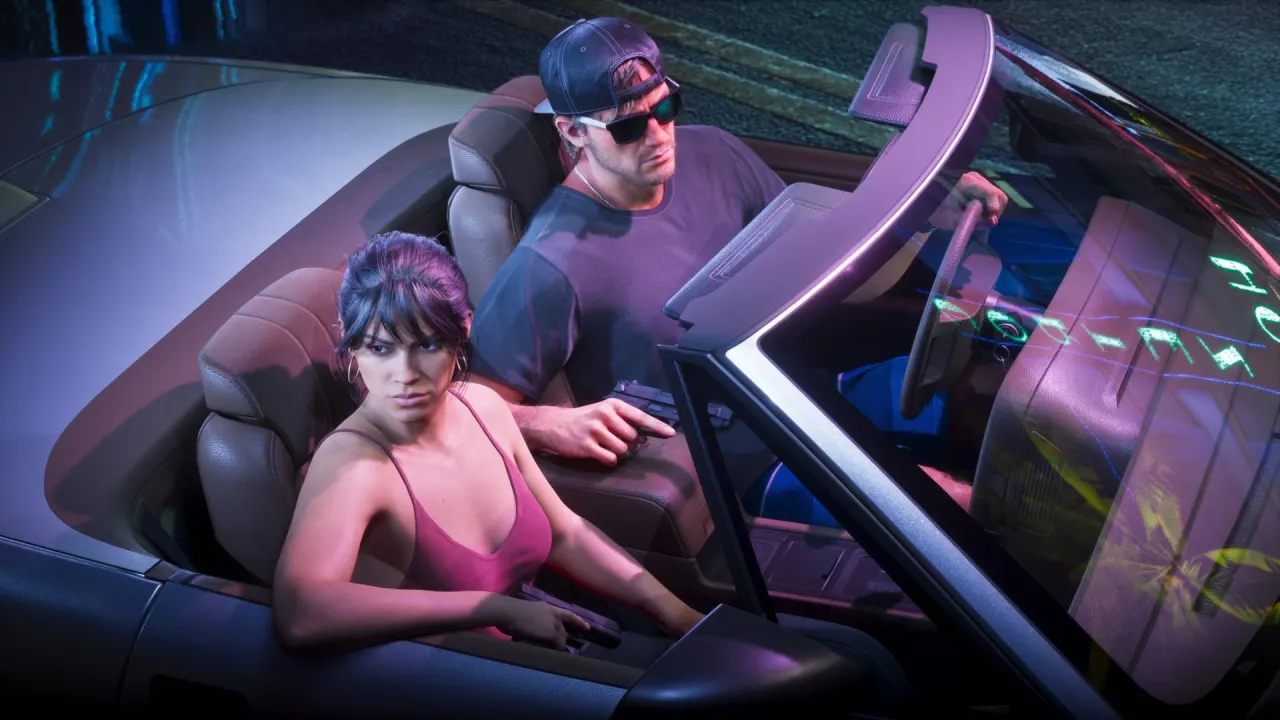
A writer says Grand Theft Auto 6’s more convincing world has made them unexpectedly cautious behind the wheel, stopping at lights and signs instead of driving recklessly. They argue that this matters because the game’s visual detail and sense of weight make familiar criminal antics feel more unsettling.
The writer also says they are less inclined to fire weapons casually: a clip of beachgoers fleeing after a character shoots into the air illustrates how public violence feels more serious. They contrast this with mission combat, which still feels like action-film spectacle, and suggest that realistic movement, lighting and animation sharpen the impact of harmful actions.
In short
- GTA 6’s realism has made one player drive more cautiously.
- Casual gunfire also feels more disturbing in its detailed world.
- Mission combat remains more like action-film spectacle.
Steelman: both sides, in good faith
The strongest fair case each way — we don't pick a winner.
The case for
Greater realism can make a game’s world feel more coherent and its consequences more emotionally legible. If players pause before reckless driving or casual gunfire, that may show how convincing movement, animation and public reactions can deepen immersion and encourage reflection on harm.
The case against
A game can be compelling without making players feel responsible for behaving realistically, and obeying traffic laws may simply be an amusing, temporary response to familiar surroundings. Realistic depictions of violence can also heighten tension while leaving mission combat as spectacle, so their effect on players’ attitudes or conduct should not be overstated.
Explained simply
Grand Theft Auto is a video game series in which players explore a fictional city and take part in criminal missions, including driving and combat. Its open world also lets players roam freely, so they can choose how to behave outside the main story.
The new game’s more lifelike visuals and movement appear to be changing how one writer responds to those choices. That matters because familiar game actions, such as speeding or firing a weapon, can feel more consequential when the people and surroundings seem more convincing.