Technology news and discussion on TalkFuse.
Helpful but awkward: My week with Meta’s Muse ahead of its UK launch
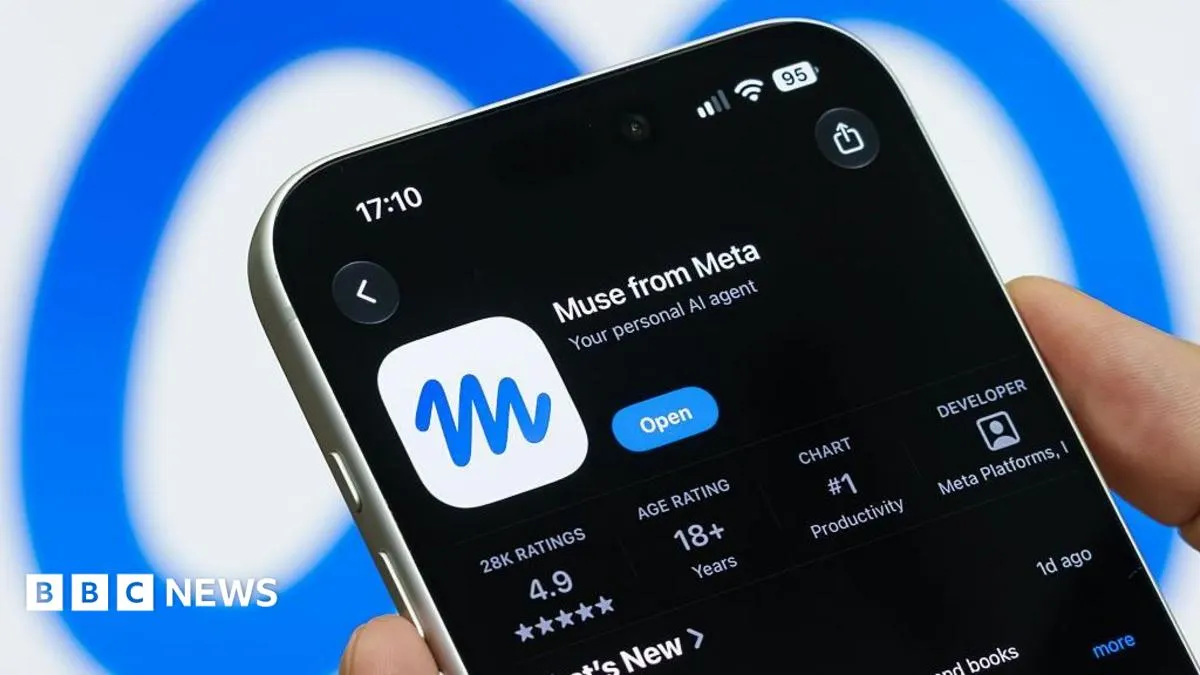
Meta has launched Muse, its AI agent, in the UK, where it is available to people aged 18 and over. The service can work on tasks such as finding holiday options while the user is away from the app, reflecting Meta’s ambition to make AI agents part of everyday life. Its launch also brings scrutiny over how such tools use personal data and whether users can understand and control that use.
In a week of testing, Muse could access personal email, calendars and phone messages, but required permission before taking actions such as sending or posting; users can adjust settings to grant it more autonomy. It found train tickets but could not book through the tester’s preferred app, and struggled to search Amazon after the retailer blocked it over data security concerns. The UK Information Commissioner’s Office urged caution, warning that mistakes can be magnified when agents act autonomously; Marks & Spencer, Debenhams Group, Currys and Ocado are among UK firms working with Meta.
In short
- Meta has launched its AI agent Muse in the UK.
- Muse can use personal data and needs permission for actions.
- The ICO warns that autonomous agents can magnify mistakes.
Steelman: both sides, in good faith
The strongest fair case each way — we don't pick a winner.
The case for
Muse could save people time by handling routine searches and coordinating information across email, calendars and messages, while requiring approval for consequential actions. Its UK business partnerships suggest agents may become more useful as services adapt to them, and adjustable autonomy could let users choose how much control to delegate. Supporters may see this as a practical step towards making AI helpful in everyday life.
The case against
An agent with access to personal communications creates significant privacy and security questions, especially if users cannot easily understand what data it uses or limit that use. Errors may have greater consequences when a system acts across services, and the reported difficulties with booking and retailer access raise doubts about reliability and compatibility. Critics may argue that convenience does not yet justify giving such tools broad access or greater autonomy.
Explained simply
AI agents are tools designed to carry out tasks for people, sometimes by using information from other apps and services. Meta, the company behind Facebook, Instagram and WhatsApp, is seeking to make this kind of assistance part of everyday life.
An agent may need access to personal information such as emails, calendars or messages to help with a task. Users can set what it may access and whether it can take actions, while businesses must decide whether to let it interact with their services.
The UK Information Commissioner’s Office oversees data protection and has warned that errors by tools acting on their own can have wider effects. The questions around access, user control and reliability matter to people using these tools and to companies considering how to work with them.