Technology news and discussion on TalkFuse.
Here’s How Google Says It’s Making Its Smart Glasses More Private
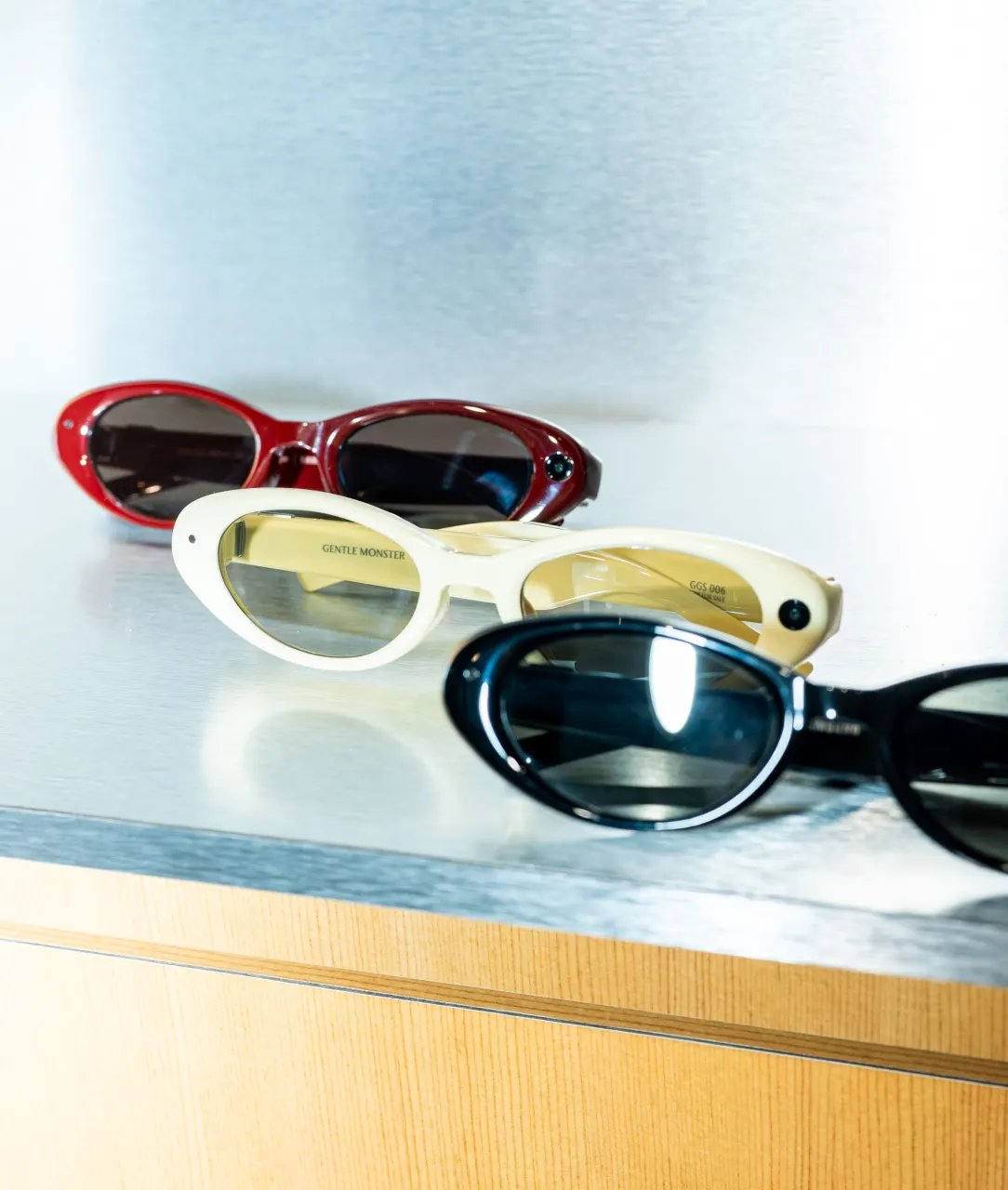
Google says its upcoming Android XR smart glasses are designed to address concerns that discreet cameras can enable recording without people’s knowledge or consent. The glasses, made with Samsung, Warby Parker and Gentle Monster, are available to preorder, with sales due to begin on 10 December.
Google says the glasses have a power switch, a recording light and a 90-second limit on video recording. Camera visuals used by Gemini are not saved in Gemini History or used for AI training or ad targeting, and are encrypted; third-party apps need camera permission and cannot use it for real-time face recognition or social livestreaming. The glasses are also designed to stop recording if the indicator light is blocked or tampered with, redact background faces before Gemini processes images, and filter nearby voices. Users must agree not to record people without permission or in sensitive places.
In short
- Google is positioning its smart glasses as a privacy-minded alternative.
- Video recording is limited to 90 seconds and marked by a light.
- Gemini visuals are not saved in history or used for AI training.
Steelman: both sides, in good faith
The strongest fair case each way — we don't pick a winner.
The case for
Visible recording lights, a physical power switch and a short recording limit could make covert filming harder while still allowing useful hands-free features. Encryption, limits on data retention and restrictions on third-party camera access also address privacy risks, and the rules place responsibility on users to seek consent.
The case against
Even with safeguards, discreet cameras can capture people who have not agreed to be recorded, and an indicator light may not be noticed or may fail to reassure bystanders. The protections depend partly on design working as intended and users following the rules; people nearby may have little control over recording or over how images are processed.