Here’s how much the iPhone Pro cost in 2019 vs. 2026
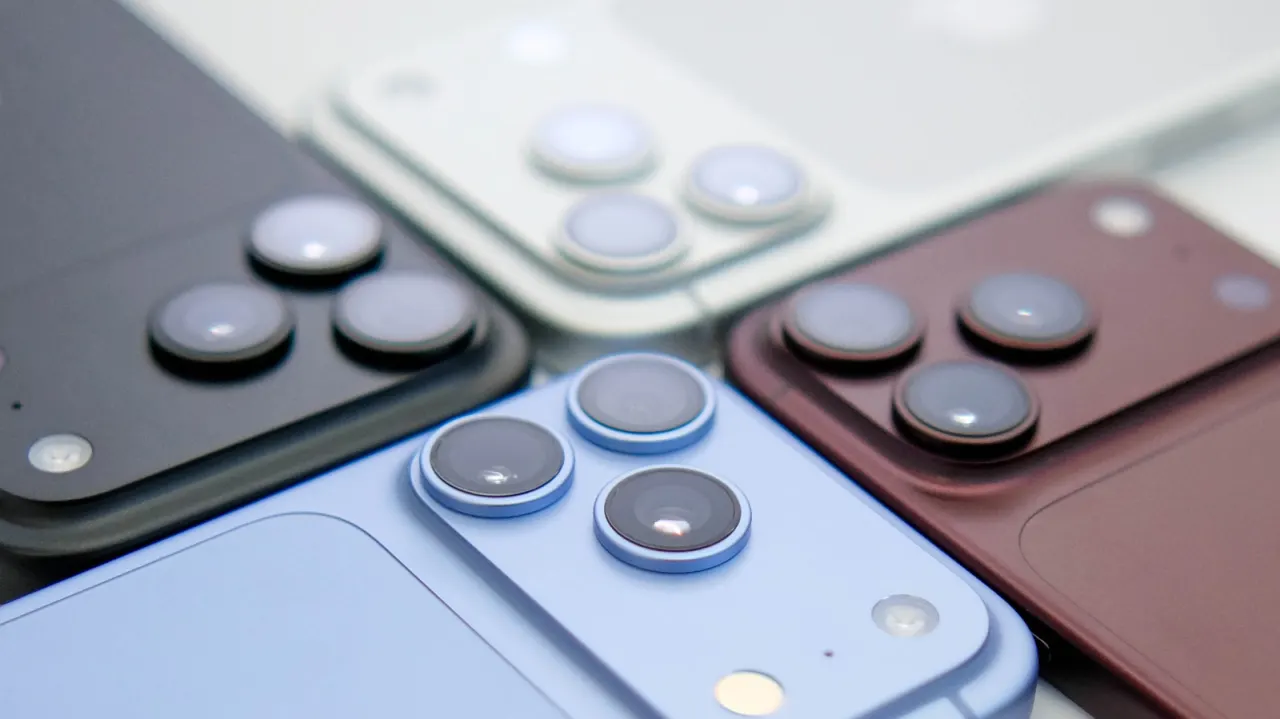
Apple’s base iPhone Pro has risen in price from $999 in 2019 to $1,199 in 2026, a $200 increase. The comparison highlights how the price of Apple’s premium phones has changed alongside new features and rising component costs.
The iPhone 11 Pro’s starting price covered 64 GB of storage, while the iPhone 18 Pro starts at $1,199 with 256 GB. The newer model adds a 2nm A20 Pro chip, a variable-aperture main camera and a larger cooling chamber; its price is also $200 above the iPhone 16 Pro’s starting price two years earlier. The article links recent increases to high RAM and component costs.
In short
- Base iPhone Pro prices rose $200 from 2019 to 2026.
- Starting storage increased from 64 GB to 256 GB.
- The iPhone 18 Pro adds new camera and performance features.
Steelman: both sides, in good faith
The strongest fair case each way — we don't pick a winner.
The case for
The higher price can be justified by the iPhone 18 Pro’s expanded capabilities and higher component costs, while its base storage has quadrupled from 64 GB to 256 GB since 2019. On this view, the $200 increase reflects a more capable product and more expensive parts rather than a like-for-like rise in price.
The case against
The $200 increase is still a meaningful rise in the cost of Apple’s premium phone, and added storage and features do not necessarily matter equally to every buyer. The increase over the iPhone 16 Pro in just two years may also raise concerns about affordability and whether component costs fully explain the higher price.
Explained simply
Apple sells iPhones in several ranges, with the Pro models positioned as its higher-end phones. Their prices reflect not only the amount of storage included but also the hardware and components used inside them.
Comparisons over time can be affected by changes in what a base model includes: the iPhone 11 Pro started with 64 GB of storage, while the iPhone 18 Pro starts with 256 GB. Apple’s newer Pro models also add updated chips, cameras and cooling systems, while the cost of components such as memory can influence prices.
The comparison matters to people weighing the cost of upgrading or buying into Apple’s premium range. It also shows why a headline price increase does not, on its own, capture changes in storage or features.