Here’s how Nintendo missed the mark with the GameCube console
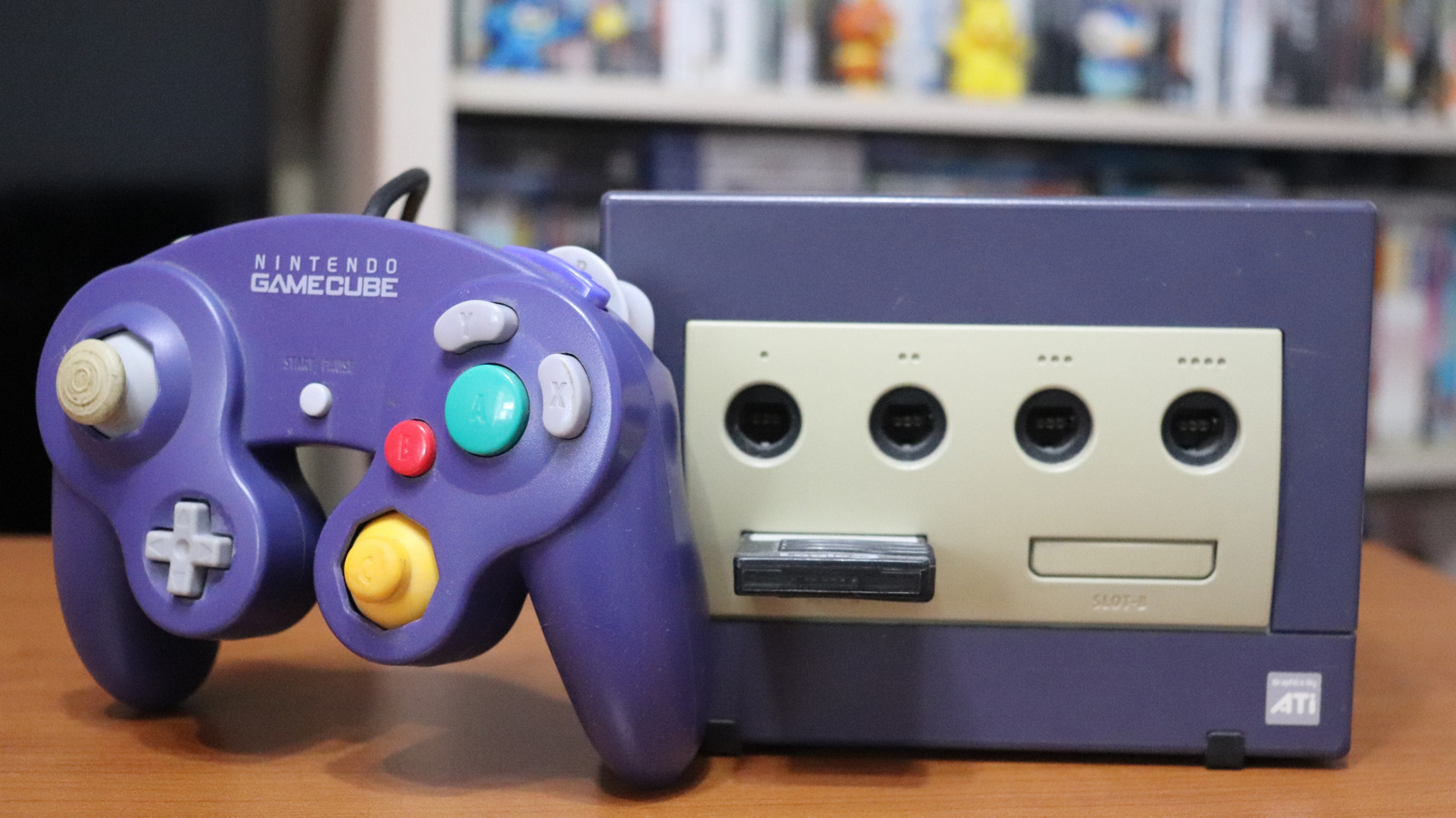
This Engadget retrospective examines why Nintendo's GameCube, launched in the early 2000s, became the company's second worst-selling console, and highlights the design and business decisions that undermined it despite genuine strengths. The piece argues the console's failure stemmed from a mix of image problems, hardware compromises and format choices that put it at a disadvantage against rivals Sony and Microsoft.
The GameCube sold only 21.74 million units, behind every Nintendo console bar the Wii U and Virtual Boy. While its compact, handled design and four-player local multiplayer suited titles like Super Smash Bros. Melee and Mario Kart: Double Dash!!, its bright colours made it look childish to an audience that had matured since the NES and SNES eras, and its unconventional controller drew persistent criticism. Nintendo's choice of the proprietary GameCube Optical Disc, holding just 1.47GB versus the 4.7-8.5GB of DVDs used by PS2 and Xbox, limited game content quality and, crucially, meant the console couldn't double as a DVD player, costing it a lucrative revenue stream enjoyed by its competitors.
- GameCube was Nintendo's second worst-selling console at 21.74 million units.
- Its bright, toy-like design and awkward controller alienated maturing gamers.
- Proprietary low-capacity discs limited content and blocked DVD playback.