Politics news and discussion on TalkFuse.
Heritage Monday at the Locarno Film Festival Sees a Future in the Past
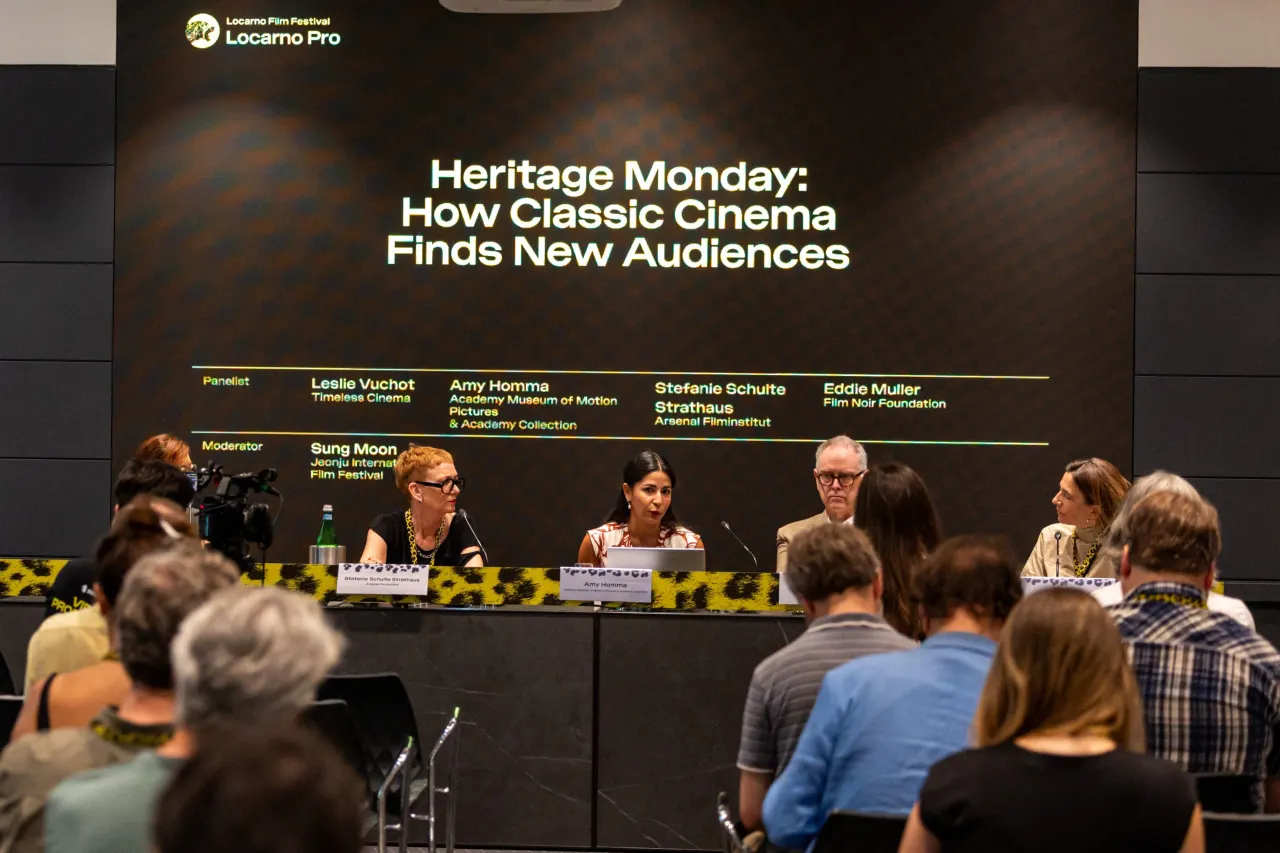
At the Locarno Film Festival's industry programme, this year's Heritage Monday panel tackled how to draw younger audiences to older, classic films, amid growing interest in restoration and retrospective programming. Panellists including Leslie Vuchot (Timeless Cinema), Amy Homma (Academy Museum of Motion Pictures), Stefanie Schulte Strathaus (Arsenal Filminstitut) and Eddie Muller (Film Noir Foundation) argued that young cinemagoers are actively seeking out black-and-white and archival films to understand cinema's roots, rather than avoiding them.
Panellists described practical strategies for engagement: Muller recreates mid-20th-century cinema experiences with double features and ushers, and takes school groups to festivals, noting that even a small fraction of students in a class can be deeply moved by seeing films like "To Have and Have Not" on the big screen. Homma highlighted efforts such as bringing a real Dalmatian to a "101 Dalmatians" screening with live-drawing animator sessions, and hosting Guillermo del Toro to discuss Alfred Hitchcock's work using the Academy's archive, framing the approach as meeting audiences "where they're at" despite competition from social media.
In short
- Locarno's Heritage Monday panel discussed engaging young audiences with classic films
- Experts say young people actively seek out older films to learn cinema's roots
- Tactics include themed events, school outreach, and celebrity-led archive talks
Steelman: both sides, in good faith
The strongest fair case each way — we don't pick a winner.
The case for
Young audiences genuinely seek to understand cinema's artistic roots and respond authentically to classic films when given proper theatrical presentation and expert curation. The panel's successful strategies demonstrate that this audience interest is substantial and real. Investment in restoration, retrospectives, and curatorial programming serves important cultural transmission, preserves cinema's heritage, and develops informed cinemagoers who understand their artistic lineage.
The case against
Whilst film preservation is worthwhile, the extensive special programming required—celebrity guests, live elements, elaborate contextual framing—suggests that classics lack inherent appeal to most young audiences without substantial embellishment. Given the film industry's finite resources, investment might be better directed toward supporting emerging filmmakers and contemporary voices that could more directly engage young audiences whilst building cinema's future rather than emphasising historic achievements.
Explained simply
Film heritage programmes show older films through screenings, retrospectives and restored versions. Restoration work aims to preserve films and make them available to new audiences, while festivals and museums provide settings to watch and discuss them.
The Locarno Film Festival is an annual film event in Switzerland, and its industry programme brings together people working in cinema. The panellists in this discussion came from organisations that preserve, screen or promote film history, including the Academy Museum of Motion Pictures and the Film Noir Foundation.
Their work raises a broader question for cinemas, festivals and museums: how can classic films connect with younger viewers? Screenings, school visits and events linked to a film can give audiences ways to encounter older cinema and learn about its place in film history.
Elections Entertainment Film Politics Space Technology