New releases, music videos and album news — indie, rap, rock and pop. Always covering Ren, Chris Webby, Sam Tompkins, bbno$, CHINCHILLA, Muse, Yungblud and more.
Jean-Luc Godard dismissed Quentin Tarantino despite his admiration for him
Developed over time first seen 2 months ago
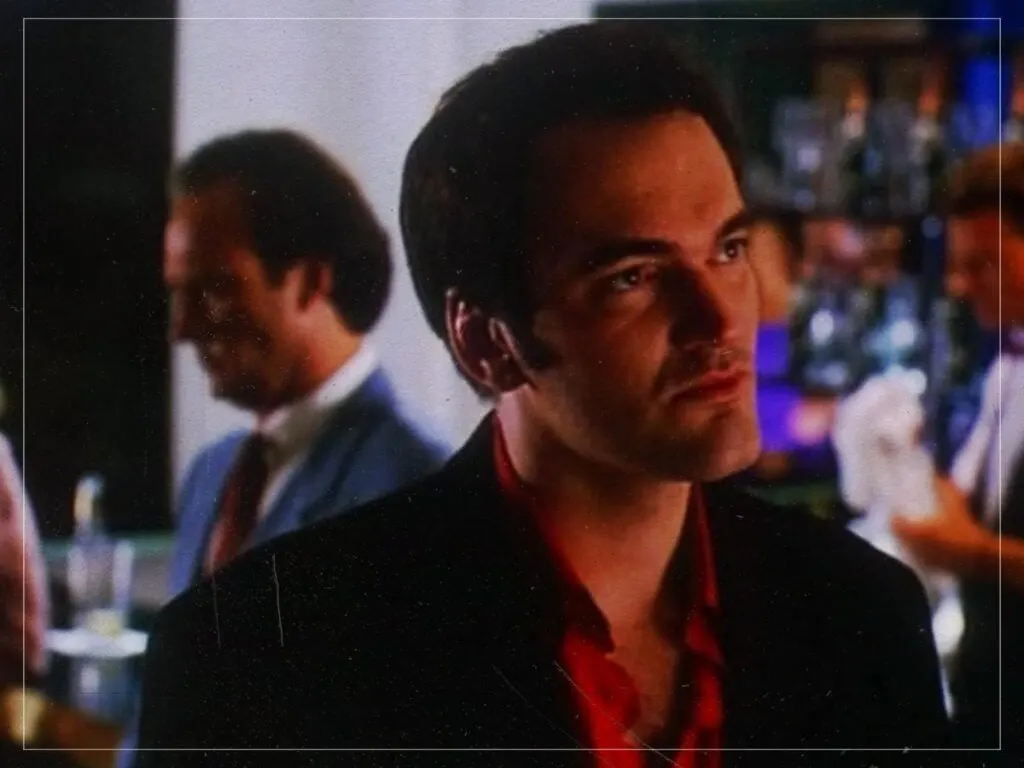
Quentin Tarantino held French New Wave director Jean-Luc Godard in such high regard that he named his production company after Godard's 1964 film Bande à part and consistently cited him as a paramount creative influence, particularly during the making of Reservoir Dogs. Yet Godard utterly rejected the younger filmmaker's admiration, dismissing Tarantino as "a knave" and "a pathetic boy" when questioned about his role in inspiring him. This starkly lopsided relationship demonstrates how artistic giants don't necessarily reciprocate the esteem of those they inspire, and it established an antagonistic dynamic between the two directors that would persist until Godard's death in September 2022.
When Godard was directly asked about Tarantino's obvious veneration, he gave a blunt rejection: "No, absolutely not," before comparing him to a type of person from the 18th century whom society "hated" but had since learnt to tolerate. For Tarantino in the early 1990s, discovering that the transformative director who had shaped his artistic vision held him in such contempt must have been particularly difficult, given how central Godard remained to his creative identity and filmmaking approach.
- Sources
- 2
- Outlets
- 2
- Left · Centre · Right
- 0 · 0 · 0
In short
- Tarantino idolised Godard and named his company after the French maestro's 1964 film
- Godard rejected him entirely, calling him "a knave" and "pathetic boy"
- The creative rivalry defined their relationship until Godard's 2022 death
How this story developed
- 2 months ago The contempt Godard displayed proved particularly striking given that Tarantino's directorial vision had been fundamentally shaped by Godard's work, with this influence most evident in his breakthrough film Reservoir Dogs.
- 2 months ago When asked in the early 1990s about inspiring Tarantino, Godard's harsh response established an antagonistic relationship between the two directors that endured until his death in September 2022.
- 2 months ago Quentin Tarantino held Jean-Luc Godard in such high regard that he named his production company after the French New Wave director's 1964 film Bande à part, yet Godard utterly rejected his admiration, dismissing him as "a knave" and "a pathetic boy."
Full account
Despite achieving remarkable commercial success and establishing himself as an innovative force in contemporary filmmaking, Quentin Tarantino has consistently encountered resistance from cinema's older guard. The screenwriter's prolific output and self-assured public persona have not endeared him to all quarters of the film world, particularly amongst directors whose work predates his emergence as a major Hollywood figure.
Perhaps most notably, French New Wave pioneer Jean-Luc Godard rejected any connection with Tarantino, despite the younger filmmaker's enthusiastic identification with Godard's aesthetic and influence. When informed of his status as a creative touchstone for Tarantino—whose production company bore the name of a Godard work—the elderly director responded with undisguised contempt. Godard deployed archaic terminology and harsh personal characterisations to express his fundamental disdain, suggesting such individuals would have faced hostility in earlier centuries. His response reflected complete disinterest in Tarantino's artistic merit and professional trajectory.
The tensions proved reciprocal. Tarantino himself has articulated significant reservations about the creative legacies of previous-generation filmmakers. In exchanges with French director Bertrand Tavernier, Tarantino expressed substantial doubt regarding the consistency and overall quality of John Huston's prolific directorial output. The criticism extended beyond stylistic disagreement, questioning whether such diverse career choices reflected genuine artistic vision or instead represented creative scatter.
These instances of mutual professional antagonism illuminate broader philosophical differences between Tarantino and classical Hollywood's older generation. Rather than isolated disputes, they suggest fundamental disagreements about artistic merit, career consistency, and standards for evaluating cinematic excellence. By Godard's death in 2022, their relationship had solidified into documented hostility, exemplifying a generational divide within cinema regarding how directors should conduct their careers and present themselves publicly.
Where outlets differ
From the full account, which is AI-written from the sources:
SOURCE 1 focuses exclusively on Godard's personal rejection, whilst SOURCE 2 broadens to show reciprocal criticism from Tarantino himself
SOURCE 1 emphasises harsh personal language and emotional disdain, whereas SOURCE 2 frames disagreement in professional and creative consistency terms
SOURCE 1 presents an established figure dismissing a newcomer; SOURCE 2 reverses this dynamic to show the rising star challenging the establishment
SOURCE 1 concentrates on one relationship; SOURCE 2 suggests a pattern of tension between Tarantino and older filmmakers
Explained simply
Jean-Luc Godard was a French film-maker and a leading figure in the French New Wave, a movement that challenged established ways of making films. Quentin Tarantino is an American director whose early work, including Reservoir Dogs, drew on influences from earlier cinema.
Tarantino named his production company A Band Apart after Godard’s film Bande à part and spoke of Godard’s importance to his work. Godard’s dismissive view of Tarantino illustrates that influence and admiration between artists are not always mutual.
Coverage · 2 sources
Read the full article at the source →
Originally published by Far Out as ““He’s a knave”: the director who couldn’t stand the sight of “pathetic boy” Quentin Tarantino”.