RFK Jr and CNN’s Dana Bash clash over vaccine claims
Developed over time first seen 2 months ago
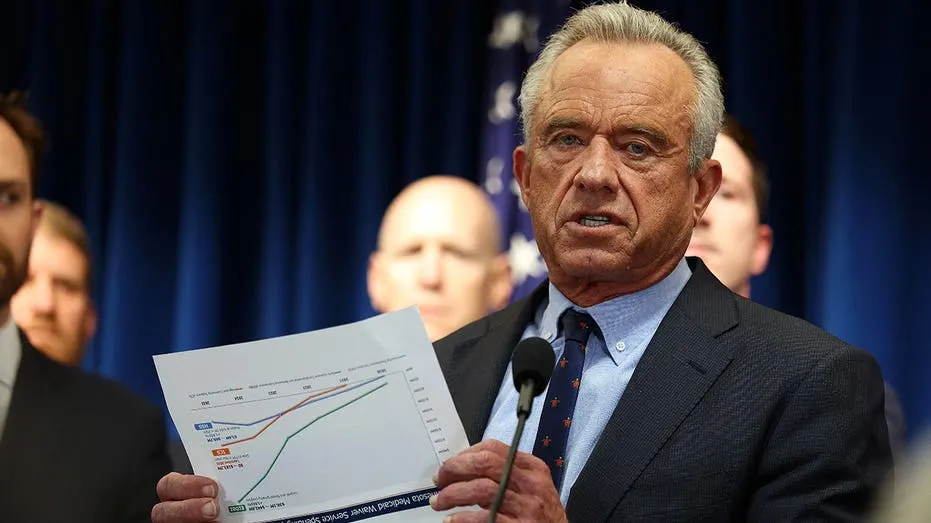
Health and Human Services Secretary Robert F. Kennedy Jr. and CNN anchor Dana Bash clashed publicly during a State of the Union interview, in an exchange that turned heated as the pair discussed COVID-19 policy, vaccines and unproven claims linking vaccines to autism. The confrontation escalated when Kennedy dismissed Bash's questioning, suggesting she lacked the scientific grounding to challenge his views, a moment that fed into wider debate about how senior health officials engage with the press on contested public health issues.
The clash coincided with renewed scrutiny of former US health official Dr Anthony Fauci, after the release of personal diary entries and emails that reignited debate over pandemic-era decision-making and media coverage. Reaction split along familiar lines, with some commentators praising Kennedy for pushing back against what they characterised as alarmist reporting, while others accused him of deflecting legitimate scrutiny of his record on vaccine science.
- RFK Jr and CNN's Dana Bash clashed on air over vaccines and autism claims
- Kennedy questioned Bash's scientific credentials during the heated exchange
- Row coincided with renewed scrutiny of Fauci's pandemic-era diaries and emails
New here? Start with this
RFK Jr, formally Robert F. Kennedy Jr, is the current US Health and Human Services Secretary, the cabinet official responsible for federal health policy, including vaccine guidance. Dana Bash is a CNN anchor known for hosting political interviews, including the network's State of the Union programme. The two spoke on air about COVID-19 policy and vaccines, a topic that has been politically divisive in the US for several years, particularly around claims of a link between vaccines and autism that most scientific research has not supported.
Kennedy has long been known for questioning mainstream positions on vaccine safety, views he held before taking up his current role overseeing US public health agencies. His appointment made his approach to vaccines a matter of significant public interest, since it affects official guidance and policy affecting millions of Americans.
The wider context involves renewed attention on Dr Anthony Fauci, the former top US infectious disease official who became a prominent, and often contested, public figure during the pandemic for his role advising on lockdowns, vaccines and other measures. Newly surfaced personal records relating to Fauci have reopened debate about how the pandemic was handled and reported, feeding into broader arguments about trust between government health officials and the media.
Both sides, in good faith
The strongest fair case each way — we don't pick a winner.
The case for
Kennedy's defenders argue that as HHS Secretary he has both the standing and the responsibility to challenge media framing he believes has been one-sided or insufficiently sceptical of official pandemic narratives, pointing to genuine scientific debate that persists around vaccine safety monitoring and transparency. They see his combative stance with Bash as pushing back against what they view as journalists uncritically deferring to establishment health voices, arguing that robust, even uncomfortable, questioning of orthodoxy is healthy for public trust rather than something to be suppressed. For them, his frustration reflects a legitimate grievance that reporters often lack deep technical expertise yet treat their own framing as beyond challenge.
The case against
Critics argue that a sitting HHS Secretary dismissing a journalist's right to question him, rather than engaging substantively with her queries, sets a troubling precedent for transparency and accountability from the nation's top health official. They contend that suggesting a reporter is unqualified to ask about public health policy sidesteps legitimate scrutiny that comes with the office, particularly given that vaccine-autism links have been extensively studied and not supported by scientific consensus. For them, robust press questioning of officials, however uncomfortable, is a cornerstone of democratic accountability, and dismissiveness from someone overseeing national health policy risks further eroding public confidence in institutions rather than restoring it.