Hidden danger in cockpit surfaces as 3 in 4 pilots report ‘microsleep’ episodes
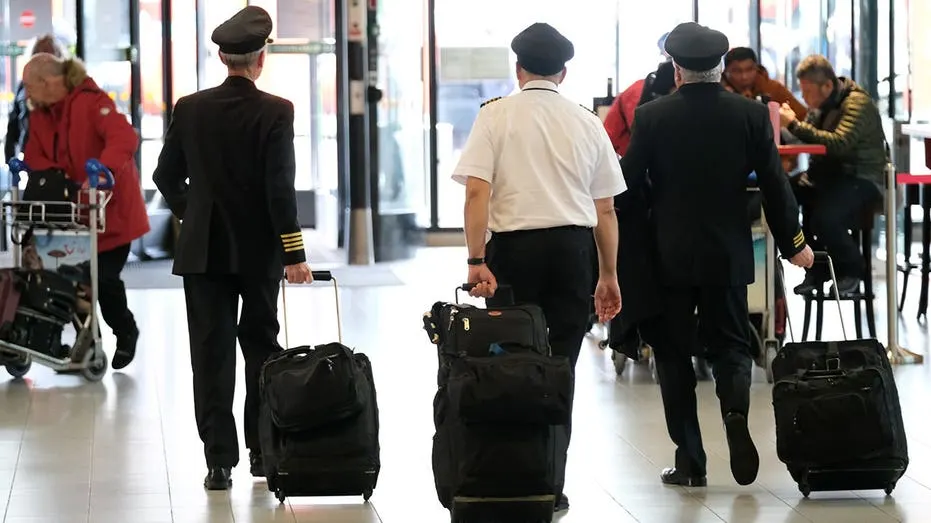
A survey of 7,200 pilots across 32 European countries found that more than three in four had experienced at least one episode of microsleep while operating an aircraft in recent weeks. The findings raise concerns about fatigue and aviation safety, particularly because many pilots may not report when they feel too tired to fly.
Nearly 39% said they usually or always lacked enough rest to prevent fatigue building up; 37.2% said they typically report being too fatigued, while 24.2% said they fly without reporting it. The European Cockpit Association said fear of career consequences may discourage reporting. In the US, FAA rules require at least 10 consecutive hours of rest before duty, including the chance for eight uninterrupted hours of sleep, and say fatigued pilots must be removed from duty.
In short
- More than three in four surveyed pilots reported microsleep.
- Nearly 39% said they often lacked enough rest.
- Reporting fatigue may be discouraged by career concerns.
Steelman: both sides, in good faith
The strongest fair case each way — we don't pick a winner.
The case for
The survey suggests fatigue may be a serious safety risk, especially if pilots experience microsleeps and feel unable to report that they are unfit to fly. Advocates of stronger fatigue protections would argue that reporting must be safe and practical, with adequate rest and staffing, because aviation depends on crews being alert and able to raise concerns without fear of career damage.
The case against
A survey, even a large one, cannot by itself establish how often microsleeps occur across all pilots or how much they affect flight safety; responses may depend on how questions were framed and answered. Those wary of sweeping changes could argue that fatigue rules should be guided by robust evidence and operational context, since stricter limits or reporting requirements may disrupt schedules without addressing underlying causes unless they are carefully designed.
Explained simply
Pilots work under strict duty and rest rules because tiredness can affect concentration, judgement and reaction times. A microsleep is a very brief, involuntary spell of sleep; in a cockpit, even a short lapse in attention can matter.
The European Cockpit Association represents pilots across Europe and has raised concerns about fatigue and whether pilots feel able to report it. Airlines and aviation regulators set and enforce rules on rest and fitness for duty, though the details differ between countries.
In the United States, Federal Aviation Administration rules require a minimum rest period before duty and say pilots who are too tired to fly must be taken off duty. How fatigue is reported and managed matters because safety depends on pilots being fit to operate an aircraft and on concerns reaching the people responsible for scheduling and oversight.