World news and discussion on TalkFuse.
Hinge users seek $1.7B class-action lawsuit over unexplained ban of males
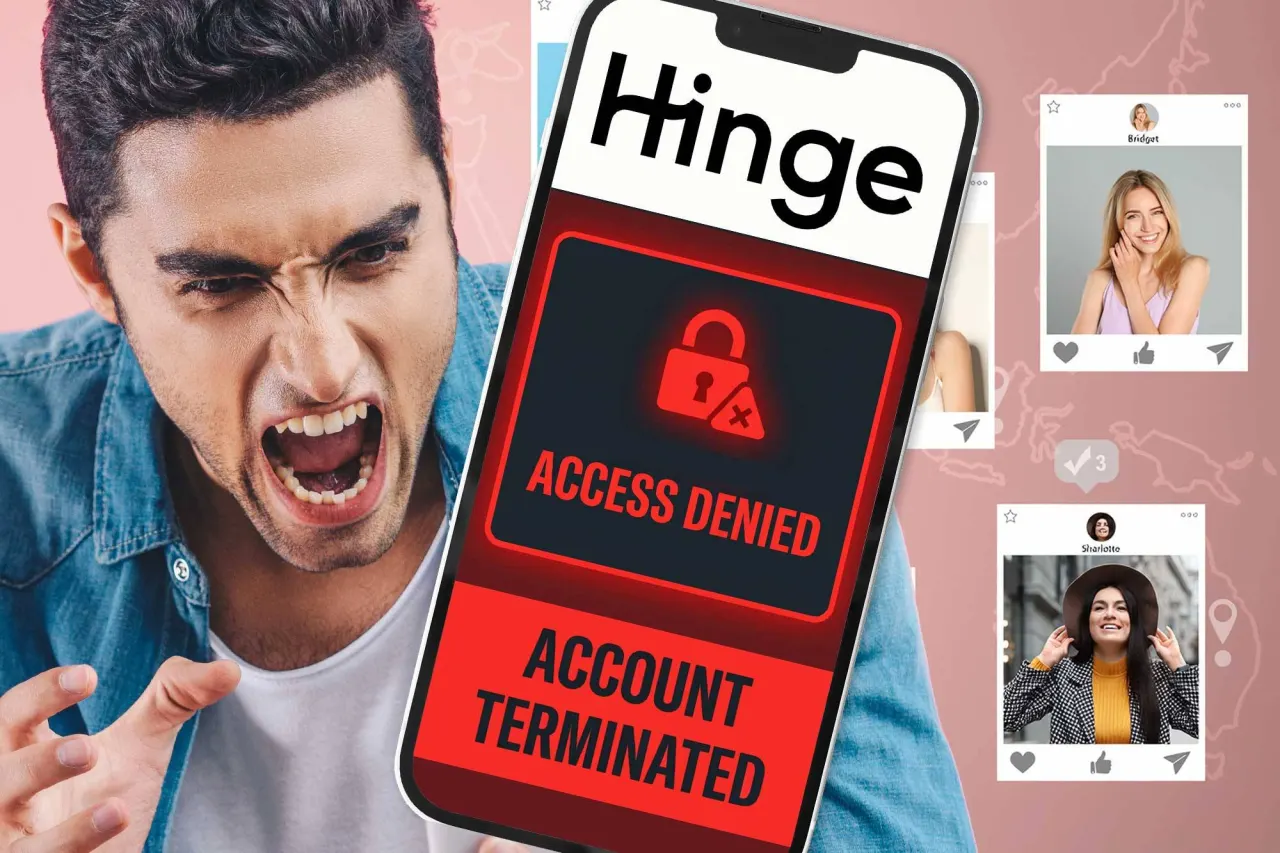
A proposed $1.7 billion class-action lawsuit accuses Hinge of unfairly banning users, particularly men and racial minorities, without clear explanations, meaningful appeals or refunds. The New York complaint says the alleged practices affect potentially hundreds of thousands of people and calls for scrutiny of the app’s moderation system and refund policies.
The plaintiff, identified as GI, says he paid about $500 a month before being banned and having his appeal rejected without explanation. About 60% of Hinge’s roughly 30 million users are men; the Better Business Bureau recorded around 17,100 complaints about Hinge over three years, many concerning unexplained account terminations or refunds. Hinge says gender does not affect enforcement and accounts are reviewed independently, while a dating expert cited in the article questions whether the appeal process offers a fair chance to contest bans.
In short
- Lawsuit seeks $1.7 billion over alleged unfair Hinge bans.
- Plaintiff says his appeal was rejected without explanation.
- Hinge denies gender affects its enforcement decisions.
Steelman: both sides, in good faith
The strongest fair case each way — we don't pick a winner.
The case for
Paying users are entitled to a clear reason when a service they subscribe to terminates their account, and to a meaningful appeal that engages with that reason rather than a rejection with no explanation. Roughly 17,100 complaints recorded by the Better Business Bureau, along with allegations of disproportionate effects on men and racial minorities, suggest that the process deserves independent scrutiny. Where a subscription has been paid for and then cut off, refund policies that leave users out of pocket are a legitimate matter for the courts to consider.
The case against
Dating platforms face constant pressure from scammers, bots, harassment and fake profiles, and publishing the precise criteria for enforcement could help bad actors evade detection. Automated systems operating at scale will inevitably produce some errors, but a high number of complaints does not by itself show that bans are wrongful, since many users may have breached the terms they agreed to. Hinge states that gender does not influence enforcement and that accounts are reviewed independently, and a class action may be a blunt instrument for addressing questions better handled through targeted regulation or voluntary improvements to appeals.