World news and discussion on TalkFuse.
Historic $25B loan fund to rescue cash-strapped California homebuyers is approved —but nobody knows how it works
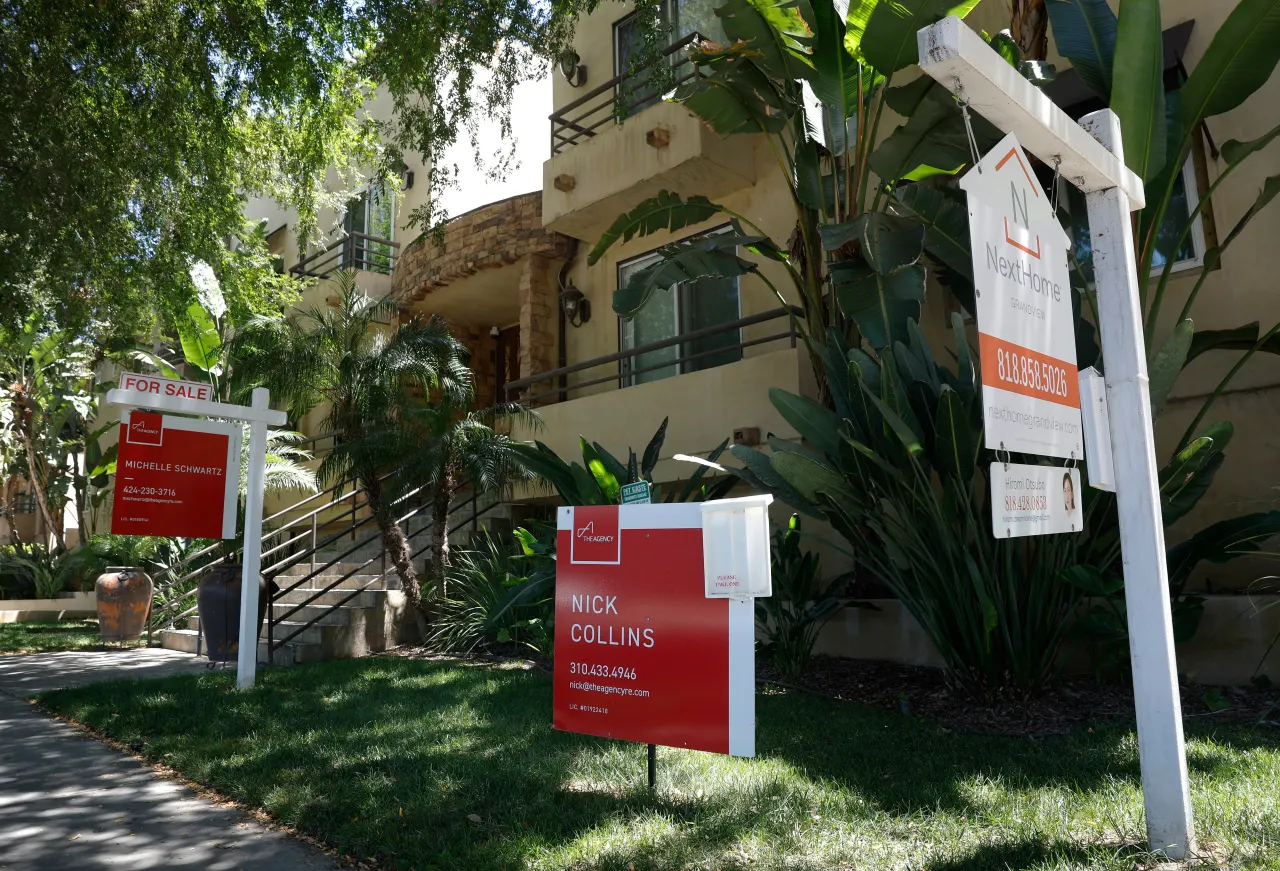
California voters have approved Proposition 37, creating a homebuying assistance programme intended to help middle-income residents who can manage mortgage payments but lack a large deposit. It could let eligible buyers put down 3% rather than the usual 20%, though details of how the scheme will be administered remain unclear.
The California Housing Finance Agency could borrow up to $25 billion from private investors by selling bonds, then provide fixed-rate loans covering as much as 17% of a home’s price. The home must be newly built or converted, and price limits range from about $1 million inland to $1.5 million in Los Angeles, Orange County and the Bay Area; eligible buyers can earn up to twice their local median income. About 60% voted in favour, while opponents argue the state should not lend mortgages and the scheme will not address the causes of high housing costs.
In short
- Voters approved a California homebuyer loan programme of up to $25 billion.
- Eligible buyers could put down 3% on qualifying newly built homes.
- The scheme’s administration and impact on housing costs remain uncertain.
Steelman: both sides, in good faith
The strongest fair case each way — we don't pick a winner.
The case for
Supporters can argue that the programme targets a specific barrier: households able to afford monthly mortgage payments may still be shut out because they cannot save a large deposit. Letting eligible buyers borrow part of that deposit could widen access to home ownership, particularly for middle-income residents, while the new-build requirement may direct support towards additional housing.
The case against
Opponents can argue that public borrowing to help people bid for homes risks increasing demand without tackling the limited supply and other causes of high prices, potentially making affordability worse. They may also question whether the state should take on substantial debt and mortgage-related risks for a scheme whose administration and likely effects remain unclear.
Explained simply
California’s housing costs have made it difficult for many people to save the deposit needed to buy a home. A deposit is the part of the price paid upfront, while a mortgage covers the rest; buyers who put down less may face higher borrowing costs.
The proposed programme is aimed at middle-income buyers who can afford mortgage payments but have limited savings. It would use money borrowed by the state housing agency to offer loans towards deposits on certain newly built or converted homes, with income and price limits.
Supporters say help with deposits could make buying possible for more residents. Critics question whether the state should lend in this way and argue that deposit assistance does not tackle the reasons homes cost so much.