World news and discussion on TalkFuse.
BBC edits to Horrible Histories episodes draw censorship criticism
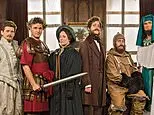
The article reports that the BBC has removed or edited episodes of *Horrible Histories* on iPlayer, prompting criticism from the author, who argues the changes amount to unnecessary censorship. The affected sketches use comic exaggeration to satirise Victorian child labour, Roman galley ships and chimney sweeps, and the article says their historical subject matter and humour are central to the programme.
The BBC said edits are made case by case to meet its editorial guidelines and reflect current audience expectations, adding that the practice is common across the industry. The article says the process is reportedly discussed with programme makers, but it is unclear whether complaints prompted the changes; author Terry Deary declined to comment. The passage provided also compares the edits with earlier BBC decisions concerning *The League of Gentlemen*, *Little Britain* and *Fawlty Towers*.
In short
- BBC has edited or removed *Horrible Histories* sketches from iPlayer.
- The sketches satirise historical practices including child labour.
- The BBC cites editorial guidelines and present-day audience expectations.
Steelman: both sides, in good faith
The strongest fair case each way — we don't pick a winner.
The case for
The BBC's editing and removal of episodes represents unnecessary censorship that undermines the programmes' educational and satirical purposes. The sketches' humour and exaggeration are integral to how they communicate serious historical lessons about injustice, and altering them retroactively compromises the creator's artistic vision. Revising completed works based on shifting sensibilities sets a troubling precedent that erases the historical record and denies audiences the opportunity to engage with the full original context.
The case against
The BBC's editorial adjustments represent appropriate responsibility for a public broadcaster accountable to contemporary audiences, not censorship. Consulting with creators about case-by-case modifications reflects thoughtful curation that balances historical programming with modern community standards and evolving audience expectations. These industry-standard practices allow important programmes to remain accessible whilst maintaining the BBC's accountability to current viewers and editorial guidelines.
Explained simply
Horrible Histories is a BBC television programme that teaches history to young audiences through comedy sketches and dramatic recreations. The show is known for using exaggerated humour and satire to cover serious historical topics including child labour, ancient Rome and chimney sweeps, making history entertaining whilst highlighting actual events. It has been popular with viewers for its approach of combining education with humour.
The BBC periodically reviews programmes in its archive and makes edits or removes episodes when it judges them to no longer meet its editorial guidelines. Similar decisions have affected other comedy programmes in recent years, reflecting how broadcasting standards and audience expectations can change over time. The BBC typically consults with programme makers before making such changes to their work.
When well-established programmes undergo edits, it raises questions about the balance between updating content for modern values and preserving creative work as originally made. The show's creator, Terry Deary, has questioned whether these changes are necessary, whilst the BBC maintains that its editorial guidelines require regular review of older material. These discussions are particularly important for educational programmes, where there may be genuine disagreement about what serves audiences best.
Read the full article at the source →
Originally published by Daily Mail as “History WAS horrible, so what gives the BBC’s cultural commissars the right to censor Horrible Histories?”.