Video games news, releases, esports and culture — all the biggest gaming stories in one place.
Hit markers are an FPS crutch
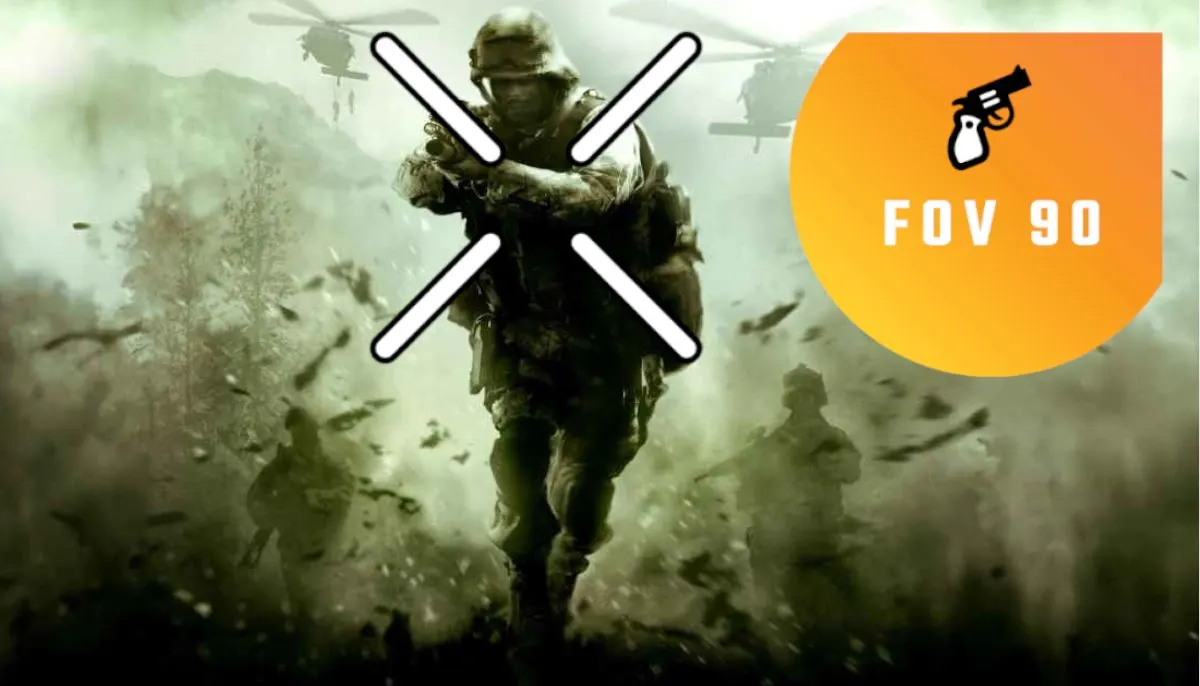
The article argues that hit markers have become an unnecessary crutch in first-person shooters, giving players immediate confirmation that a shot connected instead of requiring them to read enemy reactions, audio cues or visual feedback. It suggests this design choice can reduce tension and weaken the satisfaction of mastering a game’s combat systems.
The author frames hit markers as a convenience feature that has spread widely across modern FPS games, including those seeking a more realistic or immersive style. While they can improve clarity and accessibility, the piece contends that developers should rely more on strong animation, sound and weapon feedback rather than a universal on-screen indicator.
In short
- Hit markers provide instant confirmation of successful shots.
- The article argues they undermine FPS immersion and skill.
- Better audiovisual feedback could replace them.
Steelman: both sides, in good faith
The strongest fair case each way — we don't pick a winner.
The case for
Hit markers remove a skill gap by providing instant mechanical feedback that reduces the need for players to read enemy reactions, audio cues and visual animations, thereby diminishing the tension and satisfaction that comes from mastering combat systems through learned observation and timing. This convenience feature has become so habitual that it persists even in games designed for immersion or realism, when strong animation and sound design could convey hit confirmation more naturally. The most compelling gaming experiences reward learned skill and pattern recognition rather than explicit UI confirmation.
The case against
Hit markers serve crucial accessibility functions for players with sensory processing differences or hearing impairments, whilst maintaining competitive integrity in online multiplayer by reducing the cognitive load and network uncertainty inherent to determining whether shots truly registered. The skill ceiling remains determined by positioning, aim and game sense rather than interface feedback; hit markers are additive information that doesn't prevent expert players from relying on traditional cues. Dismissing them as a crutch risks excluding less experienced and differently-abled players from competitive gaming.
Explained simply
First-person shooters are games in which players see the action through their character’s eyes and use weapons to fight opponents. A hit marker is a small on-screen sign that appears when a shot lands, giving immediate confirmation that the target was hit.
Game makers use these markers to make combat clearer, though players can also judge a hit from sounds, animations or other visual clues. How much feedback a game provides can affect its feel, including how easy it is to follow a fight and how satisfying it is to learn its combat systems.