World news and discussion on TalkFuse.
HMRC installs sirens and blue lights on fleet of unmarked cars used by fraud investigators
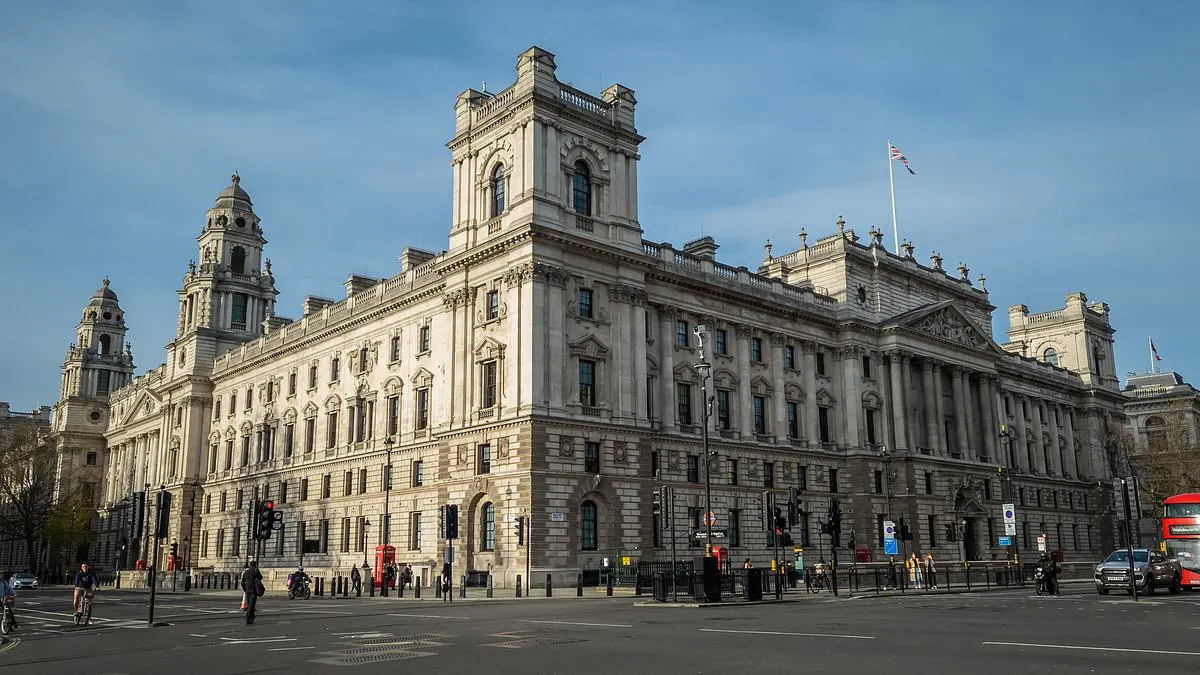
HM Revenue and Customs fitted sirens and blue lights to a small trial fleet of unmarked cars used by fraud investigators, saying the equipment was intended to protect officers and the public during serious enforcement work. The trial found its use appropriate for safety, but HMRC said no such vehicles are currently in use, and its current interpretation of the law does not permit the equipment for this purpose.
The department said the equipment could be used during interventions and, in limited circumstances, surveillance. HMRC has had legal powers to fit emergency equipment since 2005 and previously used blue lights on liveried vehicles in Northern Ireland for overt work with police. A £179,000 contract was awarded to Halls Electrical to fit warning equipment and event data recorders; a Taxpayers’ Alliance researcher called for stronger safeguards and oversight.
In short
- HMRC trialled sirens and blue lights on a small number of unmarked cars.
- The trial deemed them suitable for safety, but none are currently in use.
- A £179,000 contract covered equipment and data recorders.
Steelman: both sides, in good faith
The strongest fair case each way — we don't pick a winner.
The case for
Emergency warning equipment could help fraud investigators respond safely during serious enforcement work, particularly when officers or the public face immediate risks. HMRC says its trial found the equipment appropriate for safety, and its past use on marked vehicles in joint police work offers a precedent; clear legal authority and training could support carefully limited use.
The case against
Blue lights and sirens can confer exceptional powers and may make surveillance or enforcement harder to distinguish from emergency response, raising concerns about misuse, accountability and public trust. Given the scale of the fitting contract and the trial’s stated safety findings, critics can reasonably argue that stronger independent oversight and clear limits should be established before such equipment is used.
Explained simply
HM Revenue and Customs (HMRC) is the UK department responsible for collecting taxes and investigating suspected tax fraud. Its investigators may carry out enforcement work, sometimes in plain cars, to avoid drawing attention to an operation.
Blue lights and sirens are generally associated with emergency vehicles and allow them to warn other road users when responding to urgent situations. HMRC has previously used them on marked vehicles in Northern Ireland while working openly with police, and has had legal powers to fit such equipment since 2005.
The issue raises questions about how tax investigators can use emergency equipment, what the law allows and how its use should be overseen. The Taxpayers’ Alliance, a campaigning group, has called for stronger safeguards and oversight.