HMRC to take money directly from bank accounts of tax dodgers
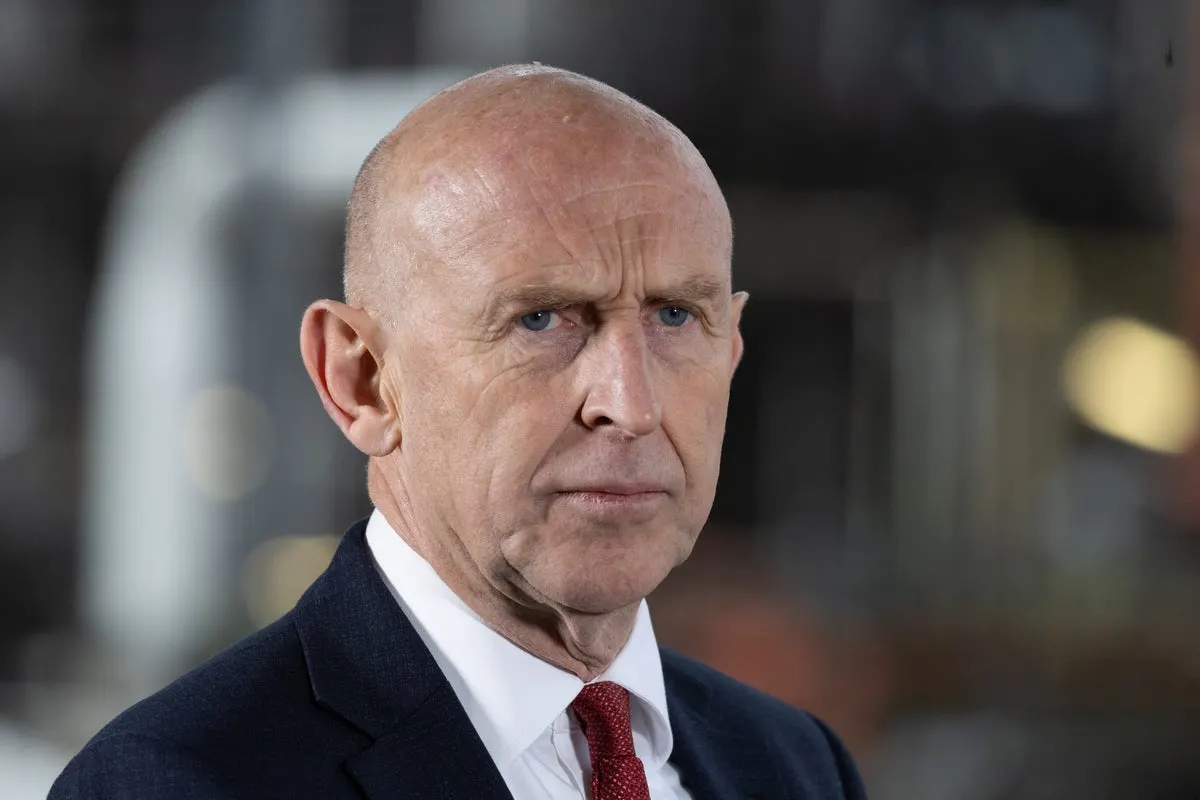
Chancellor John Healey is expected to announce powers allowing HM Revenue & Customs to take money directly from the bank accounts of people who repeatedly fail to pay tax. The proposal aims to recover some of the UK’s estimated £60 billion in tax debt, but has drawn criticism over the risk of targeting people unfairly or leaving them short of money.
HMRC can currently recover debts above £1,000 from accounts if at least £5,000 remains afterwards; the proposed threshold could fall to only a few pounds for repeat tax dodgers, with fines and interest also recoverable. HMRC estimates 4.8 million people and companies owe less than £10,000 each, amounting to about £4 billion, while its debt measures are forecast to bring in £10.7 billion by 2025-26 at a cost of £368 million. The tax technicians’ association says safeguards should be assured before the powers are introduced.
In short
- HMRC may take tax debts directly from bank accounts.
- The minimum threshold could fall for repeat offenders.
- Tax advisers are calling for safeguards.
Steelman: both sides, in good faith
The strongest fair case each way — we don't pick a winner.
The case for
Giving HMRC stronger powers to collect persistent, established tax debts could recover money owed to the public, reduce the cost and delay of pursuing non-payers, and help ensure that people who meet their obligations are not left carrying more of the burden. Supporters could argue that targeting repeat debtors, with fines and interest included, makes enforcement more effective and fairer, provided the debts are verified and people have a chance to challenge mistakes.
The case against
Directly taking money from bank accounts could cause serious hardship if HMRC misjudges a debt, overlooks a dispute or leaves someone without enough for essential costs. Critics can accept the need to collect tax while arguing that lowering the remaining-balance threshold to just a few pounds gives the state a power that needs clear safeguards, independent oversight and an effective route to appeal before it is used.
Explained simply
HM Revenue & Customs (HMRC) is the UK government department that collects taxes, including income tax from people and taxes from businesses. When tax goes unpaid, it can become a debt that HMRC seeks to recover.
The proposed powers concern people who repeatedly fail to pay what they owe. They would build on HMRC’s existing ability to recover some debts from bank accounts, while changing how much money can be left in an account after a recovery.
The issue matters because unpaid tax adds to the public finances, while direct recovery could affect people’s access to money for everyday costs. The debate centres on how to collect debts and what safeguards are needed to prevent unfair hardship.