Entertainment news and discussion on TalkFuse.
Hollywood’s Top-Grossing Films of 2025 Show Limited Progress Toward Inclusion, Study Says: ‘The Pace of Change Has Been Slow’
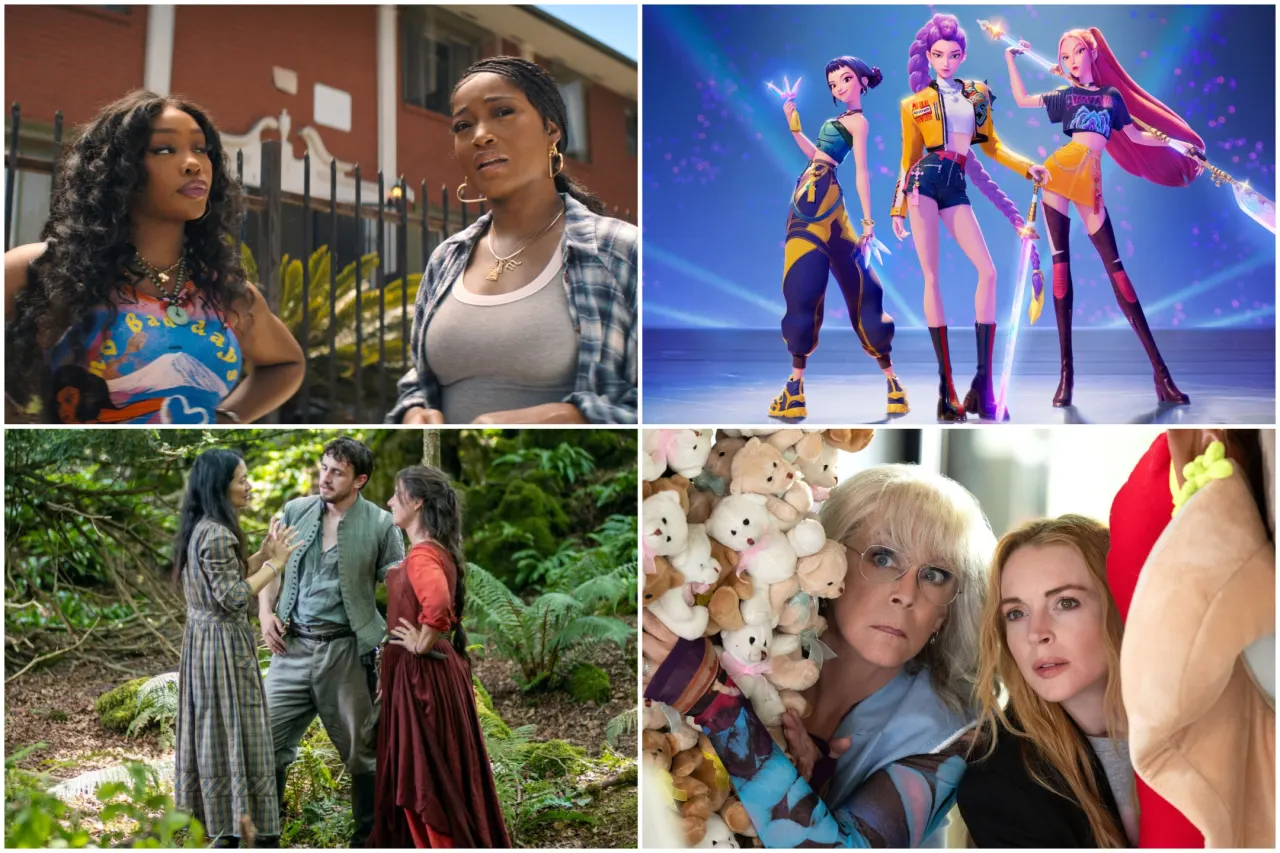
A new Annenberg Inclusion Initiative study finds that Hollywood made only limited progress on representation in its 100 top-grossing films of 2025, with many long-standing inequalities remaining both on screen and behind the scenes. The researchers say the findings matter because, despite nearly two decades of measurement and advocacy, improvements have been incremental rather than sustained across gender, race, LGBTQ+ inclusion and disability representation.
Women and girls accounted for 33.6% of speaking or named characters, compared with 29.9% in 2007, while 38 films had a female lead or co-lead, down from a 19-year high of 55 in 2024. LGBTQ+ characters represented fewer than 1% of speaking roles, with no transgender characters identified; characters with disabilities made up 2.8%. Behind the camera, only nine of the 111 directors of 2025’s top-grossing films were women.
In short
- Inclusion in major 2025 films improved slowly, not consistently.
- Women remained underrepresented in speaking roles and directing.
- LGBTQ+ and disability representation stayed particularly limited.
Steelman: both sides, in good faith
The strongest fair case each way — we don't pick a winner.
The case for
The study presents concrete data showing meaningful underrepresentation across multiple dimensions—women remain a third of characters, LGBTQ+ and disabled people are virtually absent from speaking roles, and only nine female directors helmed the year's biggest films. After nearly two decades of tracking and advocacy, the incremental nature of progress suggests systemic barriers rather than organic change, and these disparities in storytelling shape cultural narratives and opportunity structures for underrepresented groups.
The case against
The film industry operates within market constraints where content decisions reflect audience demand, creative merit, and financial viability rather than demographic targets alone. The 2007-2025 improvement in female character representation, whilst gradual, is measurable progress; the year-to-year variation in female leads likely reflects natural fluctuations in successful script development rather than backsliding. Prioritising diverse stories is valuable, but mandating representation quotas risks compromising creative freedom and may not be the most effective path to authentic, audience-resonant filmmaking.
Explained simply
The study examines who appears in major Hollywood films and who gets to make them. Researchers count speaking or named characters and look at whether women, people from different racial and ethnic backgrounds, LGBTQ+ people and disabled people are represented, as well as the gender of directors.
The Annenberg Inclusion Initiative is a research group at the University of Southern California that has tracked these issues in popular films for many years. Its work is often used to compare the film industry’s stated commitments to diversity with measurable patterns in casting and hiring.
Representation in films can affect whose experiences audiences see on screen and which actors and creators receive opportunities. The findings also matter to studios, investors and campaigners because the biggest box-office releases have wide cultural reach and can influence industry decisions.
Entertainment Film Research Science