Technology news and discussion on TalkFuse.
Hong Kong LGBTQ community carves out space despite obstacles
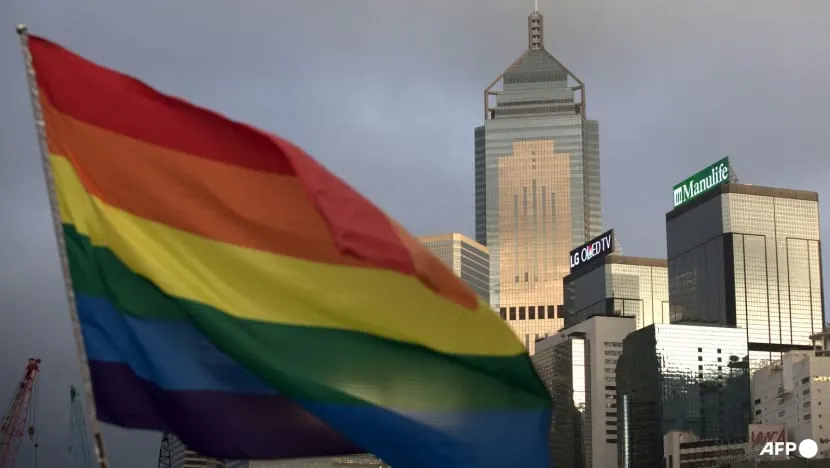
Several hundred people attended a scaled-back indoor LGBTQ pride event in Hong Kong on Saturday, after organisers faced cancellations and a venue withdrawal. The gathering offered a place for community and self-expression as activists say opportunities to hold public events and freedoms in the city are shrinking.
Hong Kong’s pride parade, once attended by tens of thousands, has been on hold for several years, with organisers turning to indoor events. The city’s largest LGBTQ outdoor carnival was cancelled for a second consecutive year, and in September 2025 lawmakers rejected a proposal for limited rights for same-sex couples. The indoor event featured drag performances and stalls run by rights groups, with attendance restricted after its venue changed.
In short
- Several hundred people gathered at a smaller indoor pride event in Hong Kong.
- Outdoor LGBTQ events have faced repeated cancellations and venue withdrawals.
- Activists say the community has fewer spaces to meet and be visible.
Steelman: both sides, in good faith
The strongest fair case each way — we don't pick a winner.
The case for
Rights advocates argue that the cancellation of the outdoor carnival, the years-long pause in the pride parade and the venue withdrawal show a steady narrowing of the space in which civil society can operate. They point to the legislature's rejection of limited rights for same-sex couples as evidence that the community's basic interests are being set aside, and they see the principle at stake as equal dignity and the freedom to gather and be visible without fear. For them, the fact that people still turned up to celebrate in a scaled-back setting shows how much those freedoms matter, and the contraction of public events should be weighed as a sign of wider change rather than as a series of isolated logistical problems.
The case against
A more cautious view holds that Hong Kong's laws and social norms reflect a community in which many residents hold traditional views on marriage and family, and that elected lawmakers rejecting a partnership proposal is a legitimate expression of democratic judgement rather than repression. Those who take this position stress that authorities have a duty to manage crowds, venues and public order, and that some cancellations and changes may stem from commercial, safety or administrative decisions rather than political targeting. From this perspective, the indoor event going ahead with drag performances and stalls run by rights groups shows that LGBTQ activity remains permitted, and that the pace of social change is best determined through local institutions rather than external pressure.