World news and discussion on TalkFuse.
Hong Kong’s Joshua Wong: From teenage protest leader to a decade behind bars
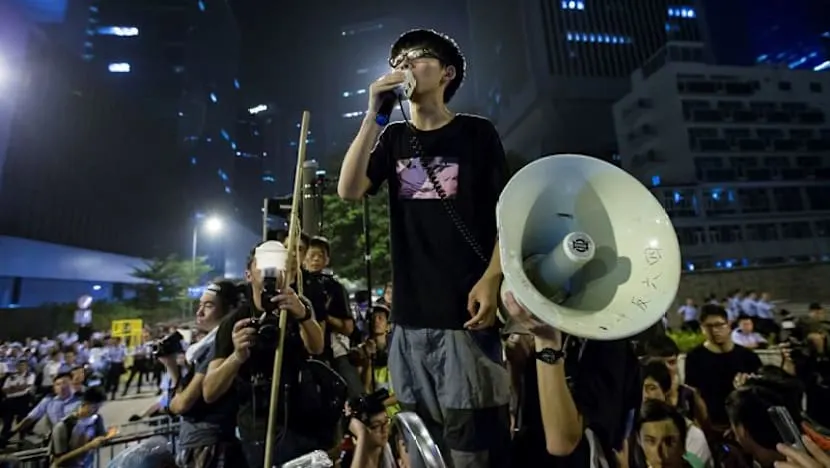
Joshua Wong, a prominent Hong Kong democracy activist who rose to prominence as a teenager, was sentenced to 10 more years in prison after pleading guilty to collusion with foreign entities under the national security law. The sentence extends his imprisonment, which began in 2020, and reflects how the law has reshaped the political activities once pursued by Wong and other pro-democracy campaigners.
Wong began campaigning at 14 and co-founded Scholarism, which helped force the government to shelve a proposed national education scheme. At 17, he became an internationally recognised face of the 2014 Umbrella Movement, whose protests paralysed central streets for 79 days. Prosecutors said he and others sought foreign sanctions or hostile actions against Hong Kong and China between July and November 2020; Wong said he had mistakenly believed his actions were lawful and had not advocated independence or the collapse of China.
In short
- Joshua Wong received 10 more years in prison.
- He pleaded guilty under Hong Kong’s national security law.
- His activism began as a teenager.
Steelman: both sides, in good faith
The strongest fair case each way — we don't pick a winner.
The case for
Supporters of the prosecution may argue that seeking foreign sanctions or other pressure against Hong Kong and China threatened national security, and that the authorities had a duty to enforce the law and deter such conduct. They may also contend that Wong’s prominence and the seriousness of the charge warranted a substantial sentence, even though he said he believed his actions were lawful.
The case against
Critics may argue that appealing to foreign governments for pressure is a form of political advocacy, and that treating it as a grave security offence sharply restricts peaceful dissent. They may see a further decade in prison as disproportionate, particularly given Wong’s statement that he neither advocated independence nor sought to bring down China, and argue that the case illustrates how the law has curtailed Hong Kong’s pro-democracy politics.