World news and discussion on TalkFuse.
Horrific college girl slayings resurface as Gavin Newsom’s death row stunt slammed by DAs
California Governor Gavin Newsom’s decision to commute the sentences of all 548 people on the state’s death row has drawn strong criticism from prosecutors and victim advocacy groups. They argue that the blanket move disregards individual jury verdicts and the families of murder victims, and say it may face legal challenges.
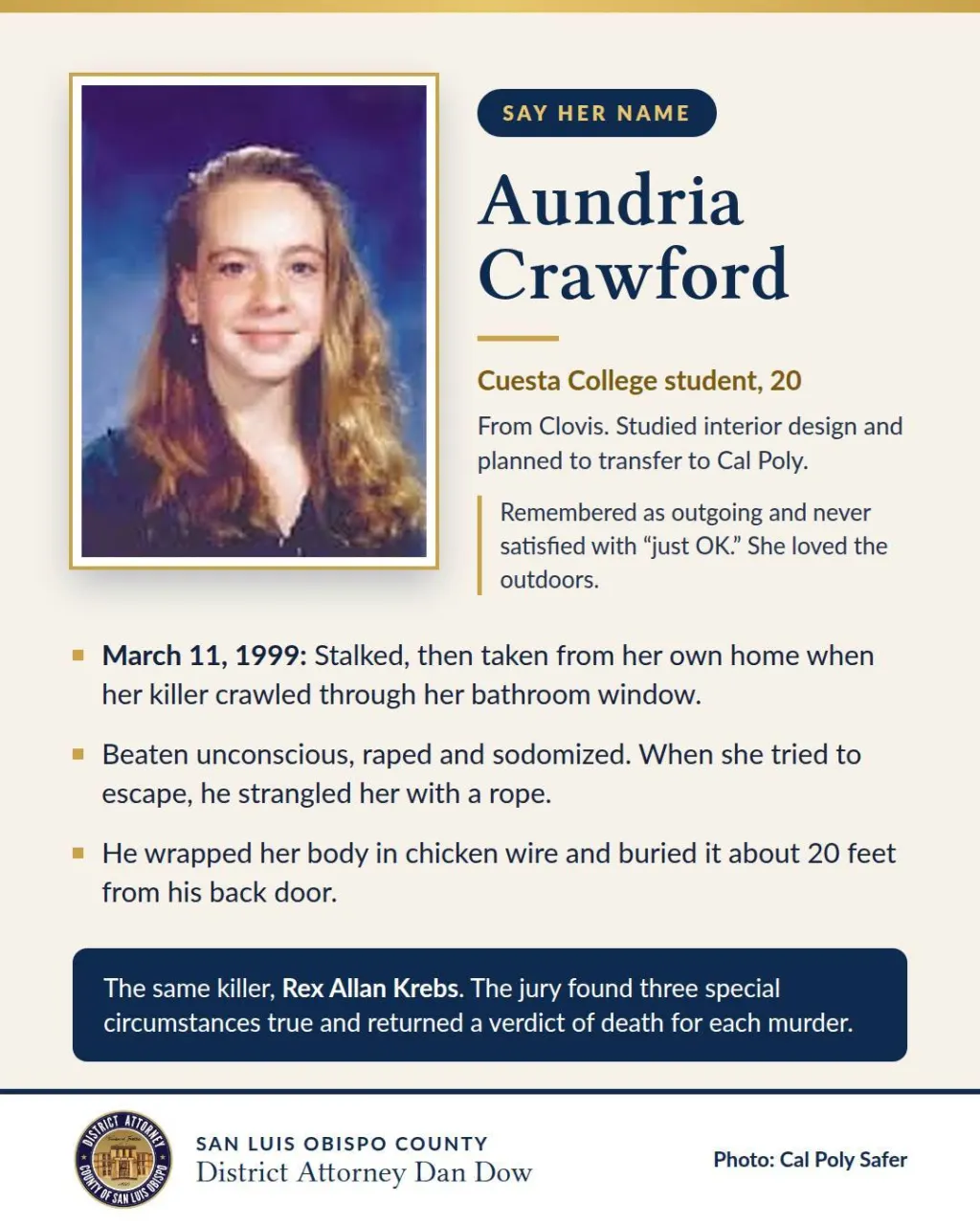
A constitutional rule requires California Supreme Court review of clemency for people convicted of a felony twice; prosecutors say 342 of the 548 death-row inmates fall into that category. San Luis Obispo County’s district attorney cited the late-1990s murders of college students Rachel Newhouse, Aundria Crawford and Kesha Gurke by serial rapist Rex Allan Krebs. A former district attorney leading the Criminal Justice Legal Foundation said the group plans to challenge the decision.
In short
- Newsom commuted sentences for all 548 people on California’s death row.
- Prosecutors say 342 cases require California Supreme Court review.
- A victim advocacy group plans to challenge the decision.
Steelman: both sides, in good faith
The strongest fair case each way — we don't pick a winner.
The case for
A governor may argue that commuting death sentences is a lawful act of clemency and a principled response to concerns about capital punishment, while leaving the convictions and prison terms in place. A blanket decision can also be defended as applying one consistent policy to everyone on death row, rather than making life-or-death distinctions case by case.
The case against
Prosecutors and victims’ advocates can argue that a blanket commutation fails to recognise the different circumstances of individual crimes, jury decisions and families’ losses. They also contend that California’s constitutional requirement for Supreme Court review in cases involving people twice convicted of felonies may apply to hundreds of those affected, making the decision legally vulnerable.
Explained simply
California’s death row holds people convicted of the most serious crimes, with their sentences set by courts after trials and appeals. The governor can grant clemency, including commuting a death sentence to life imprisonment, but state rules require the California Supreme Court to review clemency for people with two prior felony convictions.
Gavin Newsom is California’s governor, and district attorneys prosecute crimes on behalf of the state. Victim advocacy groups and prosecutors say a single decision covering everyone on death row raises questions about individual verdicts and the families affected; a legal group says it plans to challenge the move.