World news and discussion on TalkFuse.
Horrific details revealed about death of famous farmers at friend’s posh California home: suit
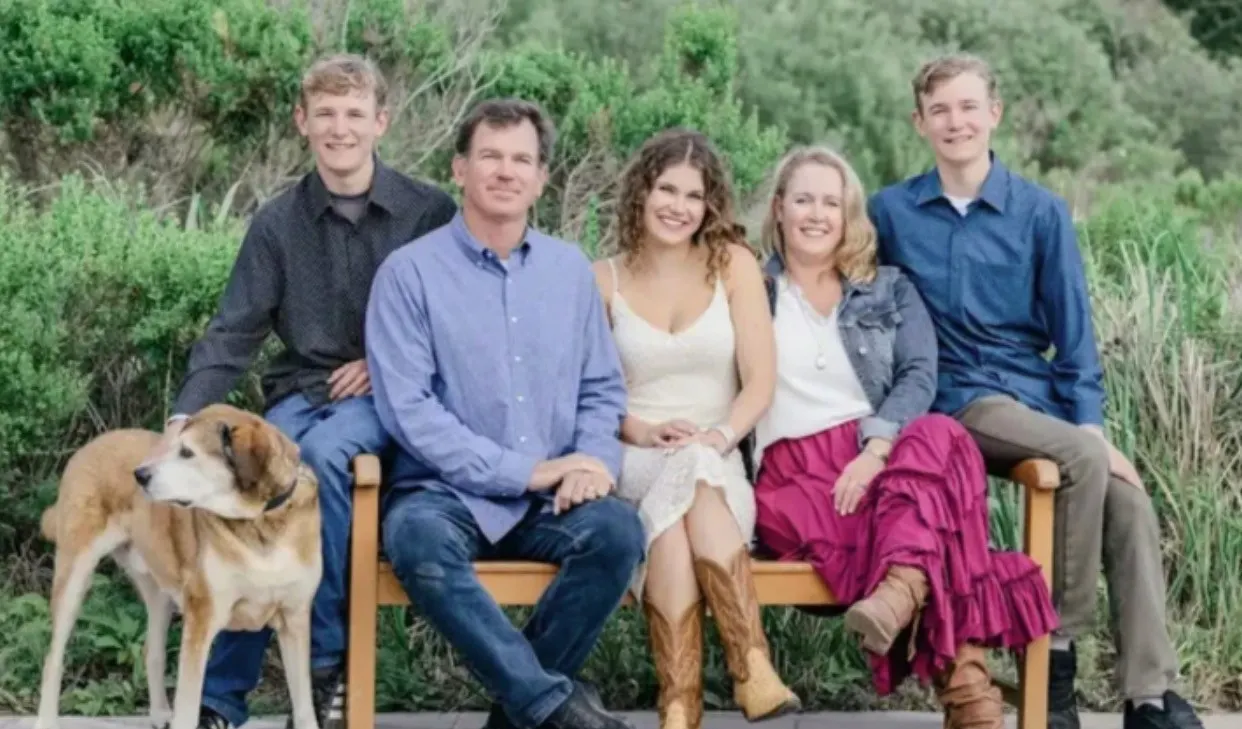
The children of coffee and exotic-fruit farmers John “Jay” and Kristen Ruskey are suing the owners of a Cambria home and water-heater maker Navien, alleging carbon monoxide poisoning caused their parents’ deaths. The case matters because the lawsuit claims a disconnected detector and faulty venting allowed the gas to enter the guest bedroom, while warning signs were not recognised.
The couple stayed at a birthday party with 50 to 60 guests on 7 February and went to bed at about 2am. According to the suit, Jay became seriously ill and Kristen called 911 at 4.34am, but he declined hospital treatment; the couple were found unresponsive the following morning and pronounced dead. The lawsuit says the water heater repeatedly discharged carbon monoxide into the bedroom area and alleges no one tested the air, shut off the heater or ventilated the rooms.
In short
- The Ruskey family is suing over the couple’s carbon monoxide deaths.
- The lawsuit alleges a faulty water-heater vent and disconnected detector.
- Jay called for help hours before the couple were found dead.
Steelman: both sides, in good faith
The strongest fair case each way — we don't pick a winner.
The case for
The children’s case, if supported by evidence, raises serious questions about whether the homeowners and Navien took reasonable care to install, maintain and monitor the water heater and carbon-monoxide alarms. The alleged repeated emissions, faulty venting and failure to test or ventilate could indicate preventable safety failures, and the family is entitled to seek accountability and compensation.
The case against
The allegations remain claims in a lawsuit, not established findings, so the owners and Navien should have a fair chance to contest the account and present technical evidence about the heater, its installation and the events that night. The reported illness and emergency call may also make the circumstances complex; responsibility should be determined from evidence about what each party knew, what warnings were available and whether any alleged defect or omission caused the deaths.