Technology news and discussion on TalkFuse.
Horrified steakhouse customer wrongly named and shamed as a dine and dasher after she used Toast app to pay her bill
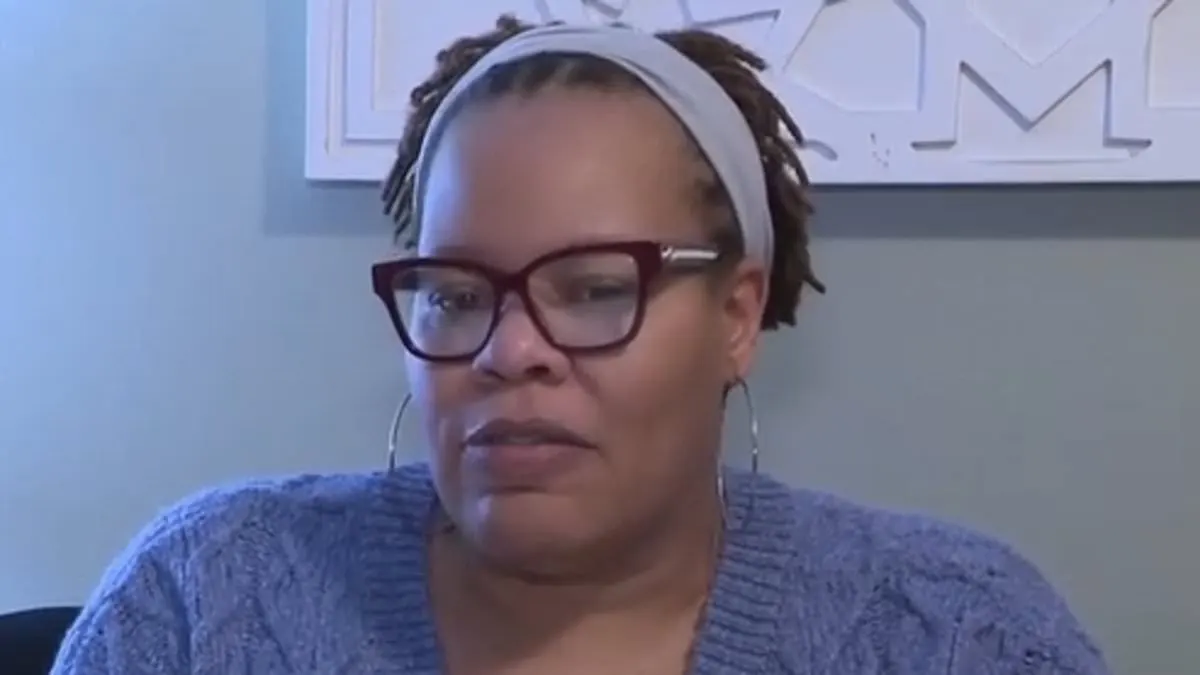
Jenee Almond says she paid her bill at Capers Steakhouse in Detroit using a QR code and the Toast app, but the restaurant later posted her photograph online and accused her of dining without paying. The post drew criticism and left her trying to defend her reputation; she says she had no reason to think the payment had failed.
Almond returned to the restaurant with her receipt, after which the post was removed. She believes a delay in Toast processing the payment caused the dispute, while the owner told FOX 2 Detroit the money arrived about an hour after she left and declined to provide supporting evidence, citing legal concerns. The incident has renewed attention on the harm caused by publicly naming suspected diners before payment issues are checked.
In short
- A Detroit restaurant wrongly accused Jenee Almond of dining without paying.
- She says she paid through Toast and showed the owner her receipt.
- The restaurant removed the post after she challenged the accusation.
Steelman: both sides, in good faith
The strongest fair case each way — we don't pick a winner.
The case for
A restaurant facing an apparent unpaid bill has a legitimate interest in protecting its business and warning others, particularly if staff believe a customer left without settling. If a payment app delays or obscures transactions, sharing a carefully verified account could also alert other businesses to a practical problem.
The case against
Publicly identifying someone as a dine-and-dasher before checking whether a payment is pending risks serious and disproportionate damage to their reputation. A restaurant should first verify the transaction with the payment provider and give the customer a chance to resolve any discrepancy; an unexplained delay does not by itself establish wrongdoing.
Explained simply
Capers Steakhouse is a restaurant in Detroit, where diners can pay by scanning a QR code and using Toast, a digital payment service used by restaurants. A payment may take time to appear in a restaurant’s records, even if a customer has completed the payment process.
Jenee Almond says she paid through Toast and kept a receipt. The restaurant later shared her photograph online and accused her of leaving without paying; she returned with the receipt and the post was taken down. The dispute highlights how payment delays can lead to misunderstandings, and how publicly accusing someone can affect their reputation.