Technology news and discussion on TalkFuse.
Hot fridges, a fake nuclear alert and a $6bn heist: are we in the foothills of a hacking epidemic?
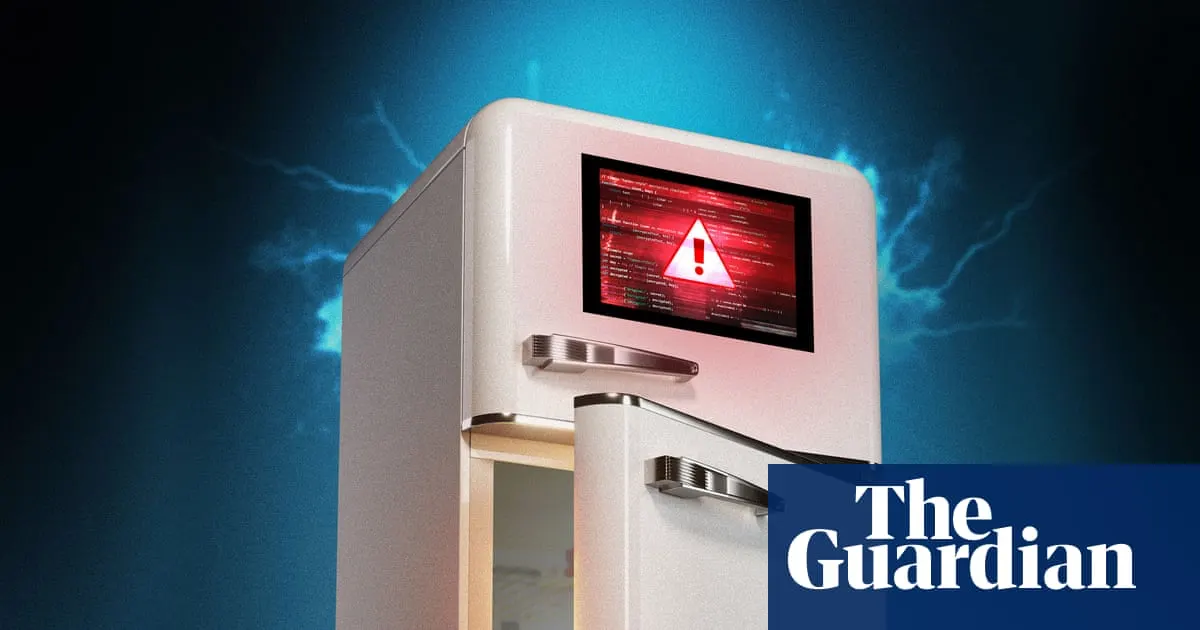
Retail refrigerators and freezers across several European countries were remotely set to defrost, while hackers also stole billions from a cryptocurrency exchange and sent a false nuclear alert in Ukraine. The incidents have raised concerns that cyber-attacks are becoming more frequent and could disrupt essential services.
The fridge temperatures reportedly reached 50C in some shops; London wholesaler Alex Pearce saw a panel reading of 150C and disconnected the units from the internet. Binance was robbed of $6.3bn on 30 October, and Kyiv residents received a fake nuclear strike alert on 1 November. The UK’s National Cyber Security Centre warns that AI may help attackers find weaknesses, although officials said AI was not needed to exploit the fridge systems’ known flaws, including default passwords.
In short
- European shops found their fridges remotely set to defrost.
- Binance lost $6.3bn in a record cryptocurrency heist.
- UK officials warn AI could increase cyber-attack risks.
Steelman: both sides, in good faith
The strongest fair case each way — we don't pick a winner.
The case for
The incidents show how connected systems with weak security can turn a cyber-attack into a threat to public safety, business and trust, even when attackers use familiar techniques. As more essential services rely on networked devices, the growing number of exposed weaknesses and the potential for AI to help attackers find them make stronger security and preparedness prudent.
The case against
A handful of striking incidents does not by itself establish that a hacking epidemic is under way: the cases involve different targets and methods, and the fridge systems were reportedly vulnerable because of known flaws such as default passwords. Treating them as evidence of a broad new wave could overstate the threat; careful reporting should distinguish demonstrated risks from speculation about AI and future attacks.
AI Business Cybersecurity Technology World