World news and discussion on TalkFuse.
Hottest Senate battleground race in the nation explodes as fierce Israel critic is on the cusp of sweeping victory
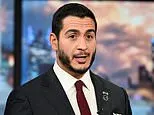
Michigan's Democratic Senate primary is heading into Tuesday's vote as a tight, increasingly bitter contest between progressive insurgent Abdul El-Sayed and House member Haley Stevens, with recent polling putting El-Sayed ahead by double digits after Stevens had earlier led. The race matters well beyond Michigan: Republicans reportedly see El-Sayed as an easier general-election opponent than Stevens, the seat is rated a toss-up by the Cook Political Report following Senator Gary Peters's retirement, and the winner will have an outsized platform after Michigan was awarded one of six early slots in the 2028 presidential primary calendar.
The candidates have clashed sharply over Israel, with El-Sayed branding it a "rogue state" and Stevens accusing him of blaming Jewish Americans for his political struggles; AIPAC's political action committee has reportedly spent more than $30 million against El-Sayed in support of Stevens, its largest outlay in a single race. Stevens holds endorsements from Peters and Governor Gretchen Whitmer, while El-Sayed, a former Detroit and Wayne County health director, is backed by prominent progressives including Bernie Sanders, Elizabeth Warren and Alexandria Ocasio-Cortez. Republican nominee Mike Rogers was reportedly recorded suggesting he would fare better against El-Sayed than Stevens in November.
In short
- El-Sayed leads Stevens in polling ahead of Michigan's Senate primary.
- AIPAC has spent over $30 million backing Stevens against El-Sayed.
- Winner gains influence as Michigan votes early in 2028 primaries.
Steelman: both sides, in good faith
The strongest fair case each way — we don't pick a winner.
The case for
Progressives supporting El-Sayed contend that criticism of Israeli government policies is legitimate political discourse fundamental to democratic debate. They argue that AIPAC's $30 million spending to enforce foreign policy orthodoxy represents problematic lobbying that stifles honest discussion about America's Middle East role and Palestinian rights. El-Sayed's backing from Sanders, Warren and Ocasio-Cortez reflects genuine grassroots support for challenging establishment consensus on foreign policy and pursuing economic justice.
The case against
Those supporting Stevens argue that El-Sayed's language branding Israel a 'rogue state' crosses from policy criticism into inflammatory territory that raises legitimate concerns about how he views the Jewish state and resonates with Jewish American voters. They contend AIPAC is simply an interest group exercising democratic rights like any other, and that Stevens's establishment endorsements from Whitmer and Peters reflect superior electability, mainstream party support and sounder judgment for winning a competitive general election.
Explained simply
Michigan’s Senate seat is open because Democratic Senator Gary Peters is retiring. Voters first choose a party’s candidate in a primary; the winner will then face Republican Mike Rogers in November. The seat is considered competitive, so the choice could affect which party controls the Senate.
The Democratic contest pits Abdul El-Sayed, a former local health director backed by prominent progressives, against Congresswoman Haley Stevens, who has the support of Peters and Governor Gretchen Whitmer. They differ sharply over Israel, and spending by groups supporting Stevens has made the dispute a major feature of the race. Michigan’s early place in the 2028 presidential primary calendar could also bring extra attention to whoever wins.
Americas Art Culture Elections Government Middle East Politics World