World news and discussion on TalkFuse.
House China panel calls for cutting defense contracts over aerospace ties to Beijing’s military
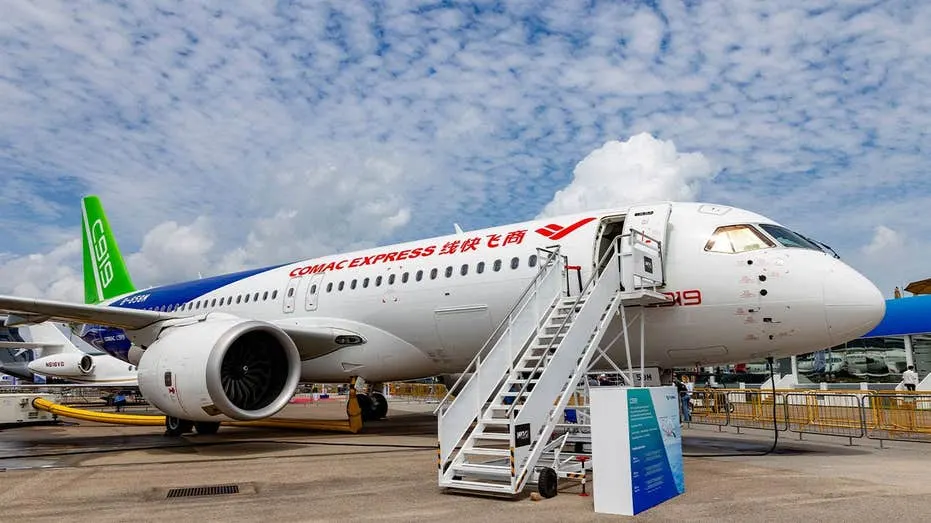
A bipartisan House committee has urged the US to restrict investment in China’s aerospace industry and deny taxpayer-funded defence contracts to companies that help build military capabilities for US adversaries. Its report argues that commercial partnerships transferred technology and expertise to Chinese firms linked to the military, raising concerns about the potential use of civilian aerospace advances by China’s armed forces.
The year-long investigation examined at least six joint ventures involving GE Aerospace, Honeywell Aerospace and Collins Aerospace, as well as Airbus’s continuing partnerships in China. It said GE transferred foundational avionics technology to a venture with an AVIC subsidiary, which is linked to China’s military aircraft programme. The companies said their partnerships supported civilian aviation and complied with US export controls; the report did not establish that the arrangements it examined broke the law. The committee also called on the Federal Aviation Administration not to certify Chinese-made aircraft, which the agency says it has not done.
In short
- House panel urges limits on aerospace investment and defence funding.
- Report examined at least six US-China joint ventures.
- Companies said partnerships complied with export controls.
Steelman: both sides, in good faith
The strongest fair case each way — we don't pick a winner.
The case for
The committee’s position is that aerospace technology can serve both civilian and military purposes, so partnerships that build Chinese firms’ expertise may strengthen capabilities used by China’s armed forces. Restricting investment and defence contracts could protect sensitive know-how and ensure public funds do not benefit companies whose overseas activities may aid US adversaries, even where no law has been broken.
The case against
The companies’ case is that their partnerships support civilian aviation, comply with US export controls and have not been shown to violate the law. Broad restrictions on investment, contracts or aircraft certification could penalise lawful commercial activity without proof of military transfer, while weakening international business ties and limiting competition in civilian aviation.
Explained simply
China’s aerospace industry makes aircraft and the technology used in them. Some Chinese aerospace companies are linked to the country’s armed forces, so technology developed for civilian aviation may also have potential military uses.
US aerospace firms, including GE Aerospace, Honeywell Aerospace and Collins Aerospace, have worked with Chinese companies through joint ventures, while Airbus also has partnerships in China. The House committee examined whether these arrangements shared technology or expertise with firms connected to China’s military aircraft programme; the companies say their work supported civilian aviation and followed US export controls.
The dispute matters because the US government buys defence equipment with public money and sets rules for exports and aircraft certification. The committee’s proposals concern future contracts, investment and certification, and its report did not establish that the partnerships it examined broke the law.