Politics news and discussion on TalkFuse.
House GOP Members Didn’t Bother Showing Up For Work
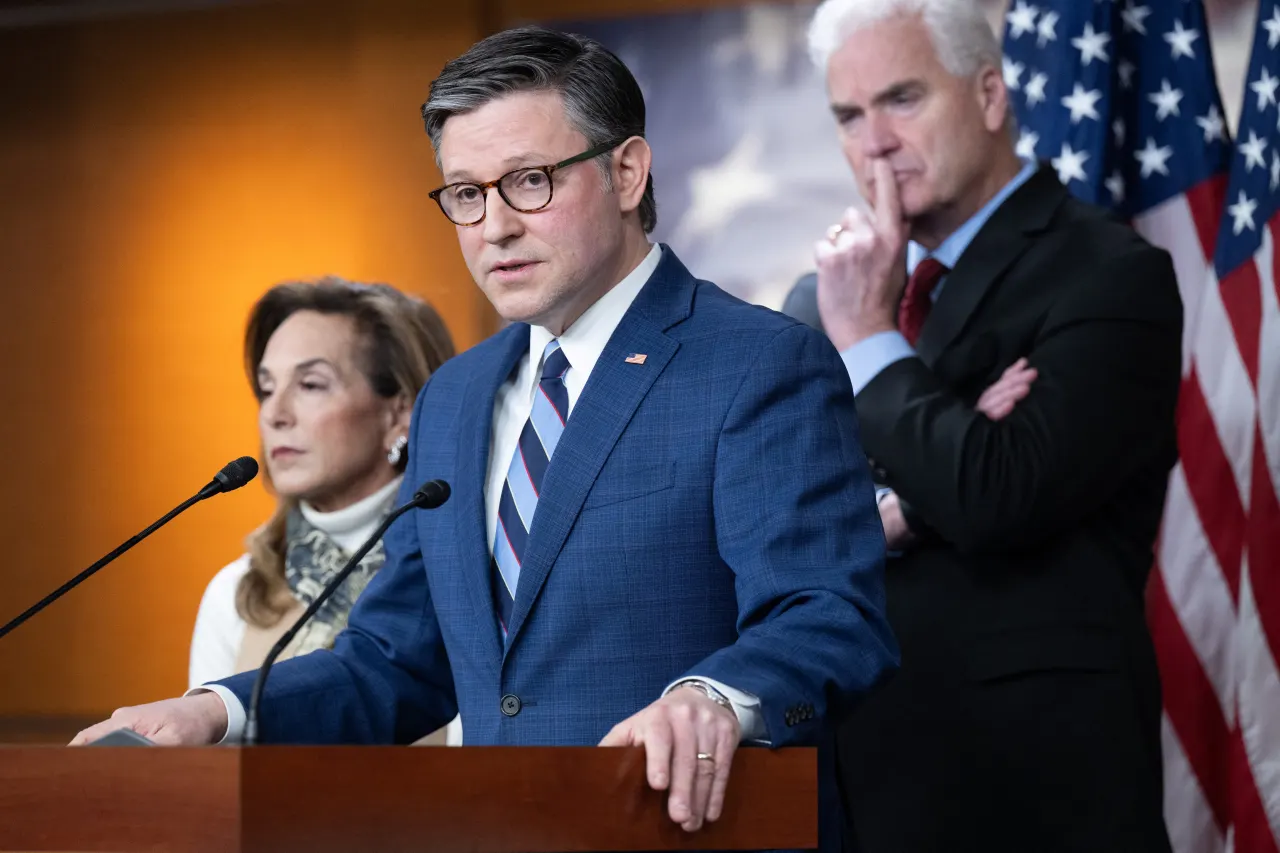
House Speaker Mike Johnson rebuked Republican lawmakers who missed votes as the party enters its final weeks with a House majority. The absences forced the chamber to cancel scheduled votes, complicating efforts to advance legislation before the 119th Congress ends.
Fourteen Republicans were absent on Friday, including Lauren Boebert and Max Miller; 11 of the 14 are not expected to return in January, according to Politico. Johnson said Republicans had 44 days left to work on priorities including government funding and the National Defense Authorization Act. Thomas Massie criticised absent colleagues, saying members still received $14,500 a month. The House began its Thanksgiving recess early with several major measures unresolved.
In short
- Fourteen Republicans missed votes, forcing the House to cancel them.
- Johnson urged members to attend during the final 44 days.
- Funding and defence legislation remain unresolved.
Steelman: both sides, in good faith
The strongest fair case each way — we don't pick a winner.
The case for
With a narrow majority and only weeks left, Republican members have a responsibility to attend votes so the House can carry out its work, especially on funding and defence legislation. Absences that cancel votes can impose costs on colleagues and leave constituents’ business unresolved; members’ pay and public duties continue even when they are nearing the end of their terms.
The case against
Members may have legitimate reasons to miss a sitting, and attendance alone does not establish that they are neglecting their duties. With several absent lawmakers not returning in January and Thanksgiving recess approaching, some may judge that limited floor time is better used for constituency work, transition duties or other pressing responsibilities, particularly if the scheduled votes are unlikely to produce agreement.
Explained simply
The US House of Representatives is one of the two chambers of Congress, where elected members debate and vote on federal laws and spending. The party with more seats usually has an advantage in setting the agenda, but it still needs enough members present to conduct votes.
Republicans hold the House majority, and Mike Johnson is the Speaker, responsible for leading the chamber and managing its business. Members of Congress serve two-year terms; after an election, the outgoing House continues working until the next Congress begins in January.
Among the unresolved work is funding the federal government and the annual National Defense Authorization Act, which sets policy for the armed forces. Disagreements or delays can affect government operations and the timing of defence decisions.