House Judiciary report accuses NYC DAs of downgrading charges to protect illegal immigrants from deportation
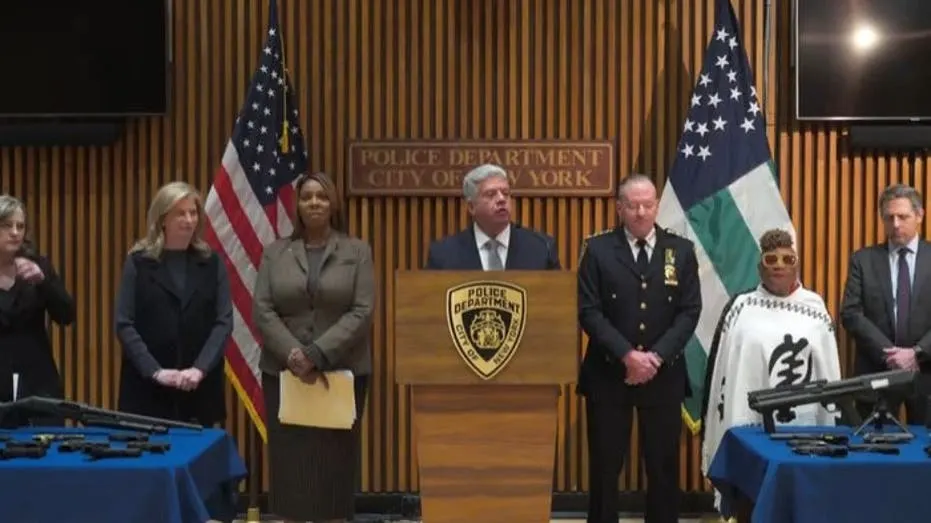
A 22-page House Judiciary Committee report accuses several New York City district attorneys’ offices of reducing or tailoring charges and plea deals to limit deportation consequences for noncitizens. The claims prompted questions at a Manhattan press conference attended by Attorney General Letitia James and district attorneys Melinda Katz and Eric Gonzalez; the allegations could raise questions about how local prosecution decisions interact with federal immigration law.
The report says Katz’s office has an immigration specialist who helps negotiate “immigration-safe” pleas, while a 2022 memo from Manhattan District Attorney Alvin Bragg allegedly advised seeking outcomes that avoid deportation for misdemeanours and some felonies. It also alleges that the Bronx office trained prosecutors in immigration-conscious plea bargaining and that some offices omitted details from conviction records. Katz’s spokesperson denied leniency in weapons cases, saying defendants charged with illegal firearm possession face the highest possible charge; the article says other district attorneys’ offices were contacted for comment.
In short
- A congressional report alleges NYC prosecutors tailored some charges and pleas to limit deportation.
- It cites practices in Manhattan, Queens and the Bronx.
- Queens’ DA’s office denies leniency in illegal firearm cases.
Steelman: both sides, in good faith
The strongest fair case each way — we don't pick a winner.
The case for
Prosecutors can argue that tailoring a plea to avoid disproportionate immigration consequences is part of fair, individualised justice, especially when the original charge overstates a person’s conduct or a conviction would trigger removal from family and community. They may also see immigration-aware advice as a way to secure a reliable plea while retaining a proportionate outcome, without changing the requirement to pursue serious offences appropriately.
The case against
Critics can argue that reducing or shaping charges to shield someone from deportation risks giving noncitizens different treatment from other defendants and may weaken consistent enforcement of criminal law. They may also contend that immigration consequences are set by federal law, so local prosecutors should not obscure conviction records or use plea bargaining to frustrate those rules.
Explained simply
In the United States, district attorneys lead local prosecutions, deciding what charges to bring and what plea deals to offer. A plea deal lets a defendant admit to an offence, often in return for a different charge or sentence, instead of going to trial.
Immigration consequences are handled under federal law. Some criminal convictions can lead to a non-citizen being deported, so prosecutors may consider those consequences when discussing charges or pleas; immigration officials and courts apply the law to each case.
The New York City offices named in the report are led by district attorneys Alvin Bragg, Melinda Katz and Eric Gonzalez, among others. The issue concerns how local decisions in criminal cases may affect federal immigration proceedings, and the boundaries between those responsibilities.